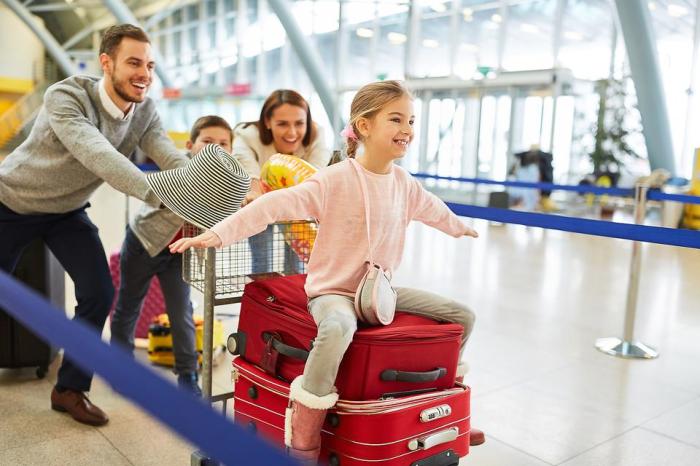
Traveling with toddlers: The very phrase evokes a mixture of excitement and apprehension. Picture this: the thrill of exploring new places juxtaposed with the potential for tantrums, meltdowns, and logistical nightmares. This guide navigates the complexities of traveling with young children, offering practical advice and strategies to transform a potentially stressful experience into a memorable family adventure.
We’ll delve into planning, transportation, accommodation, activities, and budget-friendly tips to make your journey smooth and enjoyable for everyone.
From meticulously crafted packing lists to managing inevitable meltdowns, we cover all aspects of traveling with toddlers. We compare different modes of transportation, weighing their pros and cons for families, and offer insights into finding family-friendly accommodations that cater to the specific needs of young children. We also explore ways to keep little ones entertained during long journeys and suggest age-appropriate activities for various destinations, ensuring that your vacation is both fun and enriching for your toddler.
Planning a Trip with Toddlers
Traveling with toddlers presents unique challenges, but with careful planning and preparation, it can be a rewarding family experience. This section provides practical advice and strategies for making your trip smoother and more enjoyable for everyone involved. Remember, flexibility is key when traveling with young children.
Packing List for Toddler Air, Car, and Train Travel
A well-organized packing list is crucial for stress-free travel. This list categorizes essential items for different modes of transport, ensuring you have everything you need readily available.
- Diapers/Wipes: Pack more than you think you’ll need, especially for air travel where delays can occur. Consider using travel-sized containers to save space.
- Changes of Clothes: Pack at least three complete outfits per day, accounting for spills, accidents, and unexpected weather changes. Include extra socks and underwear.
- Food and Drinks: Pack familiar snacks and drinks to avoid meltdowns due to hunger or thirst. Consider pouches, small containers, and a sippy cup.
- Entertainment: Pack a variety of quiet and engaging activities, such as books, small toys, crayons, and coloring books. Consider age-appropriate electronic devices loaded with games and shows.
- Comfort Items: Bring a favorite blanket, stuffed animal, or pacifier to provide a sense of security and comfort during travel.
- First-Aid Kit: Include essential medications, bandages, antiseptic wipes, and any other necessary items specific to your toddler’s needs.
- Travel Documents: Ensure you have all necessary travel documents, including passports, tickets, and any required health information readily accessible.
- Car Seat/Stroller (if applicable): If traveling by car or train, bring a car seat or stroller for your toddler’s safety and comfort.
- Sunscreen and Hat (if applicable): Protect your toddler from the sun, especially during outdoor activities.
Sample Daily Itinerary for a Family Trip with a Toddler, Traveling with toddlers
A structured itinerary can help manage expectations and create a predictable routine for your toddler. However, it’s essential to build in flexibility to accommodate unexpected delays or changes in your toddler’s mood.
| Time | Activity | Notes |
|---|---|---|
| 7:00 AM | Wake up, breakfast | Prepare a familiar breakfast to start the day calmly. |
| 8:00 AM | Morning activity (e.g., park visit, museum) | Choose an activity appropriate for your toddler’s age and interests. |
| 10:00 AM | Downtime/Nap | Allow for flexible downtime, including naps, to avoid overstimulation. |
| 12:00 PM | Lunch | Pack a lunch or find a child-friendly restaurant. |
| 1:00 PM | Afternoon activity (e.g., shopping, exploring) | Plan a less strenuous activity for the afternoon. |
| 3:00 PM | Downtime/Quiet Play | Provide quiet activities to allow for relaxation and rest. |
| 5:00 PM | Dinner | Enjoy a family dinner, potentially at your accommodation. |
| 7:00 PM | Bedtime Routine | Follow your toddler’s usual bedtime routine to promote a good night’s sleep. |
Managing Toddler Meltdowns During Travel
Toddler meltdowns are common, especially during travel. Having a proactive strategy in place can help mitigate the impact of these episodes.
- Identify Triggers: Recognize situations that commonly trigger meltdowns (e.g., hunger, tiredness, overstimulation) and plan accordingly.
- Positive Reinforcement: Reward good behavior with praise and small treats to encourage cooperation.
- Distraction Techniques: Use songs, games, or stories to redirect your toddler’s attention away from the trigger.
- Time-Outs (if necessary): If a meltdown occurs, find a quiet space where your toddler can calm down. Avoid punishment; focus on soothing and reassurance.
- Empathy and Patience: Remember that toddlers are still learning to regulate their emotions. Approach meltdowns with empathy and understanding.
Keeping Toddlers Entertained During Long Journeys
Long journeys can be challenging for toddlers. A well-planned entertainment strategy can make the experience more enjoyable.
- Interactive Books: Choose books with flaps, textures, or sounds to keep your toddler engaged.
- Audiobooks and Music: Play age-appropriate audiobooks or music to create a calming atmosphere.
- Simple Games: Play games like “I Spy,” “Simon Says,” or sing songs together.
- Small Toys and Activities: Pack a variety of small, engaging toys that can be easily stored and accessed.
- Electronic Devices: Load tablets or smartphones with age-appropriate apps, games, and videos.
Transportation with Toddlers
Traveling with toddlers presents unique logistical challenges, significantly influenced by the chosen mode of transportation. The best option depends heavily on the distance, your toddler’s temperament, and your budget. Each method – flying, driving, and train travel – offers distinct advantages and disadvantages. Careful consideration of these factors will help ensure a smoother journey for both you and your little one.
Comparing Transportation Methods for Toddlers
Flying, driving, and train travel each present a different set of considerations when traveling with toddlers. Air travel offers speed but can be stressful for both parents and children due to confinement and potential disruptions. Driving provides more flexibility and control but requires significantly more time. Train travel offers a compromise, providing more space than a plane and less driving time than a car, though schedules may be less flexible.
| Mode of Transportation | Pros | Cons |
|---|---|---|
| Flying | Fastest option for long distances. | Confined space, potential for delays, ear pressure issues for toddlers. Can be stressful for both parent and child. |
| Driving | Most flexibility, ability to stop frequently for breaks and diaper changes. More space for luggage and toddler gear. | Time-consuming, can be tiring for everyone involved, requires careful planning for stops and rest. |
| Train | More space than a plane, often includes amenities like restrooms and snack areas. Potentially less stressful than flying. | Can be slower than flying, less flexibility in scheduling, may not be available in all areas. |
Choosing a Car Seat for Long Road Trips
Selecting the right car seat is crucial for safety and comfort during long drives. Consider features like ease of installation, adjustability for growing toddlers, and comfort features such as extra padding and cup holders. A convertible car seat that can adapt as your child grows is a cost-effective and versatile option. Prioritize car seats with high safety ratings from organizations like the IIHS (Insurance Institute for Highway Safety) and NHTSA (National Highway Traffic Safety Administration).
Ensure the car seat is properly installed and your toddler is securely fastened before starting your journey.
Managing Toddler Behavior on a Plane
Air travel with toddlers requires proactive planning to mitigate potential disruptions. Pack plenty of engaging activities, including books, quiet toys, and snacks. Familiar comfort items like a favorite blanket or stuffed animal can help alleviate anxiety. Consider scheduling the flight around your toddler’s usual nap or bedtime to maximize sleep time. Be prepared for potential meltdowns and have a plan for managing them discreetly.
Engage your toddler in simple games or songs to keep them occupied. Remember to be patient and understanding; other passengers are generally empathetic to the challenges of traveling with young children.
Boarding a Train with a Stroller and Toddler Gear
Most train stations provide assistance for passengers with strollers and other bulky items. Familiarize yourself with the station’s accessibility features and any assistance programs beforehand. Consider using a lightweight stroller that is easy to fold and store. Pack all necessary items in a manageable number of bags to simplify the boarding process. Many train cars have designated areas for strollers and larger luggage.
Be prepared to navigate platforms and stairs, potentially needing assistance from station staff. Courtesy and patience are essential when navigating crowded train platforms and cars.
Accommodation for Families with Toddlers: Traveling With Toddlers
Choosing the right accommodation is crucial for a smooth and enjoyable family vacation. The comfort and convenience of your lodging directly impact your overall experience, especially when traveling with young children. Consider factors like space, amenities, and location to ensure a relaxing trip for both parents and toddlers.
Comparing Accommodation Options for Families with Toddlers
Selecting the ideal accommodation involves weighing the pros and cons of different options. The following table compares hotels and vacation rentals, focusing on features beneficial for families with toddlers.
| Feature | Hotels | Vacation Rentals | Notes |
|---|---|---|---|
| Cribs/Cots | Often available upon request, sometimes with a fee. | Usually present or easily rented. | Always confirm availability in advance. |
| High Chairs | May be available in restaurants or upon request, often with a fee. | Usually provided. | Check availability and condition before booking. |
| Play Areas | Some hotels offer play areas or kids’ clubs, but not all. | Often more space for children to play, both indoors and outdoors. | Consider the proximity to playgrounds or parks. |
| Kitchen Facilities | Generally not available, except in suites. | Fully equipped kitchens are common. | Allows for preparing meals for toddlers. |
| Space | Rooms can be compact. | Typically offers more living space. | Important for comfortable family living. |
Hotels versus Vacation Rentals: Benefits and Drawbacks for Toddlers
Hotels offer convenience with readily available services like housekeeping and room service. However, space may be limited, and amenities geared towards toddlers are not always guaranteed. Vacation rentals provide more space and often include kitchens, allowing for greater flexibility in meal preparation and potentially reducing dining costs. However, they may lack the services offered by hotels and require more self-sufficiency.
The best choice depends on your family’s preferences and travel style.
Finding Family-Friendly Hotels with Toddler Amenities
When searching for family-friendly hotels, look for those explicitly advertising amenities like cribs, high chairs, kids’ menus, and play areas. Websites like TripAdvisor and Booking.com allow filtering by these features. Reading reviews from other families with young children can also provide valuable insights into the suitability of a particular hotel.
Essential Items to Request from Accommodation Providers
Before your trip, it’s advisable to contact your hotel or vacation rental to request essential items for your toddler. This proactive approach ensures you have everything you need upon arrival.A list of essential items to request includes: a crib or cot, a high chair, a changing mat, and potentially a baby bathtub or a pack-n-play. Consider also requesting blackout curtains for naptime if your toddler is sensitive to light.
Ultimately, traveling with toddlers is a rewarding experience that strengthens family bonds and creates lasting memories. While challenges are inevitable, careful planning and a flexible approach can significantly enhance the journey. By implementing the strategies and tips Artikeld in this guide, families can confidently embark on their adventures, transforming potential travel anxieties into joyful moments of connection and exploration. Remember to prioritize rest, embrace spontaneity, and most importantly, enjoy the precious time spent together as a family.
FAQ Resource
What are some essential first-aid items to pack for a toddler?
Pack bandages, antiseptic wipes, pain relievers (age-appropriate), anti-diarrheal medication (consult your pediatrician), and any prescription medications your child needs.
How can I keep my toddler entertained on a long flight?
Bring a variety of engaging activities, such as books, crayons, small toys, and tablets loaded with age-appropriate apps and movies. Plan for downtime and consider bringing a favorite comfort item.
What if my toddler gets sick during the trip?
Have a plan in place. Know the location of nearby medical facilities and pack necessary medications. Contact your travel insurance provider if necessary.
How do I handle a toddler meltdown during travel?
Remain calm, find a quiet space if possible, offer comfort and reassurance, and address the underlying cause of the meltdown if you can. Sometimes, a small snack or drink can help.