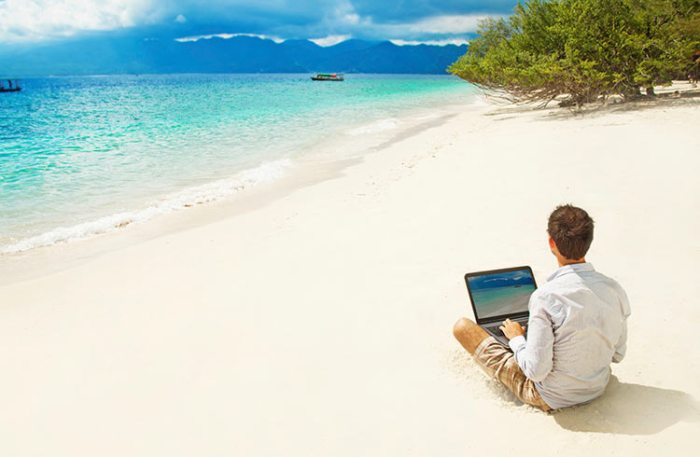
Travel tips for digital nomads: Embark on a journey of seamless remote work and unforgettable adventures. This guide unveils essential strategies for planning, maintaining connectivity, optimizing workspaces, prioritizing well-being, and securing budget-friendly accommodations, transforming your digital nomad experience from a daunting prospect into a thrilling reality. We’ll cover everything from finding the best flight deals to navigating unique accommodation options, ensuring your journey is both productive and enjoyable.
From meticulously crafted itineraries that balance work and leisure to expert advice on navigating international travel logistics, this comprehensive resource equips you with the knowledge and confidence to embrace the exciting lifestyle of a digital nomad. We explore diverse travel options, from train journeys across Europe to the allure of cruise ship workspaces and the freedom of road trips, helping you discover the perfect blend of exploration and productivity.
Essential Planning for Digital Nomad Travel
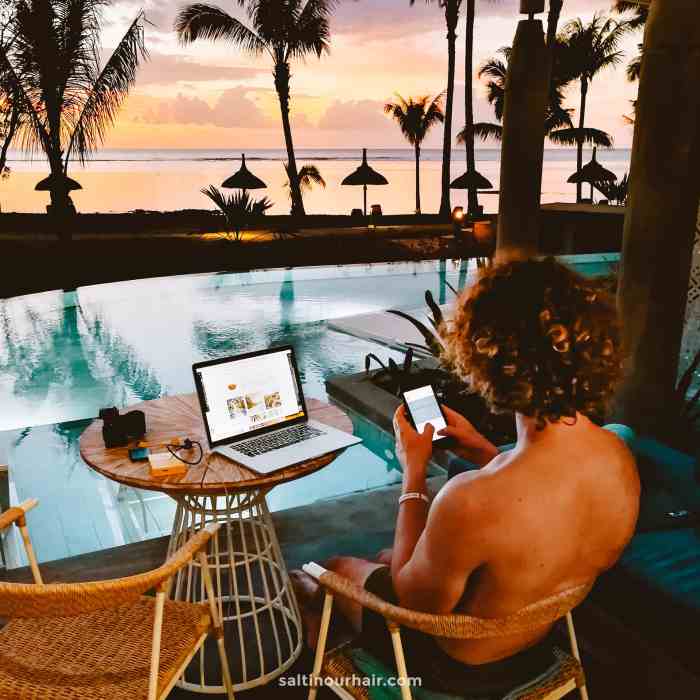
Embarking on a digital nomad journey requires meticulous planning to ensure a smooth and productive experience. Careful consideration of various factors, from visa regulations to financial management, is crucial for a successful trip. This section details key aspects of planning your digital nomad adventure.
Visa Requirements and Travel Documents
Before setting off, thoroughly research visa requirements for each country you plan to visit. Visa regulations vary significantly depending on your nationality and the length of your stay. Some countries offer visa-free entry for specific durations, while others require visas obtained in advance. It’s essential to check the official government websites of your destination countries well in advance of your trip to avoid unexpected delays or complications.
Make copies of your passport, visa (if required), and other important travel documents, storing them separately from the originals. Consider scanning these documents and saving them to cloud storage for easy access in case of loss or theft.
Health Insurance and Vaccinations
Comprehensive travel health insurance is paramount for digital nomads. Policies should cover medical emergencies, evacuations, and potential repatriation. Ensure your policy adequately covers the duration and destinations of your trip. Consult your doctor regarding necessary vaccinations and recommended preventative measures for the regions you’ll be visiting. Depending on your itinerary, you might require vaccinations against diseases like typhoid, hepatitis A and B, or others.
Pack a well-stocked first-aid kit containing essential medications and any prescribed drugs.
Sample One-Month Digital Nomad Itinerary (Bali, Indonesia)
This sample itinerary balances work and leisure, showcasing a typical month for a digital nomad in Bali. Adjust it to your specific needs and preferences.
| Day(s) | Activity | Location | Notes |
|---|---|---|---|
| 1-10 | Work & Settle In | Seminyak | Find a coworking space, explore the neighborhood. |
| 11-15 | Ubud exploration & Work | Ubud | Visit rice paddies, temples, yoga classes, remote work. |
| 16-20 | Beach Relaxation & Work | Canggu | Enjoy the beach, surfing, cafes with wifi. |
| 21-25 | Work & Cultural Immersion | Nusa Lembongan | Island hopping, snorkeling, diving, work from a cafe. |
| 26-30 | Work & Departure Prep | Seminyak | Final work tasks, souvenir shopping, packing. |
Managing Finances While Traveling
Effective financial management is crucial for long-term digital nomad success. Create a detailed budget outlining your anticipated monthly expenses, including accommodation, food, transportation, work-related costs (internet, coworking spaces), and entertainment. Track your spending diligently to identify areas for potential savings. Utilize budgeting apps or spreadsheets to monitor your income and expenses. Consider opening a multi-currency account to minimize transaction fees and exchange rate fluctuations.
Diversify your income streams if possible to mitigate financial risks.
Cost of Living Comparison
| City | Monthly Rent (USD) | Groceries (USD) | Transportation (USD) |
|---|---|---|---|
| Chiang Mai, Thailand | 300-800 | 150-300 | 50-100 |
| Medellin, Colombia | 400-1000 | 200-400 | 75-150 |
| Lisbon, Portugal | 700-1500 | 300-600 | 100-200 |
Finding and Maintaining Reliable Internet Access
Maintaining consistent internet access is paramount for digital nomads. Without it, work grinds to a halt, communication becomes difficult, and the freedom that characterizes this lifestyle is significantly hampered. This section will explore strategies for securing reliable internet connectivity wherever your travels may take you.Finding reliable Wi-Fi hotspots can be a challenge, but with a little planning and resourcefulness, it’s manageable.
The availability and quality of public Wi-Fi vary dramatically depending on location, from bustling city centers to remote villages.
Reliable Wi-Fi Hotspot Strategies
Effective Wi-Fi hotspot location relies on a combination of pre-trip research and on-the-ground adaptability. Before arriving in a new city or region, investigate areas known for strong Wi-Fi coverage. Coffee shops, co-working spaces, libraries, and hotels often offer free or paid Wi-Fi. Websites and apps dedicated to reviewing Wi-Fi hotspots can be invaluable, providing user ratings and feedback on speed and reliability.
Upon arrival, consider exploring local cafes or community centers – these often offer a more relaxed work environment than busy hotels. Always prioritize locations with multiple reviews indicating strong and consistent connectivity.
Portable Wi-Fi Routers versus Local SIM Cards
The choice between a portable Wi-Fi router and a local SIM card depends largely on individual needs and travel style.
- Portable Wi-Fi Routers: These devices connect to a local network (e.g., hotel Wi-Fi or a purchased data plan) and create a personal Wi-Fi hotspot. Pros include the ability to connect multiple devices simultaneously and the potential for greater security compared to public Wi-Fi. Cons include the added cost of the router itself and the need to ensure sufficient battery life.
For example, a family of digital nomads might find a portable router more convenient than multiple SIM cards.
- Local SIM Cards: Purchasing a local SIM card allows you to access mobile data directly on your devices. Pros include generally lower costs per gigabyte and better coverage in areas with weak Wi-Fi. Cons include potential for data roaming charges if not carefully managed and the need to unlock your phone or use a dual-SIM device. A solo traveler might find a local SIM card the more cost-effective option.
Troubleshooting Internet Connectivity Issues
Even with careful planning, internet connectivity problems can arise. Troubleshooting involves a systematic approach. Begin by checking the obvious: is your device connected to the Wi-Fi network? Is the Wi-Fi network actually working? Try restarting your device and your router (if applicable).
If using a SIM card, ensure your data plan is active and that you have sufficient credit. If problems persist, contact your internet service provider or the Wi-Fi hotspot owner for assistance. Consider checking for software updates on your devices as outdated software can sometimes interfere with connectivity.
Apps and Tools for Staying Connected, Travel tips for digital nomads
Several apps and tools can greatly assist digital nomads in maintaining connectivity.
- Wi-Fi Map: This app provides a crowdsourced database of Wi-Fi hotspots worldwide, including user reviews on speed and reliability.
- Speedtest by Ookla: This app allows you to measure your internet speed, helping you identify areas with weak connectivity.
- VPN Services: A Virtual Private Network (VPN) encrypts your internet traffic, protecting your data on public Wi-Fi networks.
Optimizing Your Workspace on the Go
The digital nomad lifestyle offers unparalleled freedom, but maintaining a productive workspace requires careful planning and adaptation. Creating an ergonomic and efficient workspace, regardless of your location, is crucial for both productivity and well-being. This section will explore strategies for optimizing your workspace while traveling, focusing on ergonomic considerations, workspace options, and productivity techniques.
An ideal workspace for a digital nomad prioritizes ergonomics, portability, and adaptability. Ergonomics focuses on minimizing physical strain during prolonged periods of sitting or working on a laptop. This means investing in a comfortable and supportive chair, a properly positioned laptop or external monitor, and a well-lit workspace. Portability is key, as you’ll be moving frequently. A lightweight laptop, a compact external keyboard and mouse, and a portable monitor are all valuable investments.
Adaptability ensures you can comfortably work in diverse settings, from coffee shops to co-working spaces to hotel rooms.
Types of Co-working Spaces and Their Characteristics
Co-working spaces offer a valuable alternative to working from cafes or hotels. They provide a dedicated workspace, reliable internet, and often, a sense of community. Different types of co-working spaces cater to various needs and budgets.
Several co-working space models exist, each with unique advantages and disadvantages. For example, some spaces offer hot desks, providing flexible, short-term access to a workspace, ideal for those with unpredictable schedules. Dedicated desks offer more permanence and often include additional storage space, suited for longer stays. Private offices provide the most privacy and are best for individuals requiring a quiet, focused environment, though they usually come with a higher price tag.
Finally, some co-working spaces offer specialized services like meeting rooms or event spaces, valuable for those collaborating with others or hosting virtual meetings.
Strategies for Maintaining Productivity and Focus in Diverse Environments
Working remotely presents unique challenges to focus and productivity. Distractions abound, whether it’s noisy cafes, bustling hotel lobbies, or even the temptation of local attractions. Effective strategies for staying productive include establishing a consistent work schedule, defining clear boundaries between work and leisure, utilizing productivity techniques such as the Pomodoro Technique, and minimizing distractions by using noise-canceling headphones or finding quieter workspaces.
Implementing strategies to maintain focus in varied environments is essential for digital nomads. For example, the Pomodoro Technique, which involves working in focused bursts with short breaks, can be highly effective in managing attention spans. Utilizing noise-canceling headphones can significantly reduce environmental distractions, allowing for deeper concentration. Scheduling dedicated work hours and sticking to them helps maintain a routine, separating work time from leisure activities.
Setting Up a Secure and Efficient Remote Workspace: A Step-by-Step Guide
Establishing a secure and efficient remote workspace is crucial for digital nomads. This involves several key steps to ensure both productivity and data security.
- Choose a Reliable Internet Connection: Secure a consistent and high-speed internet connection through a local provider or a mobile hotspot. Consider data limits and potential costs.
- Invest in Essential Equipment: Acquire a lightweight and powerful laptop, a comfortable ergonomic keyboard and mouse, and a portable monitor if needed. Consider a backup power source.
- Establish a Secure Network: Utilize a Virtual Private Network (VPN) to encrypt your internet connection and protect your data, especially when using public Wi-Fi.
- Implement Strong Password Practices: Use unique and strong passwords for all your accounts, and consider a password manager to help you manage them.
- Regularly Update Software: Keep your operating system and applications updated to patch security vulnerabilities.
- Back Up Your Data: Regularly back up your important files to the cloud or an external hard drive to prevent data loss.
- Maintain a Clean and Organized Workspace: A clutter-free workspace promotes focus and efficiency.
Mastering the art of digital nomad travel is a journey of continuous learning and adaptation. By embracing the tips and strategies Artikeld in this guide, you can confidently navigate the challenges and fully immerse yourself in the rewards of this increasingly popular lifestyle. Remember, the key is finding the right balance between work and exploration, ensuring both productivity and unforgettable experiences.
So, pack your bags, embrace the adventure, and embark on your digital nomad journey with confidence and excitement.
Essential FAQs: Travel Tips For Digital Nomads
How can I stay safe as a digital nomad?
Prioritize personal safety by sharing your itinerary with trusted contacts, being aware of your surroundings, and using reputable transportation and accommodation services. Invest in travel insurance and familiarize yourself with local laws and customs.
What are some common visa issues for digital nomads?
Visa requirements vary significantly by country. Research visa regulations well in advance of your trip, and be prepared to demonstrate sufficient funds and a clear purpose for your stay. Consider consulting an immigration lawyer if needed.
How do I manage loneliness while traveling solo as a digital nomad?
Engage with local communities, join co-working spaces, utilize online forums and social groups for digital nomads, and proactively schedule social activities to combat isolation. Maintaining regular contact with loved ones back home is also crucial.
What about taxes as a digital nomad?
Tax laws are complex and vary by country. Consult with a tax professional to understand your obligations based on your citizenship and the countries you’ll be working in. Proper planning is essential to avoid legal issues.


