
Travel for a Cause: It’s more than just a vacation; it’s a journey of purpose, a chance to explore the world while contributing meaningfully to communities and environments in need. This exploration delves into the diverse facets of responsible travel, from volunteering in remote villages to supporting conservation efforts in breathtaking landscapes. We’ll examine the various types of “Travel for a Cause” trips, offering insights into planning, impact, and maximizing your positive contribution.
Whether you’re drawn to hands-on volunteering, educational immersion, or environmental conservation, understanding the nuances of responsible travel is key. This guide provides practical steps to plan impactful trips, connect with reputable organizations, and ensure your journey leaves a lasting positive legacy. We’ll also explore practical aspects like budget travel and efficient transportation options, ensuring your experience is both rewarding and sustainable.
Defining “Travel for a Cause”
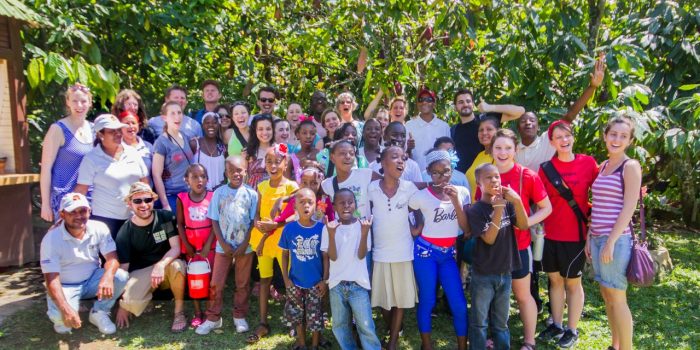
Travel for a cause, also known as voluntourism or ethical travel, represents a unique approach to tourism where travelers actively participate in projects that benefit local communities or the environment. It transcends the typical leisure-based travel experience by incorporating a service or volunteer component, aligning personal travel with positive social or environmental impact. This concept encompasses a wide spectrum of activities and motivations, offering diverse opportunities for meaningful engagement.Travel for a cause initiatives are multifaceted and can range from assisting in wildlife conservation efforts to teaching English in underserved communities or participating in habitat restoration projects.
The underlying principle remains consistent: the journey itself contributes to a greater good, beyond the personal experience of the traveler.
Types of Travel for a Cause Initiatives
Several distinct types of travel for a cause initiatives exist, each with its own unique focus and impact. These initiatives are often categorized based on the primary beneficiary – be it the environment, a specific community, or a particular cause. Examples include wildlife conservation programs in national parks where volunteers assist with monitoring animal populations and habitat preservation; educational programs in developing countries where travelers contribute to improving literacy rates; community development projects in rural areas where volunteers work alongside locals on infrastructure development; and medical missions providing healthcare services to remote communities.
The diversity reflects the wide range of global needs and the varied ways in which travelers can contribute.
Motivations for Engaging in Travel for a Cause
Individuals engage in travel for a cause tourism for a variety of reasons, often intertwining personal fulfillment with a desire to make a tangible difference. Many are driven by a genuine sense of altruism, seeking to use their skills and time to contribute to a worthy cause. Others are motivated by a desire for a more meaningful travel experience, seeking to connect with local communities and cultures on a deeper level than a typical tourist.
Furthermore, some individuals see it as an opportunity for personal growth and skill development, gaining valuable experience while contributing to a positive outcome. The motivations are diverse and often overlap, highlighting the multifaceted nature of this form of travel.
Positive Impacts of Responsible Travel on Local Communities and the Environment
Responsible travel, a core element of travel for a cause, generates significant positive impacts on both local communities and the environment. For communities, it can lead to increased economic opportunities through supporting local businesses and creating employment. Furthermore, it fosters cultural exchange and understanding, promoting cross-cultural collaboration and respect. For the environment, responsible travel often involves initiatives aimed at conservation and preservation, helping to protect biodiversity and reduce the environmental footprint of tourism.
For instance, a volunteer project focused on reforestation efforts in a deforested area directly contributes to carbon sequestration and habitat restoration, while a community-based tourism initiative ensures that local people directly benefit from tourism revenue, reducing the environmental impact and fostering sustainability. These positive impacts are amplified when travel is planned and executed with a strong emphasis on sustainability and responsible practices.
Types of “Travel for a Cause” Trips
Travel for a cause encompasses a wide spectrum of experiences, each offering unique opportunities for personal growth and positive global impact. Understanding the different types of trips available allows individuals to choose an experience that aligns with their skills, interests, and desired level of commitment. This section will explore several key categories, highlighting their characteristics and benefits.
Travel for a cause trips can be broadly categorized based on the primary activity and the type of impact they aim to achieve. These categories often overlap, and many trips incorporate elements from multiple categories. The key is to find a trip that resonates with your personal values and capabilities.
Volunteering Trips
Volunteering trips directly involve hands-on work contributing to a specific project or community. These trips can range from assisting with construction projects in developing countries to teaching English in underserved communities or working with wildlife conservation organizations. The benefits include gaining valuable practical experience, developing new skills, and fostering a deeper understanding of the challenges faced by local communities.
The level of commitment can vary significantly, from short-term weekend projects to longer-term placements lasting several months. The impact is typically tangible and directly observable, with the volunteer contributing directly to the success of a project. For example, a volunteer might help build a school, plant trees, or assist with medical care.
Educational Trips
Educational trips focus on learning and cultural immersion, often incorporating a service-learning component. These trips might involve studying abroad in a developing country, participating in a cultural exchange program, or attending workshops and seminars focused on sustainable development or social justice issues. The benefits include broadening one’s perspective, enhancing intercultural understanding, and developing critical thinking skills. The commitment level is usually moderate, ranging from a few weeks to several months.
The impact might be less immediately tangible than volunteering trips but still significant in terms of raising awareness and promoting understanding. For example, a participant might learn about sustainable farming practices and return home to implement them in their own community.
Conservation Trips
Conservation trips are focused on protecting and restoring natural environments. These trips often involve working with environmental organizations to conduct research, monitor wildlife populations, or participate in habitat restoration projects. The benefits include contributing to environmental protection, developing scientific skills, and experiencing the beauty of nature firsthand. The level of commitment can vary greatly, from short-term monitoring projects to long-term research studies.
The impact is crucial for preserving biodiversity and protecting natural resources. For example, volunteers might participate in sea turtle conservation efforts or help restore damaged coral reefs.
Table Comparing Trip Types
| Trip Type | Duration | Cost (Estimate) | Required Skills |
|---|---|---|---|
| Volunteering (Construction) | 1-4 weeks | $1000 – $3000 | Basic construction skills helpful, but not always required |
| Educational (Cultural Immersion) | 2-8 weeks | $2000 – $5000 | Open mind, adaptability, basic language skills helpful |
| Conservation (Wildlife Monitoring) | 1-6 weeks | $1500 – $4000 | Basic field research skills, physical fitness |
Planning and Resources for “Travel for a Cause”
Planning a meaningful and impactful “Travel for a Cause” trip requires careful consideration and preparation. It’s crucial to balance your desire to contribute positively with ensuring a safe and enriching experience for both yourself and the community you’re visiting. This involves thorough research, responsible planning, and a commitment to ethical travel practices.
Step-by-Step Guide for Planning a Responsible “Travel for a Cause” Trip
Effective planning is essential for a successful “Travel for a Cause” trip. A well-structured approach ensures a positive impact while minimizing potential negative consequences. The following steps provide a framework for responsible trip planning.
- Identify your passions and skills: What causes resonate with you? What skills can you offer? Matching your interests and abilities with a project maximizes your contribution.
- Research potential organizations: Explore organizations working on causes you care about. Consider their mission, impact, and transparency.
- Contact organizations directly: Inquire about volunteer opportunities, program details, costs, and requirements. A direct conversation helps clarify expectations.
- Review program details carefully: Understand the project’s goals, your role, the duration, and any necessary pre-departure training.
- Plan your logistics: Book flights, accommodation, and necessary visas well in advance. Consider travel insurance and necessary vaccinations.
- Prepare for cultural immersion: Research the local culture, customs, and etiquette. Respectful behavior is crucial for a positive experience.
- Pack appropriately: Bring necessary clothing, toiletries, and any specialized equipment required for the project. Consider packing light to reduce your environmental impact.
- Reflect on your experience: After the trip, take time to reflect on your contribution and identify areas for improvement in future endeavors.
Reputable Organizations Facilitating “Travel for a Cause” Opportunities
Numerous reputable organizations offer structured “Travel for a Cause” opportunities. Choosing a well-established organization ensures accountability and a positive impact. However, independent research is always recommended.
- Global Volunteers: Offers a wide range of international volunteer programs focused on various social and environmental causes.
- Cross-Cultural Solutions: Provides immersive volunteer experiences focusing on community development, education, and environmental conservation.
- Habitat for Humanity: A well-known organization offering volunteer opportunities related to building and improving homes for families in need.
- Doctors Without Borders (Médecins Sans Frontières): A leading humanitarian medical organization offering opportunities for medical professionals.
(Note
This is not an exhaustive list, and the suitability of an organization depends on individual interests and skills.)*
Tips for Finding and Vetting Trustworthy Organizations and Projects
Thorough vetting is crucial to ensure the organization’s legitimacy and the positive impact of your involvement.
Look for organizations with transparent financial information, clearly defined goals, and evidence of their positive impact. Read reviews and testimonials from past volunteers. Confirm the organization’s legal status and registration. Ask questions about the project’s sustainability and the community’s involvement in its design and implementation. Avoid organizations that seem overly focused on fundraising rather than actual impact.
Essential Items and Considerations for Travelers Participating in “Travel for a Cause”
Preparation is key for a successful and safe trip.
Beyond the typical travel essentials, consider packing appropriate clothing for the climate and activities, necessary medications, a copy of your passport and visa, and any required project-specific equipment. Ensure you have comprehensive travel insurance covering medical emergencies, evacuation, and lost belongings. Research local laws and customs, and be prepared for potential cultural differences. Maintain open communication with your family or friends back home.
Remember that flexibility and adaptability are crucial when participating in a “Travel for a Cause” initiative.
The Impact of “Travel for a Cause”
Travel for a cause initiatives offer a unique opportunity to foster positive change, impacting both the travelers themselves and the communities they visit. These trips, when executed responsibly, can create a ripple effect of social and environmental benefits, leaving a lasting legacy of improvement. However, it’s crucial to acknowledge potential drawbacks and implement strategies to mitigate negative consequences, ensuring that the positive impact outweighs any unintended harm.Responsible tourism, a cornerstone of travel for a cause, promotes sustainable practices that minimize environmental damage and maximize economic benefits for local communities.
The long-term effects are multifaceted, influencing everything from infrastructure development to cultural preservation and individual perspectives.
Long-Term Effects on Travelers and Local Communities
Travel for a cause trips often profoundly impact participants. Exposure to different cultures and challenges broadens perspectives, fosters empathy, and can inspire long-term commitment to social justice and environmental sustainability. Many travelers return home with a renewed sense of purpose, actively engaging in related initiatives within their own communities. Simultaneously, local communities benefit from increased economic activity, improved infrastructure (through volunteer work), and enhanced cultural preservation efforts.
For example, a volunteer trip focused on building schools in a rural area not only provides educational opportunities for children but also stimulates the local economy through the purchasing of materials and the employment of local labor. This economic injection can lead to long-term improvements in living standards and community development.
Positive Social and Environmental Changes
Responsible tourism practices directly contribute to positive social and environmental changes. Supporting local businesses ensures that economic benefits remain within the community, rather than flowing to multinational corporations. Volunteer efforts focused on environmental conservation, such as reforestation or wildlife protection, directly contribute to ecological sustainability. Furthermore, cultural exchange inherent in these trips fosters understanding and appreciation for diverse cultures, combating prejudice and promoting tolerance.
A well-managed ecotourism project in a rainforest, for instance, can generate income for local communities while simultaneously preserving biodiversity and protecting fragile ecosystems. The revenue generated can be reinvested in conservation efforts, creating a self-sustaining model for environmental protection.
Challenges and Limitations of “Travel for a Cause” Tourism
Despite the potential benefits, travel for a cause initiatives face several challenges. One significant concern is the potential for “voluntourism,” where well-intentioned efforts inadvertently cause more harm than good. This can occur when volunteers lack proper training or understanding of local contexts, leading to ineffective or even counterproductive interventions. Another challenge is ensuring that the economic benefits of tourism reach the intended beneficiaries, rather than being siphoned off by intermediaries.
The sustainability of such projects also presents a challenge; ensuring long-term impact requires careful planning, community engagement, and ongoing support. For example, a short-term volunteer project to build a well might be successful in the short term, but without a plan for maintenance and repair, the well may become unusable in a few years.
Strategies for Maximizing Positive Impact and Minimizing Negative Consequences
To maximize the positive impact and minimize negative consequences, careful planning and responsible execution are essential. Thorough research is crucial to identify reputable organizations with transparent operations and a proven track record. Participating in well-structured programs with experienced guides and local partners helps ensure that volunteer efforts are effective and culturally sensitive. Focusing on projects that align with local needs and priorities is vital, avoiding initiatives that might disrupt existing community structures or impose external values.
Furthermore, continuous evaluation and feedback mechanisms are essential to assess the long-term impact and make necessary adjustments. Pre-departure training for volunteers is equally crucial, providing them with the necessary skills and cultural awareness to contribute effectively and respectfully. Finally, supporting locally owned businesses and engaging respectfully with the local culture fosters a more sustainable and equitable form of tourism.
Flight Deals and Hacks
Securing affordable flights is crucial for making “Travel for a Cause” trips financially feasible. Many resources and strategies exist to help you find the best deals, allowing you to maximize your impact and minimize your expenses. By employing a combination of smart planning and utilizing available tools, you can significantly reduce your travel costs.Finding the cheapest flights often requires a degree of flexibility and research.
This section will Artikel effective methods for locating and securing affordable airfare, enabling you to dedicate more resources to your chosen cause.
Websites and Apps for Finding Affordable Flights
Several websites and apps specialize in aggregating flight information from various airlines and travel agencies, allowing you to compare prices easily. These platforms often employ sophisticated algorithms to identify the best deals based on your search criteria. Popular options include Google Flights, Skyscanner, Kayak, Momondo, and Hopper. Each platform has its own strengths; some excel at displaying price trends, while others offer better filtering options.
Experimenting with a few different platforms is recommended to find the one that best suits your needs.
Tips and Tricks for Securing the Best Flight Deals
Flexibility is key to finding the best flight deals. Being open to traveling on less popular days (mid-week flights are often cheaper than weekend flights) and adjusting your travel dates by a day or two can significantly impact the price. Utilizing flight comparison websites effectively involves experimenting with different search parameters, such as nearby airports and alternative dates.
Consider also subscribing to price alerts offered by some websites; these will notify you of price drops on your chosen routes. Booking flights well in advance or at the last minute can sometimes yield surprising savings, though this is not always guaranteed and depends heavily on demand and route popularity.
Utilizing Frequent Flyer Programs and Airline Loyalty Points
Frequent flyer programs offer a valuable way to accumulate points towards free or discounted flights. Many airlines offer co-branded credit cards that accelerate point accumulation. Strategically using these points can substantially reduce the cost of your “Travel for a Cause” trip. Before booking, check if your desired airline or alliance participates in a program you are already enrolled in, and factor in the potential value of using your accumulated points.
Remember to carefully read the terms and conditions of each program to maximize its benefits.
Step-by-Step Guide on How to Book a Flight at the Best Possible Price
- Identify your destination and travel dates: Be as flexible as possible with your dates to maximize your chances of finding a lower fare.
- Use flight comparison websites: Input your details into several comparison websites (Google Flights, Skyscanner, Kayak, etc.) to compare prices across different airlines and travel agencies.
- Consider alternative airports: Check for flights to and from nearby airports, as they may offer significantly lower fares.
- Be flexible with your travel times: Mid-week flights and flights with layovers are often cheaper than direct flights on weekends.
- Set up price alerts: Subscribe to price alerts from flight comparison websites to be notified of price drops.
- Book in advance or at the last minute (depending on the route and demand): Research historical price trends for your specific route to determine the optimal booking time.
- Utilize frequent flyer points: Check if you have enough points to redeem for a free or discounted flight.
- Compare total costs: Factor in baggage fees, seat selection costs, and other potential additional charges when comparing prices.
- Book directly with the airline or a reputable travel agency: Ensure you are booking through a trustworthy source.
Ultimately, Travel for a Cause offers a unique opportunity to experience the world differently, forging personal growth while contributing to global good. By carefully planning your trip, choosing reputable organizations, and prioritizing responsible practices, you can create a truly transformative experience, leaving a positive footprint both on the communities you visit and on your own life. The rewards extend far beyond the postcard-perfect memories; they lie in the tangible impact you make and the lasting connections you forge.
Essential Questionnaire
What if I lack specific skills for a volunteer project?
Many organizations welcome volunteers with a range of skills and experience levels. Some projects prioritize enthusiasm and willingness to learn over specialized expertise.
How can I ensure the organization is legitimate?
Research thoroughly. Check for independent reviews, verify their registration status, and look for transparency in their financial reporting and impact metrics.
Are there Travel for a Cause opportunities for short trips?
Yes, many organizations offer short-term volunteer programs, ranging from a weekend to a couple of weeks, making it accessible to those with limited time.
What about insurance and medical considerations?
Comprehensive travel insurance is crucial, including medical evacuation coverage. Consult your doctor regarding necessary vaccinations and health precautions for your destination.


