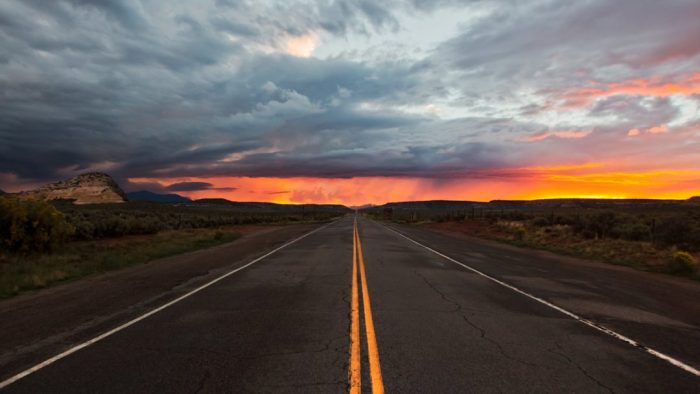
Road trip photography tips unlock the potential to transform ordinary journeys into extraordinary visual narratives. This guide delves into planning the perfect route, mastering essential techniques, and utilizing the right gear to capture stunning landscapes, dynamic action shots, and quirky roadside finds. Learn how to edit your photos for a cohesive style and ultimately, tell a compelling story through your images, showcasing the adventure and spirit of the open road.
From selecting optimal lighting conditions to utilizing various camera settings and compositions, we’ll explore practical strategies for capturing memorable moments. We’ll also cover essential gear, post-processing workflows, and creative storytelling techniques, ensuring you return with a breathtaking collection of images that reflect your unique road trip experience.
Essential Gear for Road Trip Photography
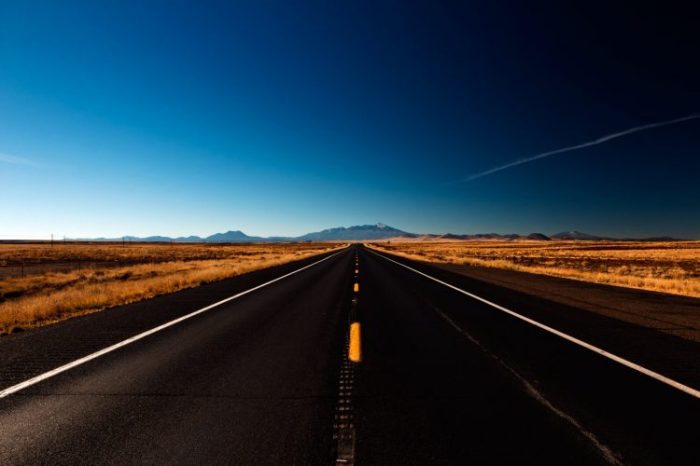
Embarking on a road trip offers unparalleled photographic opportunities. From breathtaking landscapes to charming roadside diners, capturing these moments requires the right equipment. Careful planning of your gear can significantly impact the quality and variety of your photographs, ensuring you’re prepared for any situation. This section Artikels essential items for a successful road trip photography adventure.
Camera Gear Checklist
A well-organized gear checklist is crucial for smooth operations. Overpacking is as detrimental as under-packing. Consider the weight and space constraints of your vehicle when making your selections.
| Item | Purpose | Alternatives | Notes |
|---|---|---|---|
| Camera Body (DSLR, Mirrorless, or High-End Point-and-Shoot) | The heart of your photography system, responsible for capturing the image. | Smartphone with a good camera | Choose based on your budget and desired image quality. Consider lens interchangeability. |
| Lenses (at least one versatile zoom lens) | Provides the focal length needed to capture different subjects, from wide landscapes to close-up details. | All-in-one lens (with limitations) | A versatile zoom lens (e.g., 24-70mm or 18-55mm) is ideal for most situations. Consider a wider angle lens for landscapes and a telephoto lens for wildlife or distant subjects. |
| Extra Batteries | Ensures you can continue shooting throughout the day, especially in cold weather which drains batteries faster. | External battery pack | Carry at least two extra batteries. Consider a battery grip for increased shooting time and better ergonomics. |
| Memory Cards (sufficient capacity) | Stores captured images and videos. | External hard drive (for offloading) | High-capacity cards (64GB or higher) are recommended. Always carry at least one extra card. Regularly back up your images. |
| Camera Cleaning Kit (lens cloth, blower) | Maintains the cleanliness of your lenses and sensor, preventing dust spots and smudges. | Compressed air | Regular cleaning is crucial for optimal image quality. |
Non-Camera Gear Checklist
Beyond the camera itself, several other items significantly contribute to a successful photography road trip. These items enhance your comfort, safety, and ability to capture high-quality images.
| Item | Purpose | Alternatives | Notes |
|---|---|---|---|
| Camera Bag/Backpack | Safely transports and protects your camera gear. | Waterproof dry bag | Choose a bag that is comfortable to carry and provides adequate protection from the elements. |
| Tripod | Provides stability for long exposures, low-light photography, and time-lapses. | Beanbag, stable surface | A lightweight and portable tripod is essential for sharp images in challenging conditions. |
| Portable Charger | Keeps your devices powered up, especially important for smartphones used for photography and navigation. | Car charger | A high-capacity power bank is recommended for extended trips. |
| External Hard Drive | Provides backup storage for your images, minimizing the risk of data loss. | Cloud storage service | Regularly back up your photos to protect your valuable memories. |
| First-aid Kit | For minor injuries and emergencies. | N/A | Safety is paramount, especially during long drives and outdoor excursions. |
Camera Type Considerations
The choice of camera type depends on individual needs and preferences. Each type offers specific advantages and disadvantages in the context of road trip photography.DSLRs (Digital Single-Lens Reflex) cameras offer excellent image quality, a wide range of lenses, and robust build quality. However, they can be bulky and heavier than mirrorless cameras. Mirrorless cameras provide similar image quality to DSLRs but are typically smaller, lighter, and offer faster autofocus speeds.
Point-and-shoot cameras are compact and easy to use, but their image quality and features are often less advanced than DSLRs and mirrorless cameras. The best choice depends on your priorities: image quality, portability, and budget. For road trips, a balance of image quality and portability is often ideal, making mirrorless cameras a popular choice for many photographers.
Editing and Post-Processing Road Trip Photos
Post-processing is crucial for transforming your road trip snapshots into captivating memories. A well-defined workflow ensures efficiency and consistency in your editing process, allowing you to focus on enhancing the storytelling aspect of your images. This section details a practical workflow and techniques to elevate your road trip photography.
Workflow for Editing Road Trip Photos
A streamlined workflow is essential for efficient post-processing. Begin by importing your images into a well-organized folder structure on your computer. This might involve creating separate folders for each day or location of your trip. Then, use a cataloging system within your chosen software (like Lightroom Classic or Adobe Bridge) to manage and rate your photos. This allows for easy selection of the best images for editing.
Next, cull your images, keeping only the sharpest, best-composed, and most evocative photos. Finally, export your edited photos in a suitable format and resolution for sharing or printing.
Software Suggestions and Editing Techniques
Popular choices for editing road trip photos include Adobe Lightroom Classic, Adobe Photoshop, and Luminar Neo. Lightroom Classic is particularly well-suited for batch processing and organizing large numbers of images, while Photoshop offers more advanced retouching tools. Luminar Neo provides a user-friendly interface with powerful AI-powered features. Basic editing techniques include adjusting exposure, contrast, highlights, shadows, and white balance to create a balanced and appealing image.
More advanced techniques might include using masking and layering to selectively edit specific areas of an image.
Enhancing Colors, Contrast, and Sharpness
For landscape shots, consider boosting saturation subtly to enhance the vibrancy of the scenery without making it look unnatural. Increasing contrast can help define the different elements of the landscape, such as mountains and valleys, while sharpening can bring out details in distant objects. For action shots, focus on freezing motion using a fast shutter speed during capture, and then subtly increase sharpness in post-processing to maintain detail.
Adjusting contrast can help isolate the subject from the background. Correcting white balance ensures accurate color representation, vital for both landscape and action photography. Specific actions might include using the adjustment brushes in Lightroom or Photoshop to target specific areas for color or contrast changes.
Creating a Cohesive Visual Style, Road trip photography tips
A consistent visual style is vital for a compelling road trip photo album or gallery. This involves maintaining a similar color palette, editing style, and overall mood throughout your images. One approach is to choose a preset or create your own custom preset in Lightroom or similar software to apply a consistent look and feel across your images.
This helps to unify the visual narrative of your journey. Consider focusing on a particular aspect, such as the warm tones of a sunset, or the cool blues of a mountain lake, to establish a recurring theme. Another technique is to use consistent cropping ratios across images to maintain a unified aesthetic.
Photo Album Design Process
Start by selecting your best images, ensuring a balance of variety and storytelling. Organize them chronologically or thematically, creating a narrative flow for your album. Consider adding captions or short descriptions to provide context and enhance the viewer’s experience. Choose a consistent layout and design, maintaining a balance between text and images. A professional-looking album might include consistent fonts, colors, and a clear visual hierarchy.
Finally, select a high-quality printing service to ensure your album is beautifully presented.
Storytelling Through Road Trip Photography: Road Trip Photography Tips
Road trip photography is more than just capturing pretty landscapes; it’s about weaving a visual narrative that transports the viewer to your journey. A compelling road trip photo essay isn’t a random collection of images; it’s a carefully constructed story, revealing the adventure’s essence through thoughtful composition and selection. By strategically incorporating various elements, you can create a powerful and memorable visual account of your experience.A successful road trip photo essay uses visual elements to guide the viewer through the story’s progression.
This involves considering the order of photographs, the emotional impact of each image, and how they work together to create a cohesive narrative arc. Whether it’s a humorous tale of unexpected detours or a poignant reflection on personal growth, the story should unfold naturally, engaging the viewer’s emotions and curiosity.
Narrative Approaches in Road Trip Photography
Different narrative approaches can significantly impact the story’s feel and message. A chronological approach, presenting images in the order they were taken, provides a straightforward account of the journey. Alternatively, a thematic approach could focus on a specific aspect of the trip, such as the changing landscapes or the interactions with people encountered along the way. A contrasting approach might juxtapose images representing opposing themes, like the serenity of nature against the bustle of city life, creating a dynamic and thought-provoking narrative.
Finally, a character-driven approach focuses on the people involved in the trip, showcasing their emotions and experiences.
Incorporating Elements to Enhance Narrative
People, vehicles, and landmarks play crucial roles in enriching the narrative. Including people within the frame adds a human element, providing a sense of scale and emotion. A lone figure silhouetted against a vast sunset can convey a feeling of solitude and awe, while a group laughing around a campfire speaks to camaraderie and shared experiences. The vehicle itself can be a central character, reflecting the journey’s spirit – a battered vintage car suggesting adventure, a sleek modern vehicle implying speed and efficiency.
Landmarks act as visual signposts, anchoring the story to specific locations and adding context. A shot of the iconic Golden Gate Bridge clearly situates the viewer within a particular geographic location, contributing to the narrative’s authenticity.
Visual Storytelling Techniques
Several visual techniques can enhance your storytelling. Using leading lines, such as a winding road or a river, guides the viewer’s eye through the image and creates a sense of movement and depth. The rule of thirds, placing key elements off-center, adds visual interest and dynamism. Color palettes can evoke specific moods; warm tones suggest comfort and warmth, while cool tones might convey a sense of mystery or loneliness.
Juxtaposing contrasting images, as mentioned earlier, can create tension and visual interest. Depth of field, controlling the area in focus, can draw attention to specific elements while blurring the background, adding emphasis to the story’s focal point.
Sample Photo Essay: “The Coastal Cruise”
This fictional road trip follows a couple driving down the California coast.
- Photo 1: A wide shot of a vintage convertible speeding down Highway 1, the Pacific Ocean visible in the background. This establishes the setting and tone, suggesting freedom and adventure.
- Photo 2: A close-up shot of the couple laughing, hands intertwined, as they look out at the ocean from a scenic overlook. This introduces the main characters and hints at their relationship.
- Photo 3: A panoramic view of a dramatic coastline with towering cliffs and crashing waves. This emphasizes the beauty and power of the natural landscape.
- Photo 4: A candid shot of the couple enjoying a picnic lunch by a secluded beach. This shows a moment of peaceful relaxation, contrasting the excitement of the drive.
- Photo 5: A low-angle shot of the couple walking hand-in-hand along the beach at sunset, silhouetted against the vibrant sky. This creates a romantic and contemplative mood, symbolizing the end of the journey.
Exploring Related Travel Experiences
Road trips offer a unique blend of freedom and photographic opportunities unmatched by other travel methods. Choosing the right mode of transport significantly impacts the type of images you can capture and the overall experience. Understanding the advantages and disadvantages of each option helps photographers plan a trip that maximizes both their creative vision and budget.
Road Trips versus Alternative Travel Methods for Photography
Road trips provide unparalleled access to diverse landscapes and hidden gems, allowing for spontaneous stops and exploration. The flexibility to deviate from a planned route, to linger longer in inspiring locations, and to shoot at golden hour or during unique weather conditions, is a significant advantage. Flights, while faster, restrict photography opportunities to airport terminals and in-flight views. Trains offer scenic routes, but often lack the flexibility to explore off the beaten path.
Cruises, though providing access to various locations, limit photographic opportunities to scheduled excursions and onboard views. The constant movement and time constraints of flights, trains, and cruises often hinder the in-depth exploration necessary for compelling travel photography. Conversely, the slower pace of a road trip encourages a deeper engagement with the environment, resulting in richer photographic stories.
Budget-Friendly Accommodation for Photographers on a Road Trip
Finding affordable lodging that also caters to a photographer’s needs is crucial for a successful road trip. Campgrounds offer a budget-friendly solution, providing stunning natural backdrops and opportunities for astrophotography. Many national and state parks offer campsites with varying levels of amenities, from basic tent sites to RV hookups. The cost is significantly lower than hotels, allowing photographers to allocate more funds towards gear and experiences.
Budget hotels, such as motels and smaller chains, are another viable option. While not as visually striking as other choices, they provide a safe and convenient place to rest and edit photos. Prioritizing locations near interesting photographic locations can reduce travel time and maximize shooting opportunities.
Unique and Memorable Accommodations Enhancing Road Trip Photography
Stepping outside the traditional hotel experience can significantly enhance a road trip. Treehouses offer a unique perspective and stunning natural backdrops. Imagine a treehouse nestled amongst redwood giants, with dappled sunlight filtering through the canopy – a perfect setting for intimate portraits or evocative landscape shots. The natural textures and vibrant greens provide a stunning contrast to any subject. Yurts, with their circular design and nomadic aesthetic, offer a different kind of visual appeal.
Imagine a yurt situated on a high desert plain, with expansive views of rolling hills and a star-filled night sky. The yurt’s unique architecture creates interesting lines and shapes within the photograph, while the surrounding landscape provides a dramatic backdrop for both daytime and nighttime photography. These unique accommodations not only provide comfortable lodging but also contribute to the overall narrative and visual richness of the road trip, enriching the resulting photographs.
Ultimately, successful road trip photography is about more than just taking pretty pictures; it’s about capturing the essence of the journey, the unexpected discoveries, and the memories made along the way. By thoughtfully planning your route, mastering photographic techniques, and utilizing effective editing strategies, you can create a visual diary that encapsulates the spirit of adventure and leaves a lasting impression.
So pack your bags, grab your camera, and embark on a photographic journey you’ll never forget.
Questions and Answers
What’s the best time of day to shoot?
Golden hour (sunrise and sunset) and blue hour (twilight) offer the most flattering light, creating warm and dramatic images.
How do I avoid blurry photos while driving?
Use a fast shutter speed to freeze motion. Consider using a tripod or resting your camera on a stable surface when possible.
What are some essential non-camera items?
Portable charger, extra memory cards, cleaning kit, comfortable walking shoes, and a map (or GPS) are crucial.
How can I improve my composition?
Learn the rule of thirds, leading lines, and framing techniques. Experiment with different angles and perspectives.


