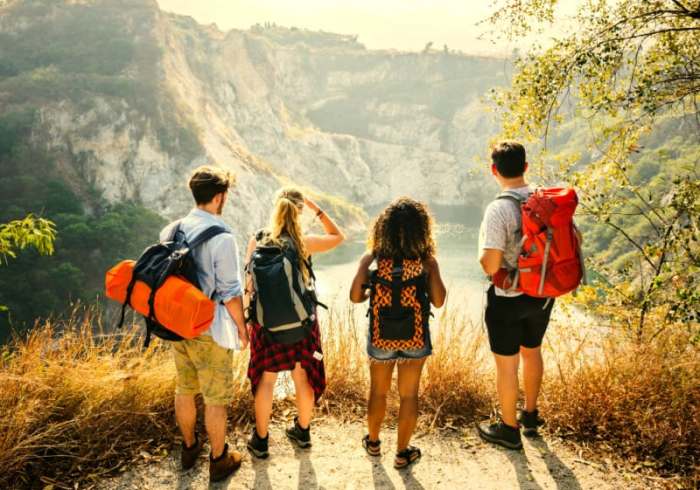
Gap year travel with friends sets the stage for an unforgettable adventure, offering a unique blend of independence and camaraderie. This journey, meticulously planned or spontaneously embraced, promises a wealth of experiences, from exploring vibrant cultures to conquering thrilling challenges. This guide delves into the essential aspects of planning and executing a successful gap year trip with friends, ensuring a rewarding and memorable experience for all involved.
From crafting detailed itineraries and budgeting effectively to navigating diverse transportation options and prioritizing safety, we explore every facet of group travel. We’ll uncover strategies for efficient expense management, conflict resolution, and maximizing the enjoyment of shared adventures. Whether you dream of backpacking through Southeast Asia, exploring the ancient ruins of South America, or embarking on a European road trip, this comprehensive guide will empower you to create a truly exceptional gap year.
Planning the Gap Year Trip with Friends
Planning a gap year trip with friends can be an incredibly rewarding experience, fostering lasting memories and strengthening bonds. However, careful planning and open communication are crucial for a smooth and enjoyable journey. This section will Artikel key aspects of planning your adventure, ensuring a successful and memorable gap year.
Sample Southeast Asia Itinerary (One Month, Budget-Friendly)
This itinerary focuses on budget-friendly travel within Southeast Asia, emphasizing cultural experiences and affordable accommodation. It prioritizes overland travel where possible to reduce flight costs. Remember, this is a suggestion; you can customize it to fit your group’s interests and budget.
| Week | Location | Activities | Budget (per person, estimate) |
|---|---|---|---|
| 1 | Bangkok, Thailand | Explore temples (Wat Arun, Wat Pho), street food markets, river cruise. | $300 |
| 2 | Chiang Mai, Thailand | Visit elephant sanctuaries (ethical ones!), cooking class, explore the Old City. | $250 |
| 3 | Luang Prabang, Laos | Kuang Si Falls, alms giving ceremony, explore the temples and night market. | $200 |
| 4 | Hanoi, Vietnam | Explore the Old Quarter, street food tour, visit Hoan Kiem Lake and Ngoc Son Temple. | $250 |
Note: Budget estimates are approximate and can vary depending on your spending habits and travel style. Consider factors like accommodation choices (hostels are significantly cheaper than hotels), food preferences (street food is much more affordable than restaurants), and transportation methods.
Essential Documents and Preparations Checklist
Thorough preparation is key to a stress-free trip. This checklist covers essential documents and preparations to ensure a smooth journey.
- Passports (with at least six months validity remaining)
- Visas (check visa requirements for each country well in advance)
- Flight and accommodation bookings (consider booking flights and some accommodations in advance, especially during peak season)
- Travel insurance (essential for medical emergencies and unforeseen circumstances)
- Copies of important documents (store separately from originals)
- International driving permit (if planning to rent a car or scooter)
- Vaccinations and necessary medications (consult your doctor)
- Sufficient funds (consider carrying a mix of cash and cards)
- Packing list (appropriate clothing for the climate and planned activities)
- Phrasebook or translation app (facilitates communication)
Strategies for Dividing Travel Expenses and Responsibilities
Fairly distributing expenses and responsibilities is crucial for maintaining group harmony. Here are three effective strategies:
- Shared Account: Create a joint bank account or use a budgeting app where everyone contributes equally to a central fund. This simplifies expense tracking and ensures everyone contributes fairly. This requires trust and clear communication regarding expenses.
- Individual Budgeting: Each person budgets their own expenses. This offers more individual control, but requires meticulous record-keeping and transparent communication about individual spending.
- Rotating Responsibilities: Assign different tasks (e.g., booking flights, arranging accommodation, researching activities) to different group members on a rotating basis. This distributes workload and responsibilities evenly.
Pre-Trip Communication and Conflict Resolution Strategies
Open communication before and during the trip is vital for preventing misunderstandings and resolving conflicts effectively.Before the trip, hold a group meeting to discuss expectations, preferences, and potential challenges. Establish clear communication channels (e.g., group chat) and agree on a decision-making process. During the trip, prioritize open and honest communication. If conflicts arise, address them promptly and calmly, focusing on finding solutions collaboratively.
Remember that compromise and understanding are essential for a harmonious journey. Consider establishing a pre-agreed upon process for conflict resolution, such as a structured discussion or mediation if needed.
Choosing Destinations and Activities
Selecting the right destinations and activities is crucial for a successful and memorable gap year trip with friends. Careful consideration of your group’s interests, budget, and desired level of adventure will shape an unforgettable experience. The planning process should involve open communication and compromise to ensure everyone feels heard and excited about the journey.
Unique and Adventurous Destinations for Cultural Immersion
Choosing destinations that offer a rich cultural experience is paramount for a fulfilling gap year. Exposure to diverse cultures broadens perspectives and creates lasting memories. The following destinations provide unique opportunities for cultural immersion alongside adventure:
- Japan: Explore ancient temples, bustling cities like Tokyo and Kyoto, and experience the unique blend of traditional and modern culture. Participate in tea ceremonies, visit serene gardens, and engage with the friendly locals.
- Morocco: Journey through vibrant souks (markets), explore the Sahara Desert on camelback, and experience the rich history and traditions of Berber culture. Learn about traditional crafts, enjoy delicious tagines, and witness stunning architecture.
- Peru: Trek the Inca Trail to Machu Picchu, explore the Amazon rainforest, and discover the fascinating history of the Incan civilization. Experience the vibrant culture of Cusco, learn about ancient traditions, and sample delicious Peruvian cuisine.
- Vietnam: Cruise through Ha Long Bay, explore ancient cities like Hue and Hoi An, and experience the delicious street food culture. Learn about Vietnamese history, visit stunning rice paddies, and engage with the welcoming locals.
- Tanzania: Embark on a safari adventure, witness the incredible wildlife of the Serengeti, and experience the rich culture of the Maasai people. Learn about their traditions, visit local villages, and contribute to conservation efforts.
Diverse Group Activities for Gap Year Travelers
A successful gap year trip balances adventure, relaxation, and cultural exploration. Offering a variety of activities caters to diverse interests within the group.
- Adventure Activities: These could include hiking, rock climbing, white-water rafting, surfing, or wildlife safaris. These activities promote teamwork, challenge physical limits, and create shared experiences that foster strong bonds. For example, a group might choose to hike to a remote waterfall in Costa Rica, go white-water rafting in Nepal, or go on a multi-day trekking adventure in the Himalayas.
- Relaxation Activities: Balancing adventure with relaxation is crucial. Options include yoga retreats, beach days, cooking classes, or simply enjoying the local cafes and atmosphere. These activities provide opportunities for reflection, rejuvenation, and bonding outside of high-energy pursuits. A relaxing beach vacation in Thailand or a yoga retreat in Bali would offer a great contrast to more strenuous activities.
- Cultural Exploration Activities: Immerse yourselves in the local culture through museum visits, cooking classes, language lessons, volunteering opportunities, or attending local festivals and events. This fosters deeper understanding and appreciation of the visited destinations. A group might participate in a traditional tea ceremony in Japan, take a cooking class in Italy, or volunteer at a local community project in Guatemala.
Popular vs. Off-the-Beaten-Path Destinations
Choosing between popular and off-the-beaten-path destinations involves weighing various factors.
| Feature | Popular Destinations | Off-the-Beaten-Path Destinations |
|---|---|---|
| Accessibility | Easy to access, well-established infrastructure | May require more planning and potentially less accessible infrastructure |
| Cost | Can be more expensive due to higher demand | Generally more affordable |
| Crowds | Expect larger crowds and less personal experience | More intimate and authentic experiences, less crowded |
| Safety | Generally safer due to established tourism infrastructure | May present more safety concerns, requiring more careful planning |
| Authenticity | May feel less authentic due to commercialization | Offers a more authentic and immersive cultural experience |
Two-Week South America Itinerary: Adventure and Relaxation, Gap year travel with friends
This itinerary balances adventure with relaxation, focusing on Peru and incorporating elements of both.
- Days 1-3: Cusco & Sacred Valley: Arrive in Cusco, acclimatize to the altitude, explore the city, and visit the Sacred Valley, including Pisac market and Ollantaytambo ruins. Enjoy a mix of cultural exploration and relaxation.
- Days 4-6: Inca Trail Trek (Short Version): Embark on a shorter version of the Inca Trail to Machu Picchu, enjoying stunning mountain scenery and reaching the iconic site. This is the adventure component.
- Days 7-8: Machu Picchu & Aguas Calientes: Spend time exploring Machu Picchu, hiking Huayna Picchu (if permits are obtained in advance), and relaxing in the hot springs of Aguas Calientes. Combine cultural immersion with relaxation.
- Days 9-11: Amazon Rainforest Lodge: Fly to the Amazon rainforest and stay at a comfortable eco-lodge. Enjoy jungle hikes, wildlife spotting, and a relaxing atmosphere. This is a balance of adventure and relaxation.
- Days 12-14: Lima & Departure: Fly to Lima, explore the city’s historical center, enjoy the vibrant nightlife, and depart from Lima.
Budgeting and Financing the Trip: Gap Year Travel With Friends
Planning a three-month European adventure with friends requires careful budgeting. This involves considering various expenses and devising strategies to manage them effectively, ensuring a financially responsible and enjoyable trip. A well-structured budget will minimize financial stress and maximize your travel experience.
Sample Budget for a Three-Month European Gap Year Trip
This sample budget provides a realistic overview of potential expenses for a three-month European trip for one person. Remember that these are estimates, and actual costs may vary depending on travel style, destination choices, and season.
| Expense Category | Estimated Cost (USD) |
|---|---|
| Flights (roundtrip) | 1500 |
| Accommodation (hostels, budget hotels) | 3000 |
| Activities & Entrance Fees | 1500 |
| Food & Groceries | 2000 |
| Transportation (trains, buses, local transport) | 1000 |
| Miscellaneous (souvenirs, visa fees, etc.) | 500 |
| Total Estimated Cost | 9500 |
This budget assumes a moderately budget-conscious approach. Luxury travel will significantly increase these costs. For a group, consider splitting accommodation and transportation costs to reduce individual expenses.
Saving Money for a Gap Year Trip
Saving for a gap year requires planning and commitment. Several methods can help accumulate the necessary funds.
Employing budgeting apps provides a clear picture of spending habits, allowing for identification of areas where expenses can be reduced. Part-time jobs offer a reliable source of income, supplementing savings. Crowdfunding platforms enable sharing travel plans with friends and family, allowing them to contribute to the trip.
Finding Affordable Flights and Accommodation
Utilizing flight comparison websites allows for price comparisons across different airlines and travel dates, often revealing significant savings. Budget travel apps provide access to discounted accommodations, including hostels, guesthouses, and budget hotels. Booking flights and accommodation well in advance frequently results in lower prices.
Tracking Expenses and Managing Shared Finances
Creating a spreadsheet to track expenses during the gap year is crucial for monitoring spending and ensuring the group stays within budget. This spreadsheet should include columns for date, expense category, amount, and payment method. Clearly defining individual responsibilities and shared costs, along with regular reconciliation of shared expenses, ensures effective group financial management. Consider using a shared online spreadsheet for easy access and collaboration.
Transportation and Logistics
Efficient and cost-effective transportation is crucial for a successful gap year trip, especially when traveling with friends. Choosing the right mode of transport will significantly impact your budget, travel time, and overall experience. Careful planning in this area is key to maximizing your adventure and minimizing stress.
Transportation Modes: Advantages and Disadvantages
Different modes of transportation offer various advantages and disadvantages. Flights are the fastest option for long distances but can be expensive and contribute to a larger carbon footprint. Trains provide a more scenic and comfortable journey, often with more legroom than flights, but are generally slower and may not be available for all destinations. Buses are the most budget-friendly option, particularly for shorter distances, but can be less comfortable and slower than trains or planes.
Rental cars offer flexibility and independence, but require a driver’s license, insurance, and can be costly, especially with fuel and parking fees. The optimal choice depends on your priorities (budget, time, comfort, environmental impact) and the specific route.
Booking Flights and Train Tickets Efficiently and Cost-Effectively
Booking flights and train tickets in advance is essential to securing the best prices and availability, especially during peak seasons. Utilize flight comparison websites like Skyscanner, Google Flights, or Kayak to compare prices from different airlines. Consider flying on weekdays or during off-peak hours, as these often offer lower fares. For train tickets, websites like Rail Europe (for European travel) or the national railway websites of your chosen countries can provide booking options.
Be flexible with your travel dates if possible, as slight adjustments can sometimes lead to significant savings. Consider subscribing to email alerts from travel websites to be notified of price drops.
Navigating Public Transportation
Navigating public transport in unfamiliar cities and countries can initially seem daunting, but with some preparation, it becomes manageable. Download local transportation apps like Citymapper or Moovit, which provide real-time information on routes, schedules, and potential delays. Purchase a local transportation card (e.g., Oyster card in London, MetroCard in New York) for easier and often cheaper travel compared to purchasing individual tickets.
Learn basic phrases related to public transport in the local language to aid communication. Familiarize yourself with local maps and signage to avoid getting lost.
Transportation Cost and Convenience Comparison
| Transportation Mode | Cost (Approximate per person, per 1000km) | Convenience | Speed |
|---|---|---|---|
| Flight | $200 – $800+ | High (door-to-door, minimal transfers) | High |
| Train | $50 – $200 | Medium (comfortable, scenic) | Medium |
| Bus | $20 – $80 | Low (can be crowded, less comfortable) | Low |
| Rental Car | $100 – $300+ (excluding fuel) | High (flexible itinerary) | Medium (depends on traffic and road conditions) |
Accommodation and Safety
Choosing the right accommodation and prioritizing safety are crucial aspects of a successful gap year trip with friends. The type of accommodation you select will significantly impact your budget, comfort, and overall travel experience, while a proactive approach to safety ensures a smoother and more enjoyable journey.
Accommodation Options Comparison
Several accommodation options cater to different budgets and travel styles. Hostels offer budget-friendly shared rooms and a social atmosphere, ideal for meeting fellow travelers. Guesthouses provide a more private and often locally-owned experience, offering a glimpse into the local culture. Airbnb provides a wider range of options, from private rooms to entire apartments, offering greater flexibility and potentially more space and privacy.
Hotels offer the highest level of comfort and amenities but come with a higher price tag. The best option depends on your group’s priorities and budget. For instance, a group prioritizing budget and socializing might choose hostels, while a group seeking privacy and comfort might opt for Airbnb or hotels.
Safety Tips for Travelers
Staying safe while traveling requires awareness and proactive measures. Avoid displaying expensive jewelry or electronics openly. Be mindful of your surroundings, especially at night, and stick to well-lit and populated areas. When using public transportation, keep a close eye on your belongings. Learn basic phrases in the local language to help with communication.
Before accepting any offers or help from strangers, exercise caution and common sense. Inform someone of your itinerary and check in regularly. Photocopying important documents like your passport and storing them separately from the originals is a wise precaution. If you feel unsafe in a particular situation, trust your instincts and remove yourself from it.
Travel Insurance Coverage
Comprehensive travel insurance is essential. It provides financial protection against unforeseen circumstances, such as medical emergencies, trip cancellations, lost luggage, and theft. Different policies offer varying levels of coverage. For example, some policies might cover only medical emergencies, while others might include coverage for lost belongings, trip interruptions, and even emergency evacuation. Choosing a policy that aligns with your trip’s specifics and your risk tolerance is crucial.
Consider factors like the length of your trip, your planned activities, and the destinations you’ll be visiting when selecting a policy. It’s advisable to carefully read the policy details before purchasing to understand the extent of coverage.
Emergency Contact Information and Resources
Having readily available emergency contact information is paramount. This should include the emergency numbers for the countries you’ll be visiting (e.g., 911 in the US, 999 in the UK). Additionally, you should have the contact information for your country’s embassy or consulate in each destination. Many embassies and consulates offer assistance to citizens traveling abroad. Consider saving this information digitally and printing a physical copy to keep separate from your electronic devices.
A list of trusted local contacts (e.g., your accommodation provider, a local guide) can also prove valuable in case of emergencies. Finally, sharing your itinerary with family or friends back home, including planned accommodation details and transportation information, is a crucial safety measure.
Ultimately, a successful gap year trip with friends hinges on careful planning, open communication, and a shared commitment to creating lasting memories. By addressing logistical details, financial considerations, and potential challenges proactively, you can transform your gap year into an enriching and transformative experience. Remember to embrace spontaneity, celebrate diversity, and cherish the bonds forged through shared adventures.
The memories created during this time will undoubtedly shape your future perspectives and strengthen your friendships for years to come.
Question & Answer Hub
What’s the best time of year to take a gap year?
The ideal time depends on your destination and preferences. Consider weather patterns, peak tourist seasons (which may be more expensive), and any local events or festivals.
How do I handle disagreements with my friends while traveling?
Establish clear communication channels before you go. Agree on a process for resolving conflicts, prioritizing open dialogue and compromise. Remember to respect individual needs and preferences.
What if a friend gets sick or injured during the trip?
Comprehensive travel insurance is crucial. Have a plan in place for medical emergencies, including contact information for local medical services and your embassy.
How can I stay connected with family and friends back home?
Consider purchasing a local SIM card for affordable data, or utilize free Wi-Fi when available. Regular check-ins via email, messaging apps, or social media can maintain connections.


