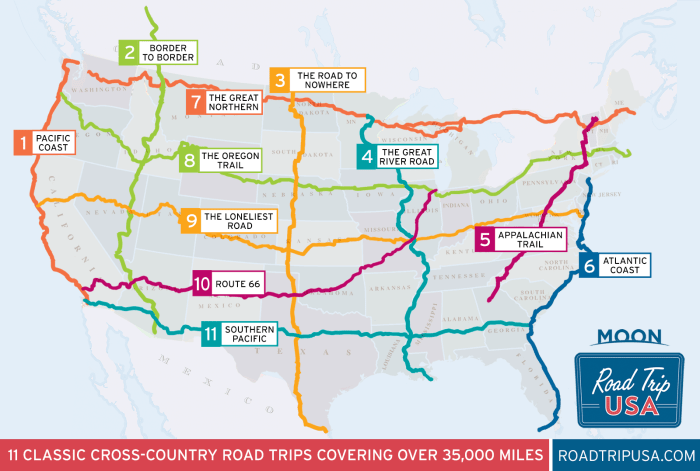
Cross-country road trips offer an unparalleled adventure, a chance to explore the vast landscapes and hidden gems of a nation. This journey isn’t merely about reaching a destination; it’s about the experiences along the way – the unexpected detours, the chance encounters, and the breathtaking scenery. From meticulous planning to embracing spontaneity, this guide delves into every aspect of crafting an unforgettable cross-country road trip.
We’ll cover essential planning stages, from budgeting and packing to route optimization and navigating unexpected challenges. We’ll explore diverse accommodation options, from budget-friendly motels to unique stays like yurts and treehouses, and suggest captivating activities that cater to various interests. Safety and emergency preparedness are also key components, ensuring a smooth and secure journey. Finally, we’ll compare alternative travel methods, helping you decide if a road trip is the right choice for your next adventure.
Planning the Cross-Country Road Trip
Embarking on a cross-country road trip requires meticulous planning to ensure a smooth and enjoyable journey. Careful consideration of factors like itinerary, budget, and packing is crucial for a successful adventure. This section details the essential planning steps for a memorable cross-country experience.
Sample Two-Week Cross-Country Itinerary
This itinerary focuses on a route from New York City to Los Angeles, offering a blend of iconic landmarks and scenic drives. Driving times are estimates and can vary depending on traffic and personal stops.
| Day | Location | Activities | Estimated Driving Time |
|---|---|---|---|
| 1-2 | New York City to Washington D.C. | Explore NYC, visit monuments in D.C. | 4-5 hours |
| 3-4 | Washington D.C. to Nashville, TN | Country Music Hall of Fame, explore Nashville’s music scene. | 10-12 hours |
| 5-6 | Nashville to Oklahoma City, OK | Visit the Oklahoma City National Memorial & Museum. | 7-9 hours |
| 7-8 | Oklahoma City to Santa Fe, NM | Explore Santa Fe Plaza, Georgia O’Keeffe Museum. | 8-10 hours |
| 9-10 | Santa Fe to Grand Canyon National Park, AZ | Hike along the rim, enjoy breathtaking views. | 6-8 hours |
| 11-12 | Grand Canyon to Las Vegas, NV | Explore the Las Vegas Strip, enjoy entertainment. | 4-5 hours |
| 13-14 | Las Vegas to Los Angeles, CA | Hollywood Walk of Fame, explore beaches. | 4-5 hours |
Cross-Country Road Trip Budget Breakdown
A realistic budget is vital to avoid unexpected financial strain. This breakdown considers average costs and can be adjusted based on your travel style and preferences. Prices are estimates and may vary depending on season and location.
| Category | Estimated Cost (per person, two weeks) |
|---|---|
| Fuel | $300 – $500 (depending on vehicle and gas prices) |
| Food | $500 – $800 (mix of restaurant meals and groceries) |
| Accommodation | $1000 – $2000 (mix of hotels, motels, and potentially camping) |
| Activities & Entrance Fees | $300 – $700 (depending on chosen activities) |
| Miscellaneous (souvenirs, tolls, etc.) | $200 – $400 |
| Total Estimated Cost | $2300 – $4400 |
Essential Packing List for a Cross-Country Road Trip
Proper packing ensures you’re prepared for any eventuality. This list categorizes essential items by necessity and type.A well-stocked first-aid kit is paramount. Include bandages, antiseptic wipes, pain relievers, and any personal medications. Navigation tools are crucial, even with GPS, considering potential connectivity issues. Maps and a reliable physical atlas are valuable backups.
- Essentials: Passport/ID, driver’s license, insurance information, credit cards, cash, phone charger, medications.
- Clothing: Comfortable shoes, layers of clothing suitable for varying climates, rain gear, swimwear (if applicable).
- Electronics: Phone, GPS device, portable charger, camera, headphones.
- Car Essentials: Spare tire, basic tools, jumper cables, flashlight, first-aid kit, emergency kit.
- Comfort & Convenience: Snacks, water bottles, travel pillow, blanket, books/entertainment.
Route Optimization and Navigation
Planning the optimal route for a cross-country road trip is crucial for a smooth and enjoyable journey. Effective navigation involves selecting the right tools, understanding their strengths and weaknesses, and employing strategies to maximize your experience while minimizing potential issues. This section will explore various aspects of route planning and navigation, providing practical advice for your trip.
Route Planning App and Website Comparison, Cross-country road trip
Several applications and websites offer route planning capabilities, each with its own set of features and limitations. Choosing the right tool depends on individual needs and preferences. For example, Google Maps offers comprehensive coverage, real-time traffic updates, and street view imagery, but its focus on speed might overlook scenic byways. Conversely, Roadtrippers prioritizes scenic routes and points of interest, potentially resulting in longer travel times.
AARP’s TripTik focuses on providing easy-to-read maps and considers driver age and needs. Each platform’s strengths and weaknesses should be carefully considered before selecting one for a cross-country journey.
Strategies for Finding Scenic Routes and Avoiding Highways
Avoiding major highways often leads to more scenic routes, but it also increases travel time. To balance scenic beauty with time constraints, consider utilizing mapping tools that allow for route customization. Many apps offer options to prioritize specific road types (e.g., secondary roads, state highways) or to avoid toll roads and interstates. Websites like Scenic America and the US Forest Service provide information on scenic byways and national park routes, offering inspiration for alternative routes.
Furthermore, exploring lesser-known state and county roads, while requiring more time for route planning, can uncover hidden gems and enhance the overall road trip experience. Remember to check road conditions and accessibility before committing to any route.
Effective GPS Navigation During Long Drives
Effective GPS navigation during long drives requires proactive planning and adaptability. Before embarking on the journey, download offline maps for areas with limited or no cellular service. Regularly check for traffic updates and consider alternative routes when encountering unexpected delays or road closures. Familiarize yourself with the GPS interface and its features, such as voice guidance customization, waypoint setting, and speed limit alerts.
In case of unexpected detours, utilize the GPS’s rerouting functionality and remain flexible with your itinerary. Having a printed map as a backup is also advisable, particularly in areas with poor cellular reception. Furthermore, regular breaks are essential for driver safety and well-being during extended driving periods.
Accommodation and Budget
Planning your accommodation is crucial for a successful cross-country road trip. Budgeting effectively for lodging significantly impacts your overall trip expenses. Choosing the right type of accommodation depends on your priorities, travel style, and, of course, your budget. This section explores various budget-friendly options and strategies for securing the best deals.
Budget-Friendly Accommodation Options
A range of lodging options cater to various budgets and preferences during a cross-country road trip. Consider these alternatives to expensive hotels to save money without sacrificing comfort.
- Camping: Camping offers the most budget-friendly option, allowing you to immerse yourself in nature while keeping costs incredibly low. National and state parks often provide affordable campsites with basic amenities. Remember to book in advance, especially during peak season.
- Hostels: Hostels provide a social and affordable alternative to hotels. They offer dorm-style rooms or private rooms at significantly lower prices. Hostels are a great way to meet fellow travelers and experience a more communal atmosphere.
- Motels: Motels, particularly those located off the main highways, are generally more affordable than hotels. They offer basic amenities like a bed, bathroom, and sometimes a small refrigerator. While not luxurious, they provide a clean and comfortable place to rest your head.
Vacation Rentals versus Hotels
Vacation rentals, such as those offered through Airbnb, and hotels both offer distinct advantages and disadvantages for road trippers.
| Feature | Vacation Rentals (e.g., Airbnb) | Hotels |
|---|---|---|
| Cost | Can be cheaper, especially for groups or longer stays; Cost can vary widely based on location and amenities. | Generally more expensive, especially for longer stays; Pricing often fluctuates based on demand and season. |
| Space and Amenities | Often offer more space and kitchen facilities, providing greater flexibility and potential cost savings on meals. | Offer standard rooms with limited space and amenities; Additional amenities often come at an extra cost. |
| Privacy | Provides greater privacy than shared hotel rooms. | Privacy can be limited depending on the type of room and hotel. |
| Location | Can be located in diverse areas, offering a more local experience. | Tend to be clustered in specific areas, often near major attractions or transportation hubs. |
Strategies for Finding the Best Deals
Securing the best deals on accommodation requires proactive planning and strategic searching.
- Loyalty Programs: Enrolling in hotel loyalty programs can provide discounts, free nights, and other perks. Many programs offer points that can be redeemed for future stays.
- Travel Websites and Apps: Websites and apps like Expedia, Kayak, Booking.com, and Priceline allow you to compare prices from multiple providers and often offer discounts or deals.
- Flexible Dates: Being flexible with your travel dates can significantly impact the price. Mid-week stays are often cheaper than weekend stays.
- Discount Codes and Coupons: Look for discount codes and coupons online or through travel publications. Websites like Groupon sometimes offer deals on hotels and vacation rentals.
- Negotiation: For vacation rentals, don’t hesitate to politely negotiate the price, especially for longer stays.
Activities and Sightseeing
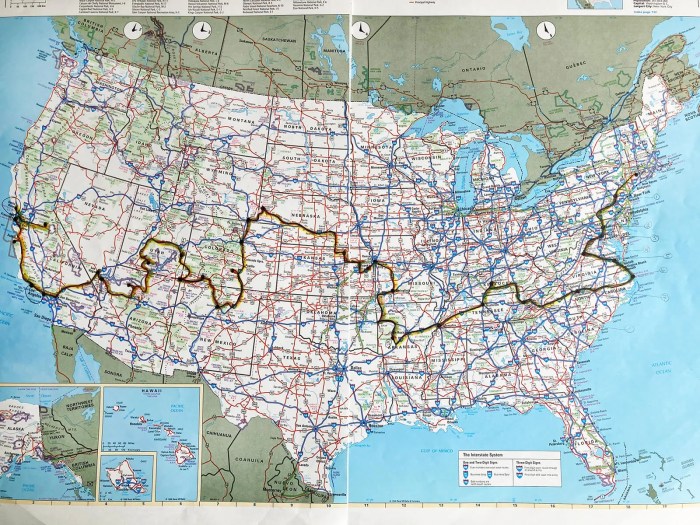
A cross-country road trip offers unparalleled opportunities for sightseeing and unique experiences beyond the typical tourist destinations. Careful planning can transform a journey into a memorable adventure filled with diverse activities and breathtaking scenery. This section focuses on maximizing the enjoyment of your trip by suggesting memorable roadside attractions, outlining a sample itinerary centered on national parks, and providing tips for budget-conscious exploration.
Unique Roadside Attractions and Activities
Numerous quirky and fascinating roadside attractions dot the American landscape, adding unexpected delights to any road trip. These attractions offer a glimpse into local culture and history, often providing a more authentic experience than major tourist sites. Consider these diverse options to enhance your journey.
- World’s Largest Ball of Twine (Cawker City, Kansas): A testament to human perseverance, this giant ball of twine is a truly unique roadside attraction, drawing visitors from around the globe. Imagine the dedication required to create such a monumental work of art.
- Carhenge (Alliance, Nebraska): A replica of Stonehenge constructed entirely from vintage cars, this quirky landmark offers a unique blend of art and Americana. The rusted metal and weathered paint create a captivating juxtaposition against the vast Nebraska landscape.
- Mystery Spot (Santa Cruz, California): This gravitational anomaly, or so it claims, offers a puzzling and entertaining experience. Visitors can witness seemingly impossible optical illusions, defying the laws of physics (or at least, our understanding of them).
- The Cadillac Ranch (Amarillo, Texas): Ten Cadillacs buried nose-first in the ground, painted in vibrant colors, this iconic roadside attraction is a must-see for any photographer or lover of quirky art installations. The vibrant colors pop against the vast Texas plains.
Sample National Park Itinerary: A Southwestern Adventure
This sample itinerary focuses on a Southwestern route, highlighting some of the most stunning national parks in the region. It emphasizes outdoor adventures and provides a framework that can be adapted to your interests and timeframe.
- Day 1-3: Zion National Park, Utah: Hike the iconic Angels Landing trail (permit required), explore the Emerald Pools, and enjoy the scenic drive through Zion Canyon.
- Day 4-6: Bryce Canyon National Park, Utah: Marvel at the otherworldly hoodoos and hike along the rim trail for breathtaking panoramic views. Consider a sunrise or sunset hike for optimal lighting.
- Day 7-9: Grand Canyon National Park, Arizona: Explore the South Rim, hike a portion of the Bright Angel Trail, and take in the awe-inspiring scale of this natural wonder. A mule ride down into the canyon offers a unique perspective.
- Day 10-12: Monument Valley Navajo Tribal Park, Arizona/Utah: Experience the iconic sandstone buttes and mesas, possibly with a guided jeep tour for a deeper cultural immersion. Consider a horseback riding tour for a more immersive experience.
Finding Free or Low-Cost Activities
Budget-conscious travelers can still enjoy a fulfilling cross-country road trip by seeking out free or low-cost activities. Many national forests and state parks offer free entry and stunning scenery. Local events and festivals often provide free entertainment.
- Hiking and Biking: Explore numerous national and state parks, forests, and trails for free. Pack your own food and water to save on costs.
- Picnics and Outdoor Games: Enjoy free recreation by bringing your own food and games to parks and scenic overlooks.
- Free Museums and Events: Many museums offer free admission days or evenings. Check local event listings for free concerts, festivals, and community events.
- Stargazing: Find a dark location away from city lights and marvel at the night sky. This is a truly free and awe-inspiring activity.
Transportation and Vehicle Maintenance
Choosing the right vehicle and ensuring its proper maintenance are critical for a successful cross-country road trip. The type of vehicle you select will significantly impact your comfort, fuel efficiency, and overall experience. Equally important is a thorough pre-trip inspection and a plan for handling potential mechanical issues along the way.Vehicle selection involves considering factors like budget, the number of passengers, desired level of comfort, and the types of terrain you’ll be traversing.
A well-maintained vehicle is paramount for a safe and enjoyable journey.
Vehicle Type Selection for Cross-Country Travel
The optimal vehicle depends heavily on individual preferences and trip specifics. SUVs offer a balance of space, comfort, and capability, suitable for various terrains. Sedans provide fuel efficiency and are comfortable for smaller groups. RVs offer unparalleled comfort and self-sufficiency but come with higher fuel consumption and maintenance costs. Motorcycles offer a thrilling experience but are less practical for long journeys with luggage or passengers.
- Cars (Sedans, Hatchbacks): Pros: Fuel efficiency, affordability, ease of parking. Cons: Limited cargo space, less comfortable for long drives, potentially less capable on rough terrain.
- SUVs (Sport Utility Vehicles): Pros: Good balance of space, comfort, and off-road capability. Cons: Higher fuel consumption compared to sedans.
- RVs (Recreational Vehicles): Pros: Maximum comfort, self-contained living space, ample storage. Cons: High fuel consumption, expensive to rent or own, difficult to maneuver in tight spaces.
- Motorcycles: Pros: Fuel efficiency, thrilling experience. Cons: Limited storage, weather vulnerability, safety concerns, unsuitable for multiple passengers or carrying large amounts of luggage.
Pre-Trip Vehicle Maintenance Checklist
A comprehensive pre-trip inspection is crucial to prevent unexpected breakdowns. This involves checking vital components and ensuring they are in optimal working condition. Neglecting this step could significantly impact your trip’s success and potentially lead to costly repairs or delays.
- Tire Pressure: Check and adjust tire pressure to the manufacturer’s recommended levels. Inspect tires for wear and tear, ensuring sufficient tread depth.
- Fluid Levels: Check engine oil, coolant, brake fluid, power steering fluid, and windshield washer fluid levels. Top off as needed, using the correct fluids.
- Battery: Test the battery’s voltage and ensure it’s properly charged. Inspect terminals for corrosion and clean if necessary.
- Lights and Signals: Verify that all headlights, taillights, brake lights, turn signals, and hazard lights are functioning correctly.
- Brakes: Check brake pads and rotors for wear. Ensure brake fluid levels are adequate and the braking system is responsive.
- Wipers and Washers: Replace worn wiper blades and ensure the washer fluid reservoir is full.
- Safety Inspection: Check all safety features, including seatbelts, airbags (if applicable), and emergency equipment (spare tire, jack, jumper cables).
Strategies for Dealing with Car Trouble During a Road Trip
Despite meticulous planning, car trouble can still occur. Being prepared for such eventualities can minimize disruption and ensure your safety. Having a plan in place before departure is crucial for mitigating stress and ensuring a timely resolution.
- Emergency Roadside Assistance: Subscribe to a roadside assistance program (e.g., AAA, Good Sam Club) that provides services like towing, tire changes, jump starts, and lockout assistance. Having their contact information readily available is crucial.
- Basic Repair Kit: Carry a basic repair kit including jumper cables, a tire pressure gauge, a spare tire (properly inflated), a jack, lug wrench, and basic tools.
- Communication Plan: Ensure you have a fully charged cell phone and consider a satellite communication device for areas with limited or no cell service. Inform someone of your travel plans and anticipated route.
- Emergency Contact List: Keep a list of emergency contacts, including roadside assistance providers, local mechanics, and family/friends.
Safety and Emergency Preparedness: Cross-country Road Trip
A cross-country road trip, while exciting, necessitates meticulous planning for unforeseen circumstances. Prioritizing safety and emergency preparedness is crucial for a smooth and enjoyable journey. Failing to adequately prepare can transform a dream vacation into a stressful ordeal. This section Artikels essential safety measures and provides a comprehensive emergency kit checklist.
Emergency Kit Checklist
A well-stocked emergency kit is your first line of defense against unexpected events. This kit should be readily accessible and contain items for various scenarios, from minor inconveniences to serious emergencies. Regularly check its contents to ensure everything is in good condition and replace expired items promptly.
- First-Aid Supplies: Bandages (assorted sizes), antiseptic wipes, gauze pads, adhesive tape, pain relievers (ibuprofen, acetaminophen), anti-diarrheal medication, antihistamines, motion sickness medication, tweezers, scissors.
- Tools: Jumper cables, flashlight with extra batteries, tire pressure gauge, tire repair kit or spare tire, basic toolkit (wrench, screwdriver, pliers), duct tape, rope.
- Communication Devices: Fully charged cell phone with car charger, portable charger, satellite communication device (consider for remote areas), emergency whistle.
- Other Essentials: Water bottles, non-perishable food items (energy bars, granola), blankets, map (paper map as a backup), reflective triangles or flares, gloves, work boots, basic tools for basic car repairs.
- Documents: Copies of driver’s license, registration, insurance information, emergency contact information, itinerary.
Driving Safety Tips for Long Distances
Driving long distances requires vigilance and proactive measures to combat fatigue and maintain alertness. Ignoring these factors can lead to accidents. Implementing these strategies significantly reduces risks.
- Plan Rest Stops: Schedule regular breaks every 2-3 hours to stretch your legs and rest your eyes. Avoid driving when overly tired.
- Share Driving Responsibilities: If possible, share driving duties with a passenger to prevent driver fatigue.
- Stay Hydrated and Well-Nourished: Dehydration and hunger can lead to fatigue. Consume plenty of water and healthy snacks throughout the journey.
- Avoid Distracted Driving: Put away your phone and avoid other distractions while driving. Focus solely on the road.
- Be Aware of Your Surroundings: Pay close attention to traffic conditions, weather patterns, and road signs.
Staying Safe in Unfamiliar Areas
Navigating unfamiliar territories necessitates heightened awareness and caution. Being prepared for potential risks minimizes the chance of negative experiences.
- Research Your Route: Familiarize yourself with the route beforehand, identifying potential hazards or areas of concern.
- Avoid Driving at Night in Unfamiliar Areas: If possible, avoid driving at night in areas you are not familiar with. Visibility is significantly reduced at night.
- Park in Well-Lit Areas: When parking, choose well-lit and populated areas to minimize the risk of vehicle break-ins or theft.
- Trust Your Instincts: If a situation feels unsafe, leave the area immediately.
- Inform Someone of Your Itinerary: Share your travel plans with a trusted friend or family member, including your route and expected arrival times.
Alternative Travel Methods
Choosing the best way to traverse the country depends heavily on your priorities: budget, time constraints, and desired travel experience. Flights, trains, and road trips each offer unique advantages and disadvantages. This section will compare these options, along with a look at cruise travel as a less conventional alternative.
Cross-Country Travel Method Comparison
The following table summarizes the key differences between flying, taking the train, and embarking on a road trip across the country. Costs are estimates and can vary significantly based on factors like the time of year, specific routes, and class of travel. Similarly, travel times are approximate and depend on chosen routes and potential delays.
| Method | Cost | Time | Experience |
|---|---|---|---|
| Flight | $300 – $800+ (round trip, depending on origin/destination and booking time) | 4-6 hours (direct flight) | Fast, efficient, but lacks scenic views and immersive experience. Limited interaction with the country being traversed. |
| Train | $200 – $600+ (one-way, depending on distance, class, and route) | 24-72+ hours (depending on distance and route) | Relaxing, scenic, allows for observation of the passing landscape. Offers a comfortable and often social travel experience. |
| Road Trip | $1000 – $3000+ (depending on vehicle type, fuel costs, accommodation, and activities) | 3-7+ days (depending on route and planned stops) | Highly flexible, allows for spontaneous exploration and personalized itinerary. Offers immersive cultural experiences and deep engagement with the landscape. |
Train Travel Resources
Planning a cross-country train journey requires research. Several resources can assist in this process. Amtrak’s website (www.amtrak.com) provides detailed schedule information, fare comparisons, and booking options for routes across the United States. Independent travel blogs and forums often feature firsthand accounts of train journeys, offering valuable insights into specific routes and potential challenges. Guidebooks focusing on rail travel can provide additional details on destinations and onboard amenities.
For example, a guidebook might highlight scenic routes along the coast or through mountain ranges, detailing points of interest visible from the train.
Cruise Ship Travel as an Alternative
While not a direct replacement for a cross-country road trip, a cruise can offer a unique alternative, particularly for those seeking a less land-based journey. Cruise itineraries often include coastal destinations, providing a glimpse into various regions along the coast. The experience is markedly different from a road trip, prioritizing relaxation and onboard activities over independent exploration. Pros include all-inclusive packages simplifying budgeting and eliminating the need for daily accommodation searches.
Cons include limited flexibility in itinerary changes and a more structured, less spontaneous travel experience compared to a road trip. Examples of cruise itineraries include those that traverse the Alaskan coastline, the Caribbean islands, or the Eastern Seaboard of the United States, offering varying degrees of sightseeing and cultural experiences.
Unique Accommodation Options
Choosing your lodging is a significant part of any road trip, and opting for unique accommodations can significantly enhance the overall experience. Beyond the standard hotel or motel, a wide variety of options exist, each offering a distinct atmosphere and level of comfort, catering to different travel styles and budgets. Consider these alternatives to create lasting memories.
Several unique lodging types offer memorable alternatives to traditional hotels. Each choice presents advantages and disadvantages depending on your priorities and travel style. Factors such as location, amenities, and cost should be carefully weighed against the desire for a distinctive experience.
Unique Lodging Types for Road Trip Travelers
Various unique accommodation options offer memorable stays during a cross-country road trip. The selection depends on individual preferences, budget, and the desired level of comfort and adventure.
- Treehouses: Offering a secluded and enchanting experience, treehouses provide a connection with nature. They are typically smaller and may lack some amenities found in hotels, but their unique charm and tranquil setting make up for it. Examples include the stunning treehouse resorts found in various national parks, offering incredible views and wildlife sightings. However, accessibility might be limited, and some may lack modern conveniences.
- Yurts: These circular, portable tents offer a blend of comfort and rustic charm. Many yurt accommodations are equipped with modern amenities like heating and electricity, making them a comfortable choice for all seasons. Yurts are often found in rural or scenic locations, providing a unique perspective of the landscape. Examples include yurt camps situated near national parks or on working ranches, offering access to outdoor activities.
- Cabins: Cabins range from rustic to luxurious, offering a balance of privacy and comfort. They are a popular choice for road-trippers seeking a peaceful retreat. Many cabins are located in scenic areas, offering easy access to hiking trails and other outdoor activities. Examples include cozy log cabins nestled in mountain ranges, or lakeside cabins offering water sports opportunities.
However, amenities and levels of comfort can vary significantly depending on the cabin.
Houseboats and Yachts for a Portion of the Journey
Incorporating a houseboat or yacht stay into a cross-country road trip offers a dramatically different experience, but careful consideration of logistical and practical aspects is crucial. This option is best suited for trips that incorporate waterways into the overall itinerary.
The appeal lies in the unique perspective and activities these options provide. Imagine waking up to stunning lake or ocean views, exploring secluded coves, and enjoying water-based recreation. However, challenges include navigating waterways, securing appropriate permits and licenses (if needed), and potentially higher costs compared to land-based accommodations. Furthermore, accessibility to land-based attractions may be limited during the houseboat/yacht portion of the trip.
For example, a houseboat trip on the Great Lakes could offer a unique perspective, but access to cities and towns along the route might require additional planning and transportation.
RV and Campervan Travel Compared to Traditional Lodging
RV and campervan travel offer flexibility and independence, allowing you to explore at your own pace and change plans easily. This contrasts with the fixed locations and schedules associated with hotels or vacation rentals.
The benefits include the freedom to travel spontaneously, saving on accommodation costs (potentially), and enjoying the convenience of having your “home” with you. However, drawbacks include the cost of purchasing or renting an RV/camper van, maintenance responsibilities, limited space, and potential difficulty finding suitable campsites or parking areas. For example, a family of four might find an RV more spacious than a campervan, but the larger size could present challenges in navigating narrow roads or finding suitable parking.
Conversely, a couple might find a campervan perfectly adequate, but lack of space for luggage might be a constraint.
Embarking on a cross-country road trip is more than just travel; it’s a transformative experience. This guide provides a comprehensive framework, equipping you with the knowledge and resources to plan, execute, and thoroughly enjoy your journey. Remember, the best road trips are often those that embrace the unexpected, allowing for spontaneity and serendipitous discoveries. So pack your bags, choose your route, and get ready for the adventure of a lifetime!
FAQ Corner
What is the ideal time of year for a cross-country road trip?
The best time depends on your route and preferences. Spring and fall generally offer pleasant weather and fewer crowds than summer.
How much should I budget for a cross-country road trip?
Costs vary greatly depending on your travel style and duration. A rough estimate could range from $2,000 to $10,000 or more.
What are some essential apps for a road trip?
Navigation apps (Google Maps, Waze), gas price comparison apps (GasBuddy), and accommodation booking apps (Booking.com, Airbnb) are highly recommended.
How do I handle car trouble during a road trip?
Carry an emergency kit, inform someone of your itinerary, and have roadside assistance readily available. Knowing basic car maintenance can also be helpful.


