
Best vacation spots for pets: Planning a getaway with your furry friend shouldn’t be stressful. This guide explores diverse options, from serene beaches to adventurous mountain trails and vibrant cityscapes, ensuring a memorable experience for both you and your pet. We’ll delve into practical tips for travel, accommodation choices catering to various budgets and pet needs, and essential safety considerations to guarantee a smooth and enjoyable vacation.
Whether you’re dreaming of sun-kissed beaches, breathtaking national parks, or exploring bustling city streets, we’ll cover various transportation methods, pet-friendly accommodations, and activities to make your next trip with your beloved pet truly exceptional. Discover the best destinations and tips for creating unforgettable memories together.
Best Overall Vacation Spots for Pets: Best Vacation Spots For Pets
Planning a vacation that includes your beloved pet requires careful consideration. Finding a destination that caters to both your needs and your furry friend’s can be a challenge, but with a little research, you can discover many wonderful locations that welcome pets with open arms (and open spaces!). This section highlights ten top-rated pet-friendly vacation spots, focusing on their unique amenities and accessibility features.
Top Ten Pet-Friendly Vacation Destinations
Choosing the perfect pet-friendly vacation spot depends on your pet’s needs and your preferred travel style. Below is a table outlining ten excellent options, categorized by their amenities, activities, and approximate cost range. Note that cost ranges are estimates and can vary depending on the season and specific accommodations.
| Destination | Pet Amenities | Activities | Cost Range |
|---|---|---|---|
| Bar Harbor, Maine | Pet-friendly hotels, dog parks, pet sitters | Hiking, scenic drives, exploring Acadia National Park (on leash) | $$$ |
| Asheville, North Carolina | Numerous pet-friendly restaurants, breweries with outdoor seating, dog walking services | Hiking in the Blue Ridge Mountains, exploring downtown Asheville, visiting breweries | $$ |
| San Diego, California | Dog-friendly beaches, numerous pet-friendly hotels and restaurants, pet boutiques | Beach walks, exploring Balboa Park, visiting the San Diego Zoo (check pet policies) | $$$ |
| Sedona, Arizona | Pet-friendly hotels, hiking trails, pet-sitting services | Hiking amidst stunning red rock formations, exploring shops and art galleries in Uptown Sedona | $$ |
| Outer Banks, North Carolina | Pet-friendly beaches, many vacation rentals welcome pets, pet supply stores | Beachcombing, swimming (check for designated pet-friendly areas), exploring lighthouses | $$ |
| Lake Tahoe, California/Nevada | Pet-friendly hotels, cabins, and resorts, many trails suitable for dogs | Hiking, biking, scenic drives, exploring Lake Tahoe’s shores | $$$ |
| Yellowstone National Park, Wyoming, Montana, Idaho | Designated pet-friendly areas within the park, pet-friendly lodging options outside the park | Scenic drives, short walks on designated trails, wildlife viewing (from a distance) | $$-$$$ |
| Portland, Oregon | Numerous dog parks, pet-friendly restaurants and breweries, many pet supply stores | Exploring the city’s many parks and gardens, visiting Powell’s City of Books | $$ |
| Charleston, South Carolina | Pet-friendly hotels, carriage rides (some allow small, well-behaved dogs), pet boutiques | Walking tours of the historic district, exploring Waterfront Park, relaxing on the beach | $$ |
| Napa Valley, California | Pet-friendly wineries (many with outdoor seating), pet-sitting services, pet-friendly hotels | Wine tasting (check pet policies), exploring vineyards, scenic drives | $$$$ |
Accessibility Features for Pets with Varying Mobility Needs
Many of the destinations listed above offer accessibility features suitable for pets with mobility issues. For example, Bar Harbor, Maine, boasts many paved trails suitable for wheelchairs and strollers, making it easier for pets with limited mobility to enjoy the scenery. Similarly, many pet-friendly hotels in San Diego and Asheville offer ground-floor rooms or accessible entrances to minimize stairs and ramps.
Always contact your chosen destination directly to inquire about specific accessibility features for your pet.
Pet Owner Anecdotes
Here are three anecdotes from pet owners who enjoyed positive experiences at pet-friendly destinations:
Anecdote 1: “Our aging golden retriever, Buddy, loved his trip to Asheville! The many paved walkways and gentle slopes in the city made it easy for him to explore, and we found numerous pet-friendly restaurants where he could relax with us. He especially enjoyed the scenic drives through the Blue Ridge Mountains!”
-Sarah M.
Anecdote 2: “We took our chihuahua, Coco, to the Outer Banks, and she had a blast! The wide, sandy beaches were perfect for her to run around, and we found many pet-friendly rentals that were comfortable and accommodating. It was a truly relaxing vacation for both of us.”
-John B.
Anecdote 3: “Yellowstone was an incredible experience, even with our senior dog, Max. While he couldn’t hike the longer trails, we found plenty of shorter, accessible paths near the visitor centers. Seeing the geysers and wildlife from a safe distance was a highlight for both of us.”
-Emily S.
Pet-Friendly Beaches and Coastal Destinations
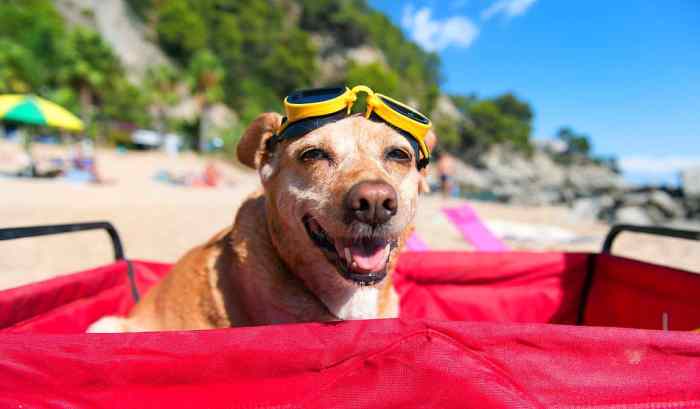
Planning a beach vacation with your furry friend? Many coastal areas welcome pets, offering a fantastic opportunity for both you and your animal companion to enjoy the sand, surf, and sea air. However, it’s crucial to understand the specific regulations and potential challenges involved in bringing your pet to the coast. Careful planning and preparation will ensure a safe and enjoyable trip for everyone.
Pet-Friendly Beaches: Examples and Considerations
Choosing the right beach is paramount for a successful pet-friendly vacation. Several beaches across the globe are renowned for their welcoming atmosphere towards pets, but always check local ordinances before your visit as regulations can change. Below are five examples, but thorough research specific to your chosen destination is vital.
- Coronado Beach, California, USA: Known for its wide expanse of sand and generally relaxed leash laws (though always check for current regulations), Coronado Beach offers ample space for dogs to run and play. Water safety is important, however; strong currents can be present, so supervision is essential.
- Dog Beach, Huntington Beach, California, USA: This dedicated dog beach provides an off-leash area for canine companions, allowing them to socialize and enjoy the water freely. However, it’s important to be mindful of other dogs and ensure your pet is well-behaved and under control. Always keep an eye out for potential hazards like sharp objects or strong waves.
- Clearwater Beach, Florida, USA: Sections of Clearwater Beach welcome well-behaved dogs on leash. This beautiful beach offers stunning views and plenty of space for walking, but the busy nature of the beach requires responsible pet ownership and careful attention to potential crowds and traffic.
- Virginia Beach, Virginia, USA: While not an entirely off-leash beach, certain designated areas of Virginia Beach allow dogs on leash, providing a pleasant coastal experience. Check the city’s website for specific rules and designated areas. Always be mindful of potential hazards like jellyfish or other marine life.
- Pooches on the Prom, Blackpool, England: This section of Blackpool’s promenade offers a designated dog-friendly area, providing a fantastic opportunity for a coastal walk with your canine companion. Leash laws are generally enforced, and owners should be aware of potential hazards like busy walkways and traffic.
Challenges of Coastal Travel with Pets and Solutions, Best vacation spots for pets
Traveling with pets to coastal areas presents unique challenges. Addressing these proactively ensures a smoother and safer trip.
- Heat and Sun Exposure: Coastal areas can be incredibly hot and sunny. Solution: Provide plenty of shade, fresh water, and consider applying pet-safe sunscreen. Avoid prolonged sun exposure during peak hours.
- Sand and Saltwater Irritation: Sand and saltwater can irritate your pet’s paws and skin. Solution: Rinse your pet’s paws thoroughly with fresh water after beach time and consider using paw balm to protect against dryness and irritation. A quick rinse after swimming is also advisable.
- Marine Life Hazards: Jellyfish, sharp shells, and other marine life can pose risks. Solution: Supervise your pet closely at all times, especially near the water’s edge. Be aware of potential hazards and remove any debris from your pet’s fur or paws immediately.
- Crowds and Noise: Beaches can be crowded and noisy, which can stress pets. Solution: Choose less crowded times to visit or consider quieter, less popular beaches. Ensure your pet has a comfortable space to retreat to if they become overwhelmed.
- Transportation: Getting your pet to and from the beach safely requires planning. Solution: Use appropriate pet carriers or harnesses during travel, and ensure your pet is secure in the vehicle.
Beach Trip Checklist for Pet Owners
A well-prepared checklist ensures a smooth and safe beach trip for both you and your pet.
- Identification Tags and Microchip: Ensure your pet is properly identified in case they get lost.
- Leash and/or Harness: Essential for controlling your pet, especially in crowded areas.
- Food and Water Bowls: Provide fresh water throughout the day, especially in hot weather.
- Pet Food: Bring enough food for the duration of your trip.
- Poop Bags: Clean up after your pet responsibly.
- Towels: Dry your pet after swimming or getting wet.
- First-Aid Kit: Include items to treat minor injuries or illnesses.
- Sunscreen (pet-safe): Protect your pet’s skin from sunburn.
- Paw Balm: Soothe and protect paws from sand and saltwater.
- Toys and Games: Keep your pet entertained.
Mountain and National Park Adventures with Pets
Exploring the majestic landscapes of national parks and mountain regions with your furry companion can create unforgettable memories. Careful planning and preparation, however, are crucial to ensure both your safety and your pet’s well-being during these adventures. This section details some ideal locations, emphasizes safety precautions, and provides a sample itinerary for a memorable trip.
Ideal National Parks and Mountain Regions for Hiking with Pets
Choosing the right location is paramount for a successful hiking trip with your pet. Consider your pet’s breed, age, and fitness level when selecting trails. The following table Artikels five locations known for their pet-friendly trails, offering a range of difficulty levels and amenities.
| National Park/Mountain Region | Trail Difficulty | Pet-Friendly Facilities | Notes |
|---|---|---|---|
| Great Smoky Mountains National Park (North Carolina/Tennessee) | Easy to Moderate (many options) | Numerous paved trails, water sources, and picnic areas. | Check for tick and bear safety guidelines. |
| Rocky Mountain National Park (Colorado) | Moderate to Difficult (altitude considerations) | Limited paved trails, water sources available at some trailheads. | High altitude can affect pets; acclimatize gradually. |
| Grand Teton National Park (Wyoming) | Moderate to Strenuous (steep inclines) | Some paved sections near visitor centers, limited water sources on trails. | Be aware of wildlife (bison, elk). |
| Acadia National Park (Maine) | Easy to Moderate (coastal trails) | Paved carriage roads, many easily accessible areas. | Check tide times for coastal trails. |
| Shenandoah National Park (Virginia) | Easy to Moderate (Skyline Drive access) | Many overlooks with easy access from Skyline Drive, picnic areas. | Be mindful of the heat, especially during summer months. |
Pet Safety in Mountainous Terrain
Mountainous terrain presents unique challenges for pets. Altitude sickness, heat exhaustion, and exposure to wildlife are significant concerns. Proper preparation and vigilance are essential to ensure your pet’s safety.
Practical Tips for Pet Owners Hiking in Mountains
Prioritize your pet’s health and safety by: carrying plenty of water, providing shade breaks during hot weather, using a well-fitting harness and leash, being aware of potential hazards like steep drop-offs and loose rocks, and cleaning up after your pet. Always check the weather forecast before heading out and adjust your plans accordingly. Familiarize yourself with local wildlife and take precautions to avoid encounters.
Consider pet first-aid training and carry a basic pet first-aid kit.
Sample Three-Day Hiking Itinerary: Great Smoky Mountains National Park
This itinerary focuses on easy to moderate trails suitable for most dogs. Remember to adjust based on your dog’s fitness level and the weather conditions.Day 1: Easy walk along Gatlinburg Trail (paved, 3.2 miles roundtrip, approximately 1.5 hours). This offers a gentle introduction to the park and allows your dog to acclimatize.Day 2: Moderate hike on Andrews Bald Trail (3 miles roundtrip, approximately 2-3 hours).
This trail offers stunning views and relatively gentle inclines.Day 3: Easy hike to Laurel Falls (2.6 miles roundtrip, approximately 1.5-2 hours). This popular trail leads to a beautiful waterfall, offering plenty of opportunities for photos and exploration. Note that some sections may be rocky and uneven.
City Breaks with Your Pet
City breaks offer a fantastic opportunity to explore new cultures and cuisines, and thankfully, many major cities are becoming increasingly welcoming to four-legged friends. This section will compare three cities renowned for their pet-friendly amenities and activities, highlighting their strengths and weaknesses for traveling with your pet. We’ll then delve into a specific city, providing a list of pet-friendly establishments and practical advice on navigating public transport with your furry companion.
Choosing a city for a pet-friendly getaway requires careful consideration. Factors such as access to green spaces, pet-friendly accommodation options, and the availability of pet-friendly transportation are crucial. While many cities are improving their pet-friendly infrastructure, some still lag behind others in providing comprehensive services and welcoming attitudes.
Comparison of Three Pet-Friendly Cities
The following table compares three major cities known for their pet-friendly environments: London, New York City, and Paris. Each city offers unique advantages and challenges for pet owners.
- London, UK: London boasts extensive green spaces like Hyde Park and Regent’s Park, providing ample opportunities for dog walks. The city also has a good network of public transport, although some restrictions apply to pets. Many pubs and restaurants welcome well-behaved dogs, and numerous pet-friendly accommodations are available. However, the cost of accommodation and activities can be high.
- New York City, USA: New York City, while a bustling metropolis, offers numerous dog runs and parks, such as Central Park and Washington Square Park. The subway system has some restrictions on pets, but taxis are generally more accommodating. Many restaurants have outdoor seating areas that welcome dogs, and a wide range of pet-friendly hotels exist. The cost of living and travel in NYC is also generally high.
- Paris, France: Paris, with its charming streets and numerous parks like the Luxembourg Gardens and the Tuileries Garden, offers a picturesque backdrop for a pet-friendly vacation. Public transport has some restrictions on pets, but walking is often the preferred mode of transportation within the city. Many cafes and restaurants have outdoor seating where dogs are welcome, although the number of explicitly pet-friendly establishments may be fewer than in London or New York.
While Paris offers a unique and charming experience, it may require more planning for pet owners.
Pet-Friendly Restaurants and Cafes in London
London offers a wide variety of establishments that welcome pets. The following table lists ten examples, highlighting their pet-friendly features.
| Establishment Name | Pet-Friendly Features |
|---|---|
| The Churchill Arms | Large outdoor seating area, water bowls provided |
| The Jugged Hare | Dog-friendly pub with outdoor seating |
| The Drapers Arms | Traditional pub with a welcoming atmosphere for dogs |
| The Lamb & Flag | Historic pub with outdoor seating and a dog-friendly atmosphere |
| The Prince Arthur | Pub with a dedicated dog menu and outdoor seating |
| The Parcel Yard | Gastropub with outdoor seating and water bowls |
| Granger & Co. | Popular Australian-inspired cafe with outdoor seating |
| Gail’s Bakery | Many locations with outdoor seating welcoming to dogs |
| Coppa Club Tower Bridge | Unique restaurant with igloo-style dining and outdoor seating |
| Flat Iron Steak | Popular steakhouse with outdoor seating in some locations |
Using Public Transportation with a Pet in London
Navigating London’s public transport system with a pet requires careful planning and adherence to specific rules. Generally, small dogs and cats are permitted on the Tube (London Underground) and buses, provided they are in a carrier. Larger dogs are typically not allowed on the Tube, but they are permitted on buses if muzzled and on a lead. Overground trains have varying policies, so checking individual train operator guidelines is crucial.
Specific examples:
- Tube: Small dogs in carriers can travel on the Tube during off-peak hours. Avoid rush hour travel as it can be crowded and stressful for both you and your pet.
- Buses: Dogs on leads and muzzled are generally permitted on buses, though space may be limited during peak times.
- Overground Trains: Policies vary; check the specific train operator’s website before traveling.
Tips for using public transport with a pet in London:
- Use off-peak hours to avoid overcrowding.
- Always keep your pet on a lead and under control.
- Ensure your pet is comfortable and well-behaved.
- Consider using a carrier for smaller pets.
- Be prepared for potential delays or disruptions.
Transportation Options
Planning a vacation with your pet often involves navigating the complexities of pet transportation. Choosing the right method—and securing affordable travel—is crucial for a stress-free journey for both you and your furry friend. This section will Artikel key considerations for pet travel, focusing on air travel, and comparing it to other options.
Airfare for Pet Travel: Tips and Tricks
Securing affordable airfare for pet travel requires strategic planning and research. Several factors influence the final cost, including the pet’s size, the airline’s policies, and the time of year. Here are five tips to help you find the best deals:
- Book in Advance: Like human airfare, pet travel fares often increase closer to the departure date. Booking well in advance (ideally, several months before your trip) significantly improves your chances of finding lower prices and securing a spot on your desired flight.
- Be Flexible with Dates: Consider traveling during the off-season or on weekdays, as these periods generally offer cheaper fares compared to peak travel times and weekends.
- Compare Airlines: Not all airlines have the same pet policies or pricing structures. Research different airlines’ fees and restrictions to find the most cost-effective option. Some airlines may offer better deals or more pet-friendly policies than others.
- Consider Smaller Airports: Flights from smaller, less-busy airports may sometimes offer lower fares than those from major international hubs. This can be especially helpful for shorter flights.
- Utilize Airline Promotions: Keep an eye out for special promotions or discounts offered by airlines that might include pet travel. Signing up for airline newsletters or using flight comparison websites can help you identify these deals.
Pet Carrier Recommendations and In-Cabin vs. Cargo
Choosing the right pet carrier is essential for your pet’s safety and comfort during air travel. The type of carrier you choose will depend on your pet’s size and whether it will travel in the cabin or as cargo.For in-cabin travel, you’ll need a carrier that fits under the seat in front of you. These are usually smaller, soft-sided carriers.
For larger pets, cargo travel is necessary, requiring a sturdy, well-ventilated hard-sided crate that meets airline specifications. Always ensure the carrier is appropriately sized for your pet, allowing them to stand, turn around, and lie down comfortably. Check the airline’s specific requirements regarding carrier dimensions and materials.
Booking Pet-Friendly Flights
Booking a pet-friendly flight involves several steps. First, confirm the airline’s pet policy well in advance, as some airlines have restrictions on breeds or sizes. Next, book your flight, making sure to inform the airline about your pet’s travel needs during the booking process. This often involves providing your pet’s weight, breed, and health information. You’ll likely need to provide updated health certificates from a veterinarian, ensuring your pet is fit to travel.
Some airlines may require additional documentation, such as proof of vaccinations. Finally, confirm all details and make arrangements for your pet’s transportation to and from the airport.
Comparison of Pet Travel Options
Choosing the best transportation method depends on factors such as distance, your pet’s size and temperament, and your budget. The following table compares the costs and benefits of air, train, and car travel:
| Transport Type | Cost | Pros/Cons |
|---|---|---|
| Air Travel | High (varies greatly depending on distance, airline, and pet size; can include additional fees for in-cabin or cargo transport) | Pros: Fastest option for long distances. Cons: Can be stressful for pets, especially in cargo; expensive; requires careful planning and adherence to strict regulations. |
| Train Travel | Moderate (varies depending on distance and pet size; may involve additional fees) | Pros: Generally less stressful for pets than air travel; more spacious than a car for larger pets. Cons: Not available everywhere; slower than air travel; may have limited pet policies. |
| Car Travel | Low (primarily fuel costs and potential lodging expenses) | Pros: Most control over pet’s comfort and environment; allows for frequent breaks. Cons: Time-consuming for long distances; can be tiring for both pet and owner; requires careful planning for stops and overnight stays. |
Train Travel Guides for Pets
Taking your pet on a train journey can be a fantastic way to explore new places, offering a more relaxed and scenic alternative to driving. However, careful planning and preparation are essential to ensure a comfortable and stress-free experience for both you and your furry friend. This guide provides information on pet policies of major train companies, addresses potential challenges, and offers practical packing tips for a smooth journey.
Understanding the specific pet policies of different train companies is crucial before booking your trip. Regulations vary significantly, affecting the types of animals allowed, size restrictions, and required documentation. Failure to comply with these policies could result in travel being denied.
Pet Policies of Major Train Companies
Below is a comparison of pet policies for three major (hypothetical, for illustrative purposes) train companies. Remember to always check the most up-to-date information directly on the respective company’s website before your journey.
- Amtrak Express: Allows small dogs and cats in carriers under the seat. Larger animals are generally not permitted. Requires a non-refundable pet fee. Provides no specific amenities for pets.
- Railways United: Allows pets in designated areas, depending on the train and route. Size and weight restrictions apply. Requires a reservation for pet travel and an additional fee. Offers water bowls at designated pet areas.
- National Rail: Permits small dogs and cats in carriers or crates under the seat, subject to space availability. Larger animals may be permitted with prior arrangement and additional fees. No dedicated pet amenities are provided.
Challenges of Train Travel with Pets and Suggested Solutions
Train travel with pets presents unique challenges. Careful consideration and proactive measures are necessary to mitigate potential issues and ensure a pleasant journey for both you and your animal companion.
- Confinement: Prolonged periods of confinement in carriers can cause stress. Solution: Choose a carrier that is spacious and comfortable, allowing your pet to stand, turn around, and lie down comfortably. Consider bringing familiar toys and blankets to provide comfort and security.
- Noise and Movement: The noise and motion of the train can be unsettling for some pets. Solution: Familiarizing your pet with the carrier well in advance of the journey can reduce anxiety. Consider calming aids like pheromone sprays or calming treats (consult your vet).
- Potty Breaks: Limited opportunities for potty breaks can be a problem. Solution: Plan your journey around scheduled stops. Consider using absorbent pads within the carrier for emergencies. Walk your pet frequently at stations.
- Other Passengers: Not all passengers are comfortable around animals. Solution: Be mindful of other passengers and ensure your pet is well-behaved and does not disturb them. Keep your pet securely contained and under control at all times.
Packing List for Train Travel with a Pet
A well-prepared packing list ensures your pet’s comfort and safety throughout the journey.
- Comfortable carrier or crate (appropriately sized)
- Food and water bowls
- Sufficient food and water for the journey
- Leash and collar (with ID tags)
- Waste bags
- Absorbent pads (for accidents)
- Familiar toys and blankets
- Pet first-aid kit (including any necessary medications)
- Copies of vaccination records
- Pet travel documents (if required)
- Paper towels or cleaning wipes
Cruise Ship Reviews and Pet Policies
Cruising with your pet can be a wonderful experience, offering a unique vacation for both you and your furry friend. However, it’s crucial to understand the varying pet policies across different cruise lines before booking. Not all cruise lines allow pets, and those that do often have specific restrictions and requirements. This section provides a comparative analysis of pet policies for three major cruise lines, along with important considerations for a smooth and safe voyage.
Pet Policies of Three Major Cruise Lines
While many large cruise lines do not allow pets onboard, a small number do cater to pet owners. A thorough investigation of each line’s specific rules and regulations is essential, as policies can change. This section offers a generalized overview based on currently available information and should not be considered definitive. Always verify directly with the cruise line before booking.
We will examine hypothetical examples of three major cruise lines (referred to as Cruise Line A, B, and C for illustrative purposes) to highlight the differences in their pet policies.
| Cruise Line | Cabin Restrictions | Pet Amenities | Additional Notes |
|---|---|---|---|
| Cruise Line A (Hypothetical) | Only allows pets in specific suite categories. May have weight and breed restrictions. | Designated pet relief areas, pet waste disposal bags provided. | Requires a health certificate and may have additional fees. |
| Cruise Line B (Hypothetical) | Allows pets in a limited number of cabins across various categories. Strict weight limits. | No specific pet amenities beyond basic waste disposal. | Extensive veterinary documentation required. Limited number of pet-friendly sailings. |
| Cruise Line C (Hypothetical) | Does not currently allow pets onboard. | N/A | May consider pet-friendly policies in the future, but no current plans are available. |
Unique Considerations for Pet Travel on a Cruise Ship
Traveling with pets on a cruise ship presents unique challenges compared to land-based travel. Confined spaces, potential for seasickness, and the need for careful planning are key factors.Pet owners should ensure their pet is comfortable in a confined space. Adequate supplies of food, water, bedding, and toys are crucial. Consider bringing motion sickness medication for your pet, as rough seas can affect even the most resilient animals.
Familiarizing your pet with their carrier well in advance of the voyage can also minimize stress. Furthermore, understanding the ship’s layout and locating pet relief areas is important for a smooth trip.
Health and Safety Protocols for Pets on Cruise Ships
Cruise lines typically require comprehensive veterinary documentation, including proof of vaccinations and health certificates. These documents must meet specific requirements, often varying by destination. Pets may be subject to inspections upon boarding. It is crucial to thoroughly research and comply with all health and safety protocols to ensure a successful voyage. Failure to comply may result in your pet being denied boarding.
In addition to standard vaccinations, some destinations may require additional treatments or preventative medications. Consulting with a veterinarian experienced in international pet travel is highly recommended.
Ultimately, choosing the perfect vacation spot for your pet depends on your pet’s individual needs and your travel style. By carefully considering the factors discussed—from transportation and accommodation to activities and safety—you can plan a fantastic vacation that’s enjoyable for both you and your furry companion. Remember to prioritize your pet’s well-being throughout the journey and create lasting memories on your pet-friendly adventure!
Helpful Answers
What are some common health concerns for pets during travel?
Common concerns include motion sickness, dehydration, and exposure to new parasites or illnesses. Consult your veterinarian beforehand for preventative measures and necessary vaccinations.
How can I keep my pet calm during travel?
Pack familiar items like toys and bedding. Consider calming aids like pheromone sprays or supplements (always consult your vet first). Frequent breaks and gentle reassurance can also help reduce anxiety.
What if my pet gets lost during vacation?
Ensure your pet wears a collar with ID tags and consider a microchip. Take photos of your pet and keep their information readily accessible. Report any loss immediately to local authorities and animal shelters.
Are there any specific insurance considerations for pet travel?
Pet travel insurance can cover veterinary expenses, lost luggage, and even cancellations. Research different policies to find one that suits your needs and destination.


