
Best travel destinations for nature lovers: Escape the ordinary and immerse yourself in the breathtaking beauty of our planet. From towering mountains to pristine beaches, lush rainforests to arid deserts, this exploration unveils a curated selection of the world’s most captivating natural wonders, offering unique experiences for every adventurer. Prepare to be inspired by landscapes that will leave you breathless and memories that will last a lifetime.
This guide delves into the top ten destinations, categorized by nature type, offering insights into sustainable travel practices, budget-friendly tips, and diverse travel options including flights, trains, cruises, road trips, and unique accommodations. We’ll explore how to find the best deals, plan your itinerary effectively, and minimize your environmental impact, ensuring a responsible and rewarding journey.
Top 10 Nature Destinations
Nature’s breathtaking beauty offers unparalleled escapes for those seeking tranquility and adventure. From towering mountains to vibrant coral reefs, our planet boasts an incredible array of landscapes. This list highlights ten destinations renowned for their exceptional natural features, offering a diverse range of experiences for the discerning nature lover.
Top 10 Nature Destinations for Nature Lovers
Choosing the “best” is subjective, as individual preferences vary greatly. However, based on biodiversity, unique geological formations, and overall ecological significance, this list represents a diverse selection of globally acclaimed nature destinations.
| Rank | Destination | Description | Image Description |
|---|---|---|---|
| 1 | Galapagos Islands, Ecuador | A volcanic archipelago teeming with unique wildlife found nowhere else on Earth. Famous for its giant tortoises, marine iguanas, and diverse birdlife, it’s a living laboratory of evolution. | A panoramic view of volcanic rock formations, stark against a turquoise ocean. Marine iguanas bask on black rocks, while blue-footed boobies soar overhead, their vibrant blue feet a striking contrast against the dark landscape. The clear water reveals schools of fish swimming near the shore. |
| 2 | Amazon Rainforest, South America | The world’s largest rainforest, a vast expanse of unparalleled biodiversity. Home to countless plant and animal species, it plays a crucial role in global climate regulation. | An image depicting the dense, emerald green canopy of the rainforest, with shafts of sunlight piercing through the leaves. A vibrant array of exotic birds and monkeys are visible in the branches, while a sloth hangs languidly from a tree. The air is thick with humidity and the sounds of the jungle. |
| 3 | Yellowstone National Park, USA | Famous for its geysers, hot springs, and diverse wildlife, including bison, elk, and wolves. A testament to the power of geothermal activity. | Old Faithful geyser erupting, a plume of steam and water rising high into the air against a backdrop of snow-capped mountains. Bison graze peacefully in a nearby meadow, while steam rises from various hot springs, painting the landscape in hues of yellow and orange. |
| 4 | Great Barrier Reef, Australia | The world’s largest coral reef system, a vibrant underwater world teeming with marine life. A breathtaking spectacle of color and biodiversity. | An underwater view of the coral reef, showcasing a kaleidoscope of colors and textures. Schools of brightly colored fish swim amongst the coral, while sea turtles graze on the seagrass. Sunlight filters through the water, illuminating the vibrant scene. |
| 5 | Serengeti National Park, Tanzania | Known for its spectacular annual wildebeest migration, a breathtaking display of nature’s power and abundance. Home to a vast array of African wildlife. | A vast plain stretching as far as the eye can see, teeming with wildebeest, zebras, and other grazing animals. Lions rest in the tall grass, while vultures circle overhead. The sun sets, casting a golden glow over the landscape. |
| 6 | Antarctica | A pristine, icy continent, home to unique wildlife adapted to extreme conditions. A truly awe-inspiring and remote wilderness. | A vast expanse of ice and snow, stretching to the horizon. Penguins waddle along the shore, while icebergs float in the frigid waters. The sky is a brilliant blue, and the air is crisp and cold. |
| 7 | Yosemite National Park, USA | Famous for its towering granite cliffs, giant sequoia trees, and cascading waterfalls. A classic example of American wilderness. | El Capitan towering majestically over the valley floor, its granite face reflecting the sunlight. Yosemite Falls cascades down the cliff face, a ribbon of white water against the rugged landscape. Giant sequoia trees stand sentinel in the valley below. |
| 8 | Iguazu Falls, Argentina/Brazil | A series of stunning waterfalls, a breathtaking display of nature’s power and beauty. A truly unforgettable spectacle. | A panoramic view of the Iguazu Falls, a massive curtain of water cascading down the cliff face. The spray rises high into the air, creating a rainbow in the sunlight. Lush rainforest surrounds the falls, adding to their natural beauty. |
| 9 | New Zealand | A land of dramatic landscapes, from snow-capped mountains to fjords and geothermal areas. Offers a diverse range of outdoor activities. | A dramatic landscape of snow-capped mountains reflecting in a calm fjord. Waterfalls cascade down the mountainside, and lush green forests cover the valleys. The air is fresh and clean, and the scenery is breathtaking. |
| 10 | Iceland | A land of fire and ice, with glaciers, volcanoes, geysers, and stunning waterfalls. A unique and dramatic landscape. | A dramatic landscape of glaciers and volcanoes. A waterfall cascades down a cliff face into a glacial river. The air is crisp and clean, and the scenery is both beautiful and awe-inspiring. |
Nature Destination Categories
Classifying our top ten nature destinations allows for a more nuanced understanding of the diverse experiences available to travelers. By grouping locations based on their predominant natural features, we can highlight the unique activities and ideal visiting times associated with each type of environment. This categorization will provide a clearer picture of which destination best suits individual preferences and travel plans.
Mountain Destinations
Mountain destinations offer a range of activities depending on the season and the specific location. For example, the Himalayas in Nepal provide opportunities for trekking, mountaineering, and exploring Sherpa culture, while the Swiss Alps offer skiing, snowboarding, and scenic train journeys. The best time to visit mountain regions is generally during the summer months for trekking and hiking, and during the winter months for snow-based activities.
However, this varies considerably depending on altitude and specific location; some high-altitude regions may be inaccessible during certain times of the year due to snow or extreme weather conditions.
Coastal and Beach Destinations
Coastal destinations offer a different set of experiences, centered around the ocean and its surrounding ecosystems. The beaches of the Maldives, for instance, are known for their pristine sands, crystal-clear waters, and opportunities for snorkeling and diving. The coast of California provides a more diverse landscape, combining dramatic cliffs, sandy beaches, and redwood forests. The best time to visit coastal areas often depends on the weather patterns; tropical destinations are typically best visited during the dry season, while temperate regions may offer pleasant weather during spring and autumn.
Water temperatures also play a significant role in determining the best time for swimming and water sports.
Forest Destinations
Forest destinations immerse visitors in lush greenery and abundant wildlife. The Amazon rainforest in Brazil, for example, is renowned for its biodiversity and opportunities for jungle trekking, wildlife spotting, and river expeditions. The redwood forests of California offer a different experience, with towering trees and opportunities for hiking and exploring ancient ecosystems. The best time to visit many forest destinations is during the dry season, to avoid heavy rains and potential flooding.
However, some forests are best experienced during specific times of the year, such as during the autumn when the leaves change color.
Desert Destinations
Desert destinations offer a unique and challenging environment for exploration. The Sahara Desert in Morocco, for instance, offers opportunities for camel trekking, exploring ancient oases, and stargazing in the clear night sky. The Atacama Desert in Chile is known for its stark beauty, unique geological formations, and opportunities for observing celestial events. The best time to visit desert destinations is generally during the cooler months, to avoid extreme heat and potential dehydration.
Many desert areas experience very little rainfall, making most times of year suitable, provided visitors are prepared for the conditions.
Sustainable Travel in Nature Destinations
Sustainable and responsible tourism is paramount to preserving the natural beauty and biodiversity of our planet’s incredible destinations. The impact of mass tourism, if unchecked, can lead to environmental degradation, habitat loss, and the disruption of local communities. By adopting sustainable travel practices, we can minimize our negative footprint and ensure these breathtaking locations remain pristine for generations to come.
This involves a conscious effort to reduce our environmental impact and support local economies in a way that benefits both people and the planet.The principles of sustainable tourism emphasize minimizing environmental impact, respecting local cultures, and contributing to the economic well-being of host communities. This means making choices that prioritize conservation, reduce waste, and support businesses committed to ethical and sustainable practices.
Moving beyond simply visiting these locations, we become active participants in their preservation.
Eco-Friendly Travel Practices and Accommodations
Several strategies exist to ensure your travels have a minimal impact on the environment. Choosing eco-friendly accommodations is a crucial first step. Many hotels and lodges now boast certifications like LEED (Leadership in Energy and Environmental Design) or Green Globe, indicating their commitment to sustainability. These certifications often involve initiatives such as water conservation, renewable energy use, and waste reduction programs.
Examples of Sustainable Tourism in Top Destinations, Best travel destinations for nature lovers
The Galapagos Islands, known for their unique wildlife, offer a prime example of sustainable tourism. Many tour operators adhere to strict guidelines to minimize disturbance to the fragile ecosystem. These guidelines often include limitations on visitor numbers, designated landing sites, and educational programs emphasizing responsible wildlife viewing. Eco-lodges on the islands prioritize energy efficiency and waste management, often using solar power and composting facilities.
Similarly, in Costa Rica, renowned for its biodiversity, ecotourism is a significant part of the economy. Numerous eco-lodges are nestled within rainforests, offering immersive experiences while employing sustainable practices. These lodges often incorporate local building materials, utilize renewable energy sources, and support local communities through employment and purchasing local products. Finally, in the Amazon rainforest, sustainable tourism initiatives are crucial for protecting this vast ecosystem.
Community-based tourism projects empower local indigenous communities to manage and benefit from tourism while preserving their traditional ways of life and protecting the rainforest. These projects often involve responsible wildlife viewing, sustainable agriculture practices, and educational programs about the importance of rainforest conservation. Tourists can support these initiatives by choosing operators and accommodations that actively participate in such programs.
Flight Deals and Hacks for Nature Trips
Securing affordable flights is crucial for making your nature getaway a reality. Budget constraints shouldn’t limit your exploration of the natural world. By employing a few smart strategies and utilizing readily available resources, you can significantly reduce your airfare costs and allocate more funds to experiencing your chosen destination.Finding cheap flights requires a proactive approach and a bit of patience.
Several websites and techniques can help you navigate the complexities of airfare pricing and unearth hidden deals. This section Artikels practical tips and a step-by-step guide to mastering the art of affordable air travel.
Five Practical Tips for Finding Affordable Flights
These tips can help you save significantly on your airfare, enabling you to focus more on enjoying your nature-based adventure.
- Be Flexible with Your Travel Dates: Mid-week flights (Tuesdays and Wednesdays) and flights during the off-season are generally cheaper than weekend or peak-season travel. Consider traveling a day or two before or after peak dates to find substantial savings. For example, flying to Costa Rica during the shoulder seasons (April-May and September-October) will likely be cheaper than during the peak season (December-April).
- Utilize Flight Comparison Websites: Websites like Google Flights, Skyscanner, Kayak, and Momondo allow you to compare prices from various airlines simultaneously. These sites often offer features to track price changes and alert you to potential deals. For instance, Google Flights’ “Explore” feature lets you search for flights to various destinations within a specific budget and date range.
- Consider Budget Airlines: Budget airlines like Ryanair, EasyJet, and Southwest often offer significantly lower fares than traditional carriers. While they may have additional fees for baggage or seat selection, the base fare savings can be substantial, especially for shorter flights. For example, a flight from London to Dublin with Ryanair could be significantly cheaper than a comparable flight with British Airways.
- Book in Advance or at the Last Minute (Strategically): Booking well in advance (2-3 months) can sometimes secure better deals, but sometimes last-minute deals appear due to airlines needing to fill empty seats. Experiment with both strategies, and use price tracking tools to monitor changes.
- Clear Your Browser Cookies and Use Incognito Mode: Airlines and travel websites sometimes track your searches and may increase prices based on your browsing history. Clearing your cookies and using incognito mode can help prevent this.
Step-by-Step Guide to Using Flight Comparison Websites
Effectively using flight comparison websites is key to finding the best deals. This structured approach ensures you don’t miss any potential savings.
- Define Your Trip Parameters: Specify your origin and destination airports, desired travel dates (or date range for flexibility), and the number of passengers.
- Utilize Advanced Search Features: Most comparison websites offer advanced search filters. Use these to refine your search based on factors like airline preferences, number of stops, and flight duration.
- Compare Prices Across Multiple Websites: Don’t rely on a single website. Check several comparison sites to ensure you’re getting the best possible price. Prices can vary slightly across different platforms.
- Check Airline Websites Directly: Once you’ve identified a potential deal on a comparison website, it’s always a good idea to verify the price directly on the airline’s website. Sometimes, booking directly can offer additional benefits or avoid third-party fees.
- Read the Fine Print: Carefully review all fees and restrictions associated with the flight before booking. Pay attention to baggage allowances, cancellation policies, and any other terms and conditions.
Train Travel to Nature Destinations
Train journeys offer a unique perspective on the landscape, allowing for a slower, more immersive experience than air travel. The rhythmic chugging of the train, the changing scenery unfolding outside the window, and the opportunity to relax and observe contribute to a more tranquil and enjoyable journey. This is particularly appealing to nature lovers who wish to fully appreciate the beauty of their destination.
This section will highlight three exceptional train routes that lead to breathtaking natural wonders.
Scenic Train Journeys to Remarkable Nature Locations
Three particularly scenic train routes offer unforgettable journeys through stunning landscapes, leading to remarkable nature destinations. These journeys are not merely transportation; they are an integral part of the overall travel experience, adding to the adventure and enhancing the appreciation of the destination’s natural beauty.
- The Canadian: Toronto to Vancouver: This iconic cross-country route traverses diverse landscapes, from the rugged Canadian Rockies to the vast prairies. Highlights include the breathtaking views of the Rocky Mountains, passing through Banff and Jasper National Parks. Booking information can be found on VIA Rail’s website, with various classes of service available. Expect a journey of approximately 4 days and 3 nights.
- The Bernina Express: Chur to Tirano: This breathtaking Swiss train journey winds through the Swiss Alps, offering panoramic views of glaciers, snow-capped peaks, and picturesque villages. The route includes a dramatic descent through the Alps, showcasing a variety of landscapes. Bookings can be made through the Swiss Federal Railways (SBB) website, and various ticket options cater to different preferences. The journey takes approximately 4 hours.
- The Glacier Express: Zermatt to St. Moritz: Another Swiss marvel, the Glacier Express travels across the Swiss Alps, connecting two charming mountain resorts. The journey is renowned for its spectacular views of glaciers, valleys, and alpine villages. This route is renowned for its engineering prowess, navigating challenging terrain with ease. Reservations are highly recommended, and bookings can be made through the SBB website. The journey takes approximately 8 hours.
Train Travel versus Air Travel: Switzerland Example
Comparing train travel to Switzerland with flying illustrates the distinct advantages of each mode of transportation. Flying to Switzerland offers speed and efficiency, getting you to your destination quickly. However, the scenic beauty of the Swiss Alps is largely missed from the air. In contrast, a train journey through Switzerland, such as on the Bernina Express or Glacier Express, provides an immersive experience, allowing passengers to fully appreciate the stunning landscapes at a leisurely pace.
The journey itself becomes part of the holiday, adding to the overall experience. While the train journey takes longer, it compensates by offering unparalleled views and a more relaxing mode of travel. The choice ultimately depends on individual priorities, balancing travel time against the desire for a scenic journey.
Cruise Ship Reviews for Nature Enthusiasts
Choosing a cruise for a nature-focused vacation requires careful consideration of a line’s environmental commitment and the quality of its onboard experiences. This section provides reviews of three cruise lines known for their nature-centric itineraries, examining their sustainability efforts and the activities they offer.
Oceania Cruises: Environmental Practices and Onboard Activities
Oceania Cruises positions itself as a luxury line offering enriching experiences, including many nature-focused itineraries. Their environmental practices include partnerships with various conservation organizations and a focus on reducing waste onboard. They actively promote responsible tourism through educational programs and shore excursions emphasizing sustainable practices.
- Pros: High-quality onboard experiences, diverse itineraries focusing on natural wonders, strong commitment to sustainability through partnerships and waste reduction initiatives.
- Cons: Luxury pricing may be prohibitive for some, environmental impact of cruise ships in general remains a concern despite efforts to mitigate it.
National Geographic Expeditions: Environmental Practices and Onboard Activities
National Geographic Expeditions are renowned for their focus on expedition-style cruising, often visiting remote and ecologically significant areas. Their itineraries frequently include expert-led lectures, wildlife viewing opportunities, and excursions designed to minimize environmental impact. They prioritize responsible wildlife viewing practices and support conservation projects.
- Pros: Unparalleled access to remote locations, expert-led excursions and lectures providing enriching educational experiences, strong commitment to responsible tourism and conservation.
- Cons: Limited itineraries compared to larger cruise lines, higher price point reflecting the expertise and access provided, potential for disruption to delicate ecosystems despite best efforts.
Hurtigruten: Environmental Practices and Onboard Activities
Hurtigruten, operating along the Norwegian coast, offers a unique blend of cultural and natural experiences. They have made significant strides in environmental sustainability, including the introduction of hybrid-powered ships and a focus on reducing emissions. Their itineraries offer opportunities to witness stunning fjords, glaciers, and wildlife.
- Pros: Unique itineraries along the Norwegian coast, commitment to sustainable practices with hybrid-powered ships and emission reduction efforts, opportunities to explore diverse natural landscapes.
- Cons: Itineraries primarily focused on the Norwegian coast, some aspects of sustainability are still under development, weather dependent itineraries can sometimes lead to schedule changes.
Road Trip Guides for Nature Lovers
Embarking on a road trip offers unparalleled freedom and flexibility for nature enthusiasts, allowing for spontaneous exploration and immersion in diverse landscapes. This approach contrasts sharply with the structured itineraries of organized tours or the limitations of air travel, providing a unique perspective on the natural world. Careful planning, however, is crucial to maximize the experience and ensure a smooth journey.
Pacific Coast Highway Road Trip Itinerary: A Sample
This itinerary focuses on a segment of the iconic Pacific Coast Highway (Highway 1) in California, offering a blend of coastal beauty, redwood forests, and charming towns. The trip can be adjusted in length depending on available time.
Day 1-2: San Francisco to Monterey/Carmel: Begin in San Francisco, exploring iconic landmarks before heading south along Highway 1. Enjoy breathtaking ocean views, stop at scenic overlooks like Bixby Bridge, and explore the charming towns of Monterey and Carmel-by-the-Sea. Activities could include whale watching tours (seasonal), exploring the Monterey Bay Aquarium, or simply relaxing on Carmel Beach.
Day 3-4: Big Sur: Drive through the dramatic Big Sur coastline, stopping at Pfeiffer Big Sur State Park to hike among giant redwood trees. Consider a visit to McWay Falls in Julia Pfeiffer Burns State Park for stunning waterfall views. Enjoy the solitude and dramatic cliffs along this iconic stretch of Highway 1. Camping options abound for those seeking a more immersive experience.
Day 5-6: San Simeon to Santa Barbara: Continue south, visiting Hearst Castle, a historical landmark with stunning architecture and gardens. Enjoy the scenic drive along the coast, stopping at various beaches and viewpoints. Santa Barbara offers a charming city experience with beautiful beaches and Spanish architecture, a perfect end point for this leg of the journey.
Advantages and Disadvantages of Road Trips for Nature Enthusiasts
Road trips offer significant advantages for nature lovers. The primary benefit is the freedom to explore at your own pace, stopping at unexpected sights and detours that capture your interest. This spontaneous exploration allows for deeper engagement with the natural environment. Furthermore, road trips often offer access to remote areas not easily reachable by other means of transportation, leading to unique and secluded nature experiences.
Finally, the journey itself becomes part of the experience, fostering a deeper connection with the landscapes traversed.However, road trips also present challenges. Driving long distances can be tiring, and the constant movement can detract from the relaxation often sought in nature getaways. The cost of gas, accommodation, and potential vehicle maintenance can be significant, potentially exceeding the cost of other travel options.
Furthermore, reliance on a personal vehicle limits spontaneous changes in plans and requires careful consideration of weather conditions and potential road closures. Lastly, environmental impact should be considered, with the carbon footprint of a road trip potentially exceeding that of other forms of transport.
Budget Accommodation Tips for Nature Trips: Best Travel Destinations For Nature Lovers
Planning a nature escape shouldn’t break the bank. Finding affordable yet comfortable accommodation is key to enjoying your trip without compromising on the experience. This section offers practical tips and examples to help you secure budget-friendly lodging near your chosen nature destinations.Finding affordable accommodation near stunning natural landscapes doesn’t require sacrificing comfort. By employing smart strategies and utilizing available resources, you can significantly reduce your lodging costs, allowing you to allocate more of your budget to exploring nature’s wonders.
Utilizing Online Booking Platforms for Best Deals
Online travel agencies (OTAs) like Booking.com, Expedia, and Kayak offer powerful search tools and comparison features. Effective use involves specifying your desired location, dates, and budget, then sorting results by price. Pay close attention to reviews, focusing on comments about cleanliness, location convenience, and overall value. Consider using the “price calendar” feature to identify the cheapest dates within your flexible travel window.
Remember to check for any hidden fees or taxes before booking. For example, searching for a cabin near Yosemite National Park on Booking.com in the off-season might reveal significantly lower prices compared to peak season. Furthermore, using price comparison websites allows you to see which platform offers the lowest overall cost, including taxes and fees.
Exploring Budget-Friendly Accommodation Options
Several accommodation types offer significant cost savings compared to traditional hotels.
- Hostels: Hostels provide dorm-style rooms and private rooms at significantly lower prices than hotels. Many hostels are located in convenient locations near nature trails and transportation hubs. For example, many hostels near national parks offer shared kitchens and common areas, fostering a social atmosphere and opportunities to meet fellow travelers.
- Camping: Camping is arguably the most budget-friendly option, offering a truly immersive nature experience. National and state parks often have designated campgrounds with varying levels of amenities, from basic tent sites to RV hookups. Remember to book campsites in advance, especially during peak season.
- Vacation Rentals (Airbnb, VRBO): Platforms like Airbnb and VRBO offer a wider range of options than hotels, including cabins, cottages, and apartments. These can be more affordable than hotels, especially for groups or families. A family of four might find a cozy cabin near a national forest for less than the cost of two hotel rooms.
- Guesthouses and Bed and Breakfasts (B&Bs): Guesthouses and B&Bs often offer a more personal experience than larger hotels, with lower prices and unique local charm. These are frequently found in smaller towns near popular nature destinations.
- Farm Stays: Farm stays offer a unique opportunity to experience rural life while enjoying affordable accommodation. Many farms offer simple rooms or cabins in exchange for helping with chores, providing a cost-effective and immersive experience.
Leveraging Discounts and Deals
Many accommodation providers offer discounts for AAA members, senior citizens, students, or military personnel. Check for these discounts during the booking process. Additionally, consider signing up for email newsletters from your preferred booking platforms or accommodation providers to receive notifications about special offers and promotions. Websites like Groupon or LivingSocial sometimes feature discounted rates for hotels and other lodging options near nature destinations.
For instance, a last-minute deal on a hotel near a national park might offer significant savings if you are flexible with your travel dates.
Vacation Rentals and Airbnb for Nature Getaways
Choosing the right accommodation significantly impacts the overall experience of a nature-focused trip. While hotels offer convenience, vacation rentals and Airbnbs often provide a more immersive and personalized connection with the surrounding environment. This section explores the unique advantages of opting for these alternatives for your next nature getaway.Vacation rentals and Airbnbs offer a diverse range of options, allowing for a tailored experience beyond the standardized offerings of hotels.
Many properties boast features that enhance the connection with nature, from private balconies with breathtaking views to outdoor spaces perfect for relaxation and stargazing. The increased space and amenities often available in these rentals contribute to a more comfortable and enjoyable stay.
Unique Vacation Rental Examples
Several platforms showcase remarkable properties nestled within stunning natural landscapes. Consider, for example, a secluded cabin nestled deep within a Redwood forest in California. Imagine waking up to the sound of birdsong and the scent of pine, with expansive windows offering panoramic views of the towering trees. The cabin might feature a wood-burning stove, a private deck, and access to hiking trails directly from the property.
Alternatively, a beachfront bungalow in the Caribbean could offer direct access to pristine sands and turquoise waters, complete with a private patio for enjoying the sunset and the sounds of the ocean waves. Another possibility is a rustic farmhouse in Tuscany, Italy, surrounded by rolling vineyards and olive groves, with a private pool and outdoor kitchen for enjoying al fresco meals.
These examples highlight the diversity of experiences available through vacation rentals.
Vacation Rentals versus Hotels: A Comparison
The choice between a vacation rental and a hotel hinges on individual priorities and travel styles. Hotels typically offer a consistent level of service and amenities, such as daily housekeeping and readily available assistance. However, they often lack the personalized touch and space found in vacation rentals. Vacation rentals, on the other hand, provide greater privacy, more space, and the opportunity to create a home-away-from-home atmosphere.
They are often equipped with kitchens, allowing for cost savings by preparing some meals, and providing more flexibility in terms of mealtimes and dining options. This increased flexibility is particularly beneficial for nature enthusiasts who may want to spend more time exploring the surrounding area without the constraints of hotel meal schedules. The trade-off is that vacation rentals may require more self-sufficiency in terms of cleaning and maintenance.
Hotel Reviews and Tips for Nature Travelers
Choosing the right hotel can significantly enhance your nature travel experience. The ideal accommodation complements the surrounding environment, offering both comfort and a commitment to sustainability. This section provides reviews of three hotels known for their eco-friendly practices and proximity to stunning natural landscapes, along with helpful tips for selecting your own nature-friendly hotel.
Hotel Reviews: Eco-Friendly Accommodations
The following table summarizes reviews of three hotels renowned for their commitment to environmental responsibility and their exceptional locations within natural settings. These reviews consider factors such as sustainability initiatives, amenities, and overall guest experience.
| Hotel Name | Location | Eco-Friendly Features | Overall Rating |
|---|---|---|---|
| The Lodge at Woodloch | Hawley, Pennsylvania, USA | Sustainable building practices, locally sourced food, extensive recycling program, commitment to water conservation, electric vehicle charging stations. | 4.8/5 |
| Costa Rica’s Pacuare River Lodge | Turrialba, Costa Rica | Remote location accessible only by horseback or raft, minimizing environmental impact; solar power; use of local materials in construction; commitment to community development and conservation. | 4.7/5 |
| The Brando | Tetiaroa, French Polynesia | Completely self-sufficient in terms of energy (solar power), water (desalination), and waste management; focus on preserving the atoll’s ecosystem; strong commitment to sustainability and conservation initiatives. | 4.9/5 |
Tips for Choosing Eco-Friendly Hotels
When selecting a hotel for your nature-focused trip, consider these key factors to ensure your stay aligns with your commitment to sustainable travel. Prioritizing these elements contributes to minimizing your environmental footprint and supporting responsible tourism practices.
Look for hotels that actively promote eco-friendly practices. This might include certifications like LEED (Leadership in Energy and Environmental Design) or Green Globe, indicating a commitment to sustainability. Examine the hotel’s website for details on their sustainability initiatives. For example, look for information on water conservation efforts, waste reduction programs, and the use of renewable energy sources. Read online reviews to gauge the actual implementation of these initiatives from past guests’ perspectives.
Consider the hotel’s location and its impact on the surrounding environment. Choose accommodations that are easily accessible by public transportation or are within walking distance of natural attractions to minimize reliance on private vehicles. Avoid hotels located in fragile ecosystems or areas prone to environmental damage. Prioritize hotels that actively support local communities and conservation efforts, contributing to the well-being of the environment and the local population.
RV and Camper Travel for Exploring Nature
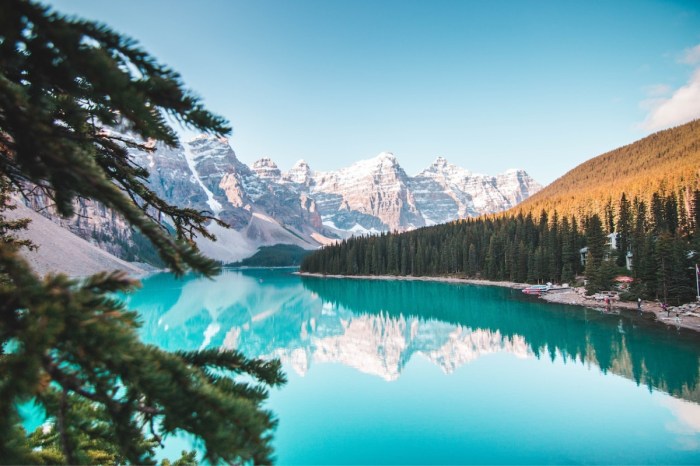
RV and camper van travel offers a unique and increasingly popular way to experience the natural world. It provides unparalleled freedom and flexibility, allowing you to immerse yourself in nature at your own pace. However, this mode of travel also presents certain challenges that potential travelers should carefully consider.RV and camper van travel offers significant advantages for nature enthusiasts.
The most obvious benefit is the ability to reach remote locations inaccessible by car, offering breathtaking views and secluded camping spots. This self-sufficient style of travel also minimizes reliance on hotels or other accommodations, reducing your environmental impact and offering a more intimate connection with nature. Furthermore, the flexibility to change plans on a whim is a major draw, allowing you to extend your stay in a particularly scenic area or move on quickly if the weather turns unfavorable.
The cost-effectiveness of cooking your own meals and having a built-in sleeping space also contributes to the appeal, especially for longer trips.
Advantages and Disadvantages of RV/Camper Van Travel
RV and camper van travel, while offering incredible freedom, also presents certain drawbacks. The initial investment in purchasing or renting an RV can be substantial, and ongoing maintenance costs, including fuel and repairs, can quickly add up. Driving and maneuvering a large RV can be challenging, particularly on narrow roads or in mountainous terrain. Furthermore, finding suitable campsites can be difficult, especially during peak season, and the lack of readily available amenities in remote locations necessitates careful planning and self-sufficiency.
Finally, the size and weight of an RV can limit access to certain areas and trails, and it’s important to be aware of weight restrictions and campsite regulations.
Essential Items for an RV/Camper Van Nature Trip
Careful preparation is key to a successful RV or camper van nature trip. A comprehensive checklist of essential items will ensure a smooth and enjoyable experience. Overlooking even a single item can significantly impact your comfort and safety. This checklist should encompass everything from basic necessities to specialized equipment depending on the nature of your trip and the chosen destinations.
- Navigation and Communication: GPS device, maps (paper and digital), satellite phone or two-way radio (for remote areas with limited cell service).
- Safety and First Aid: Comprehensive first-aid kit, emergency flares, tire repair kit, jumper cables, basic tools, bear spray (if applicable to the region).
- Cooking and Food Storage: Portable camping stove, cooking utensils, cooler, food storage containers, water filter or purification tablets.
- Sleeping and Comfort: Sleeping bags, pillows, bedding, camping chairs, portable table.
- Clothing and Footwear: Layered clothing suitable for various weather conditions, sturdy hiking boots, rain gear.
- Personal Items: Toiletries, medications, sunscreen, insect repellent, headlamp or flashlight.
- Vehicle Maintenance: Spare tire, oil, coolant, basic tools, owner’s manual.
- Entertainment: Books, games, music, downloaded movies (for areas with limited internet access).
Unique Stays and Treehouses
Stepping beyond the typical hotel room, unique accommodations offer an unparalleled connection with nature. These immersive experiences allow travelers to truly disconnect from everyday life and reconnect with the natural world, creating lasting memories. From elevated treetop havens to cozy yurts nestled amongst rolling hills, these alternative lodging options cater to a wide range of preferences and budgets.Choosing a unique stay enhances the overall travel experience, transforming a simple overnight stop into a memorable adventure.
These accommodations often provide amenities that are not found in traditional hotels, such as private hot tubs, fireplaces, or breathtaking views, further enhancing the connection with the surrounding environment.
Examples of Unique Nature Accommodations
The following examples showcase the diversity of unique stays available for nature enthusiasts. Each offers a distinct experience and caters to different preferences.
- Treehouse Point, Washington State, USA: This collection of whimsical treehouses offers stunning views of the surrounding forest. Each treehouse is individually designed, featuring unique architectural details and luxurious amenities. Guests can enjoy the tranquility of the forest while still having access to comfortable beds, private bathrooms, and stunning natural light.
- El Capitan Canyon, Santa Barbara, California, USA: This glamping resort offers a luxurious twist on camping, providing comfortable yurts and safari tents equipped with amenities such as electricity, private bathrooms, and cozy furnishings. Guests can enjoy various outdoor activities, including hiking, biking, and kayaking, all within the stunning Californian landscape.
- Montana Yurts, Montana, USA: Offering a range of yurts across different locations in Montana, this company provides a truly immersive experience in the vast Montana wilderness. The yurts themselves offer comfortable and spacious living areas, often with large windows providing breathtaking views of the surrounding mountains and plains. Guests can enjoy hiking, fishing, and wildlife viewing, all from the doorstep of their unique accommodation.
- Finca Bellavista, Costa Rica: Located in the rainforest, this eco-lodge offers a variety of unique accommodations, including treehouses and cabins. The focus is on sustainability and immersion in nature. Guests can participate in various eco-tours and activities, further enhancing their connection with the rainforest ecosystem.
- The Crane’s Nest, England: This unique treehouse is built into the canopy of a mature oak tree. It features a private balcony, providing stunning views of the surrounding countryside. The interior is designed to complement the natural environment, featuring natural materials and earthy tones. The focus is on seclusion and tranquility.
A Visual Representation of a Unique Stay
Imagine a luxurious yurt nestled on a secluded hillside overlooking a serene valley. The yurt, crafted from natural materials like canvas and wood, blends seamlessly with the surrounding landscape. Large, panoramic windows offer unobstructed views of rolling green hills dotted with wildflowers and majestic mountains in the distance. Inside, the yurt is furnished with comfortable, handcrafted furniture made from locally sourced wood.
A crackling fireplace provides warmth and ambiance on cooler evenings. Soft, natural lighting creates a calming atmosphere. A private deck extends from the yurt, offering a perfect spot to enjoy a morning coffee while watching the sunrise paint the sky with vibrant colors. The sounds of nature – birdsong, rustling leaves, and the gentle breeze – fill the air, creating a truly immersive and peaceful experience.
This is a place where one can truly disconnect from the everyday hustle and bustle and reconnect with the beauty of the natural world.
Ultimately, the best travel destination for a nature lover depends on individual preferences and priorities. Whether you seek adventure, relaxation, or cultural immersion, the diverse options highlighted in this guide offer a starting point for planning your unforgettable nature escape. Remember to prioritize sustainable travel practices to help preserve these incredible environments for future generations. Embrace the journey, respect the natural world, and create memories that will resonate for years to come.
Quick FAQs
What is the best time of year to visit the Amazon rainforest?
The dry season (June to November) is generally considered the best time to visit, offering less rainfall and easier trekking conditions.
Are there any safety concerns to consider when traveling to remote nature destinations?
Yes, always research specific safety guidelines for your chosen destination, including potential hazards like wildlife encounters, extreme weather, and local customs. Inform someone of your itinerary and expected return.
How can I minimize my environmental impact while traveling in nature?
Pack reusable water bottles and bags, support local eco-friendly businesses, avoid single-use plastics, respect wildlife, and choose sustainable transportation options whenever possible.
What type of clothing is recommended for nature travel?
Pack layers to adapt to changing weather conditions, comfortable walking shoes, insect repellent, sunscreen, and a hat. Consider quick-drying fabrics for humid climates.


