
Accessible travel agencies are revolutionizing the tourism industry, ensuring that everyone, regardless of ability, can experience the joy of travel. These agencies specialize in providing customized travel arrangements that cater to diverse needs, from wheelchair accessibility to assistance for visually or hearing-impaired travelers. They go beyond simply booking flights and hotels; they meticulously plan every aspect of the journey, ensuring a seamless and enjoyable experience for travelers with disabilities.
This involves coordinating accessible transportation, finding suitable accommodations, and offering expert advice on navigating various travel destinations.
Unlike traditional travel agencies, accessible travel agencies prioritize accessibility features and provide personalized support throughout the planning process. They work closely with clients to understand their specific requirements and preferences, ensuring that every detail is considered, from the type of aircraft seat to the accessibility of attractions at the destination. This dedication to inclusive travel makes a significant difference in allowing individuals with disabilities to explore the world with confidence and independence.
Defining Accessible Travel Agencies
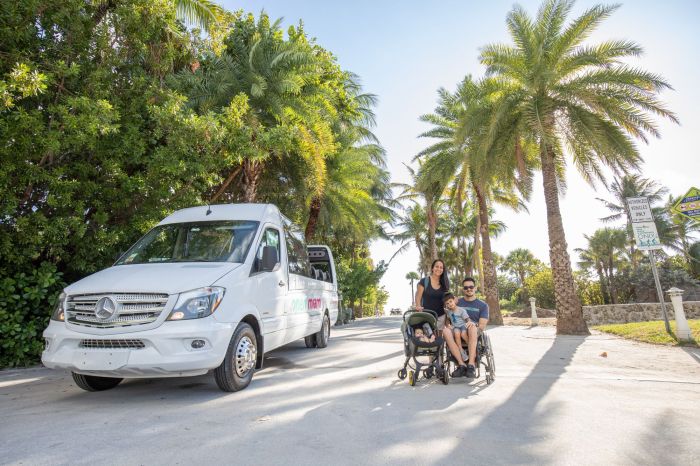
Accessible travel agencies are specialized businesses that cater to the needs of travelers with disabilities or other accessibility requirements. They go beyond the services of a typical travel agency, providing a more comprehensive and personalized experience designed to ensure a comfortable and enjoyable trip for everyone.Accessible travel agencies understand that travel can present unique challenges for individuals with varying needs.
Therefore, they offer a range of services tailored to overcome these challenges and facilitate seamless travel experiences. This commitment to inclusivity sets them apart from traditional agencies.
Services Offered by Accessible Travel Agencies
Accessible travel agencies provide a wide array of services designed to meet diverse accessibility needs. These services extend beyond basic travel arrangements, incorporating crucial elements for a truly accessible journey. This proactive approach ensures that travelers with disabilities can confidently explore the world.These services often include: locating accessible accommodations (hotels, cruises, etc. with features like ramps, roll-in showers, and appropriate room sizes), arranging accessible transportation (wheelchair-accessible vehicles, airport assistance, etc.), identifying accessible attractions and activities (museums, tours, etc.
with appropriate facilities and support), providing travel insurance that covers disability-related needs, offering pre-trip consultations to discuss individual requirements, and coordinating assistance with personal care attendants if needed. Many agencies also specialize in specific disability types, offering highly tailored services. For instance, an agency specializing in wheelchair travel would have extensive knowledge of accessible transportation options and accommodation features relevant to wheelchair users.
Comparison with Traditional Travel Agencies
The key difference between accessible and traditional travel agencies lies in their specialized knowledge and the depth of services offered. Traditional travel agencies may offer some assistance with accessibility needs, but they often lack the expertise and resources to fully address the complexities involved. Accessible travel agencies, conversely, possess a deep understanding of accessibility standards and regulations, possessing extensive networks of accessible accommodations and transportation providers.
They are equipped to handle the specific needs of travelers with disabilities, ensuring a smooth and stress-free travel experience. A traditional agency might book a flight and hotel, but an accessible agency would verify the accessibility of both and offer solutions if needed, perhaps suggesting an alternative hotel or arranging for wheelchair assistance at the airport.
Examples of Accessibility Features Offered
Different accessible travel agencies offer a variety of features tailored to different needs. For example, an agency specializing in visually impaired travel might provide detailed audio descriptions of destinations and itineraries, Braille maps, and assistance with navigation. An agency focusing on travelers with mobility impairments would prioritize accessible transportation options, including wheelchair-accessible vans or train carriages, and meticulously research hotels with appropriate accessibility features like ramps and elevators.
An agency specializing in travel for individuals with cognitive disabilities might provide simplified itineraries, visual aids, and additional support during the trip. These specialized approaches showcase the nuanced services offered by accessible travel agencies.
Types of Accessible Travel
Accessible travel caters to diverse needs, ensuring enjoyable and safe journeys for everyone. Understanding the specific requirements of different traveler groups is crucial for effective planning and service provision. This section details various types of accessible travel and their unique considerations.
Accessible travel encompasses a broad spectrum of needs, extending beyond wheelchair accessibility. It’s about creating inclusive travel experiences that accommodate individuals with a wide range of disabilities, including visual, auditory, and cognitive impairments.
Wheelchair Accessible Travel
Wheelchair users require careful consideration at every stage of their journey. This includes ensuring accessible transportation, accommodation with adequate space and features like roll-in showers, and accessible attractions and activities at their destinations. Travel agencies specializing in accessible travel provide assistance with booking wheelchair-accessible vehicles, arranging airport transfers with appropriate equipment, and confirming the accessibility of hotels and other venues.
They often pre-check locations to verify the accuracy of accessibility information provided by hotels and other services.
Visually Impaired Travel
Travel for visually impaired individuals necessitates a high level of support and detailed pre-planning. This involves providing clear and concise information in alternative formats like braille or large print, arranging assistance with navigation, and ensuring safe and comfortable transportation. Audio descriptions of destinations and landmarks are particularly beneficial. Travel agencies specializing in this area often work with trained guides who can provide personalized support throughout the journey.
Hearing Impaired Travel
For travelers with hearing impairments, clear communication is paramount. This requires utilizing visual aids like captioned videos and written materials, and ensuring that staff are trained in communication strategies that accommodate hearing loss. Access to assistive listening devices may also be necessary in various settings. Travel agencies facilitating accessible travel for this group will work to provide appropriate communication solutions and confirm the availability of captioning or sign language interpretation where needed.
Travel for Individuals with Cognitive Impairments
Travel arrangements for individuals with cognitive impairments necessitate a focus on simplicity, clarity, and predictability. This may involve providing detailed itineraries and visual aids, employing clear and concise communication, and choosing destinations and activities that are manageable and less overwhelming. Agencies specializing in this type of accessible travel will work to create structured and predictable journeys to minimize anxiety and ensure safety.
Accessibility Features Across Travel Modes
The following table summarizes accessibility features typically available across different modes of transport.
| Feature | Air Travel | Train Travel | Cruise Travel | Road Travel (Rental Car/Tour) |
|---|---|---|---|---|
| Wheelchair Accessibility | Wheelchair-accessible aircraft, assistance with boarding/disembarking | Wheelchair-accessible carriages, ramps, and assistance | Wheelchair-accessible cabins and facilities onboard | Wheelchair-accessible vehicles available for rent, accessible tour buses |
| Visual Aids | Audio announcements, braille signage | Audio announcements, braille signage, visual maps | Large-print materials, audio descriptions of activities | GPS navigation systems with audio output, large-print maps |
| Auditory Aids | Visual announcements, text messaging services | Visual announcements, induction loops | Captioning for shows, sign language interpreters (often requires pre-arrangement) | Visual communication aids, text messaging services |
| Cognitive Support | Clear instructions, simplified signage | Clear announcements, simple ticketing systems | Structured itineraries, visual schedules | Simple route maps, clear instructions from drivers/guides |
Booking and Planning Accessible Travel
Planning accessible travel can seem daunting, but with the right approach and the assistance of a specialized agency, it can be a smooth and enjoyable process. Accessible travel agencies act as invaluable intermediaries, handling the complexities of booking accessible accommodations, transportation, and activities, ensuring a seamless and worry-free experience for travelers with disabilities.Booking accessible travel arrangements through an agency typically involves a straightforward process.
Initially, you’ll discuss your specific accessibility needs and desired travel itinerary with a dedicated agent. This includes details about your mobility, sensory, or cognitive requirements, along with your preferred destinations and travel style. The agency will then leverage their network of accessible providers to source suitable options, confirming availability and pricing before finalizing the bookings. Throughout the process, the agency acts as your advocate, ensuring all arrangements meet your needs and comply with accessibility standards.
Communicating Accessibility Needs Effectively
Clear and detailed communication is paramount when booking accessible travel. Provide the agency with a comprehensive description of your accessibility requirements, including the type and degree of assistance needed, specific equipment requirements (e.g., wheelchair type, dimensions, weight capacity), and any medical conditions that might impact your travel. Using standardized terminology, such as those Artikeld by organizations like the Americans with Disabilities Act (ADA) or similar international accessibility guidelines, can improve understanding.
For example, instead of simply stating “wheelchair user,” specify the type of wheelchair (manual or powered) and any special needs related to its use. Similarly, if you have a visual impairment, specifying the level of visual acuity and preferred methods of communication will help the agency make appropriate arrangements. Remember to be upfront about your needs; agencies are there to help you plan a trip that meets your individual requirements.
Step-by-Step Guide for Planning an Accessible Trip
Planning an accessible trip requires careful consideration and proactive steps. The following guide Artikels a systematic approach:
- Identify your travel needs and preferences: Determine your destination, travel dates, budget, preferred mode of transportation, and the level of assistance you require. Consider factors such as the type of accommodation (hotel, cruise ship, etc.), activities, and potential accessibility challenges at each location.
- Research and select an accessible travel agency: Look for agencies specializing in accessible travel, with experience handling diverse accessibility needs and a strong network of accessible providers. Check reviews and testimonials to ensure their reliability and expertise.
- Contact the agency and discuss your needs: Provide detailed information about your accessibility requirements, including medical conditions, mobility aids, and any special requests. Request quotes and compare options from different agencies.
- Review and confirm bookings: Once you’ve selected a suitable itinerary, carefully review all details, including accommodations, transportation, and activities, ensuring they meet your needs. Confirm all bookings with the agency in writing.
- Gather necessary documentation: Compile relevant medical documentation, including prescriptions, doctor’s notes, and any other necessary information that might be required by airlines or other service providers. Consider obtaining a copy of your itinerary and booking confirmations.
- Prepare for your trip: Pack appropriate clothing, medication, and any necessary mobility aids. Consider purchasing travel insurance that covers medical emergencies and trip cancellations due to unforeseen circumstances. Familiarize yourself with the accessibility features of your chosen destinations.
Transportation Accessibility
Planning accessible travel necessitates careful consideration of transportation options. Ensuring seamless journeys requires understanding the accessibility features offered by various modes of transport and proactively addressing potential challenges. This section will examine the accessibility features of different transportation methods, providing examples and suggesting key questions to ask during the booking process.Accessibility features vary significantly across different transportation providers.
Choosing the right option often involves weighing the advantages and disadvantages of each in relation to an individual’s specific needs. Thorough research and proactive communication are crucial to a successful and comfortable trip.
Airline Accessibility Features
Many airlines offer accessible travel options, including wheelchair assistance, onboard accessibility features, and priority boarding. However, the level of service can differ considerably between carriers. Larger airlines generally have more robust accessibility programs and trained personnel. Airlines such as Delta Air Lines and United Airlines are known for their comprehensive accessibility services, offering specialized equipment and assistance tailored to individual needs.
These services often include pre-boarding assistance, accessible seating, and assistance with baggage handling. Smaller airlines may have limited resources, so it’s essential to contact them directly to confirm the available services and any potential limitations.
Train Accessibility Features
Train travel can be a highly accessible mode of transportation, particularly in countries with well-developed rail networks. Many train companies provide accessible carriages with ramps, wider aisles, and accessible restrooms. Amtrak in the United States and Eurostar in Europe are examples of train companies with a strong commitment to accessibility, offering features such as wheelchair spaces, assistance with boarding, and accessible restrooms throughout their fleets.
However, accessibility can vary between different train lines and even within the same network, so it is always advisable to check the specifics of the chosen route and train.
Bus Accessibility Features
Bus travel offers varying levels of accessibility depending on the company and the specific route. Many modern buses are equipped with ramps, wheelchair securement areas, and designated spaces for passengers with disabilities. However, older buses may lack these features, and accessibility may be compromised on some routes. It’s crucial to contact the bus company directly to inquire about the accessibility features of the specific bus and route you are planning to travel on.
Confirming the presence of ramps, wheelchair securement systems, and the availability of assistance is paramount.
Rental Car Accessibility Features
When considering rental cars, accessibility features such as hand controls, ramps, or wheelchair lifts are crucial. Many rental car companies offer a range of accessible vehicles, including vehicles modified for wheelchair users. However, the availability of these vehicles can vary greatly depending on location and demand. It’s highly recommended to book accessible vehicles well in advance to secure the desired modifications.
Contacting the rental company directly to confirm availability and specific vehicle features is crucial to avoid disappointments.
Questions to Ask When Booking Accessible Transportation
Before booking any form of accessible transportation, it is vital to confirm several key details. This proactive approach helps ensure a smooth and stress-free journey.
- What accessibility features are available on this specific mode of transport?
- What assistance is provided for boarding and disembarking?
- Are there accessible restrooms available?
- What is the procedure for requesting special assistance?
- What is the policy regarding mobility aids and medical equipment?
- Are there any size restrictions for mobility aids or medical equipment?
- What are the deadlines for requesting special assistance?
- What is the contact information for accessibility support?
- What is the company’s policy regarding cancellations or changes related to accessibility needs?
- What is the process for addressing complaints or concerns regarding accessibility?
Accommodation Accessibility
Finding accessible accommodation is crucial for enjoyable and safe travel for individuals with disabilities. This section will explore the key criteria for assessing accessibility in various lodging types and demonstrate how to locate suitable options during the booking process. Understanding these factors empowers travelers to make informed choices and ensures a comfortable and inclusive travel experience.
Assessing the accessibility of hotels, vacation rentals, and other accommodations involves considering a range of factors that impact mobility, vision, hearing, and cognitive function. These criteria extend beyond simply the presence of a ramp or a roll-in shower. A truly accessible space considers the entire guest experience, from check-in to departure.
Accessibility Criteria for Different Accommodation Types
The specific accessibility features offered vary significantly between hotels, vacation rentals, and other lodging options. Hotels, particularly larger chains, often have established accessibility standards and readily available information. Vacation rentals, on the other hand, exhibit greater variability, depending on the owner’s understanding and implementation of accessibility guidelines. Smaller, independent accommodations may require more diligent investigation. Consideration should be given to the following aspects:
For instance, a hotel might offer designated accessible rooms with wider doorways, roll-in showers, grab bars, lowered countertops, and visual alerts for alarms. A vacation rental, while potentially offering similar features, may lack the standardized consistency found in hotels. Detailed descriptions and photographs are essential when assessing accessibility in vacation rentals.
Comparing Accessibility Features Across Accommodation Types
A comparison of accessibility features across different accommodation types reveals important distinctions. While hotels frequently have standardized accessibility features, vacation rentals and other lodgings may require more detailed inquiry and verification. This comparison highlights the need for thorough research before booking.
| Feature | Hotel | Vacation Rental | Other Accommodations (e.g., Bed and Breakfast) |
|---|---|---|---|
| Wheelchair Accessibility | Often includes ramps, elevators, and accessible rooms with wide doorways | Variability; may require specific inquiry and verification | Highly variable; may require significant adaptation or lack suitable facilities |
| Bathroom Accessibility | Typically includes roll-in showers, grab bars, and adapted toilet heights | Highly variable; may include adapted bathrooms or standard facilities | May range from adapted bathrooms to standard facilities with limited accessibility |
| Communication Accessibility | May offer visual alarms, TTY phones, and accessible signage | Variability; may lack specialized communication features | May offer limited communication accessibility features |
Identifying Accessible Accommodations Using Online Booking Platforms
Most major online travel agencies (OTAs) allow users to filter search results by accessibility features. This simplifies the process of identifying suitable accommodations. However, it’s crucial to carefully review the specific details provided for each listing, as descriptions can sometimes be vague or incomplete.
For example, on Booking.com or Expedia, users can often select accessibility preferences such as “roll-in shower,” “wheelchair access,” or “hearing impaired amenities.” However, it is recommended to always contact the accommodation directly to verify the specific features and their condition to ensure they meet individual needs. This direct communication confirms the accuracy of online information and allows for personalized clarification.
Flight Deals and Hacks: Accessible Travel Agencies
Securing affordable airfare is crucial for accessible travel, especially considering the often higher costs associated with specialized services and equipment. Finding the best deals requires a strategic approach combining savvy search techniques, flexibility, and knowledge of available resources. This section will Artikel effective methods for locating and booking budget-friendly accessible flights.Finding affordable accessible flights involves leveraging various online tools and strategies.
Airline websites and third-party booking platforms offer different features and search capabilities, and understanding their nuances is key to securing the best prices. Additionally, specialized websites cater specifically to the needs of accessible travelers, providing a streamlined search experience.
Utilizing Airline Websites and Third-Party Booking Platforms
Airline websites are the primary source for booking flights, and many offer advanced search filters to specify accessibility needs. Most major airlines allow passengers to request wheelchair assistance, special meals, or other accommodations directly during the booking process. However, prices can vary significantly depending on the time of booking, day of the week, and route. Third-party booking platforms, such as Expedia, Kayak, or Google Flights, aggregate flight information from multiple airlines, allowing for broader price comparisons.
These platforms often include accessibility filters, although their effectiveness may vary. It’s advisable to compare prices across multiple platforms and the airline’s website to ensure you’re getting the best deal. Remember to carefully review the accessibility policies of each airline before booking, as services and fees may differ.
Using Specialized Websites for Accessible Travel
Several websites specialize in finding affordable accessible travel options. These platforms often partner with airlines and accommodation providers to offer inclusive travel packages and curated itineraries. While they may not always offer the absolute lowest prices, they simplify the search process by focusing specifically on the needs of accessible travelers, removing the need to manually check accessibility details for each flight and hotel.
These specialized sites can also provide valuable resources and support throughout the booking process, ensuring a smoother travel experience. Examples of such websites (note that availability and specific features may vary by location and time) could include platforms that aggregate information from various accessibility-focused providers or those that directly offer packages including accessible transportation and accommodations.
Tips for Finding Affordable Accessible Flights, Accessible travel agencies
Booking flights well in advance can often lead to lower fares, though this is not always guaranteed. Consider flying during off-peak seasons or on weekdays, as these times typically have lower demand and potentially better prices. Be flexible with your travel dates; shifting your departure or return by a day or two can sometimes result in significant savings.
Exploring nearby airports can also expand your options and potentially reveal cheaper flights. Lastly, signing up for email alerts from airlines and booking platforms can provide notifications of price drops and special offers. Utilizing price comparison tools effectively and meticulously checking accessibility options across different platforms is crucial.
Train Travel Guides
Planning accessible train travel requires careful consideration of various factors, from booking tickets to navigating stations and understanding the accessibility features offered by different train lines. This guide aims to provide a comprehensive overview to help ensure a smooth and comfortable journey for all travelers.
Booking Accessible Train Tickets
Booking accessible train tickets often involves specifying your accessibility needs in advance. Many train companies have online booking systems that allow you to select options such as wheelchair spaces, assistance with boarding, or accessible restrooms. It’s crucial to contact the train company directly, often through their customer service line or website, well in advance of your travel date to confirm the availability of accessible features and to arrange any necessary assistance.
Providing detailed information about your specific needs ensures the train company can make the appropriate arrangements. For example, specifying the type and size of your wheelchair, or any other mobility aids, is essential for efficient planning.
Navigating Train Stations
Train stations vary greatly in their accessibility features. Some stations offer ramps, elevators, and accessible restrooms, while others may require navigating steps or navigating uneven surfaces. Before your journey, research the specific accessibility features of the stations you will be using. Many train companies provide detailed accessibility maps of their stations on their websites. These maps often highlight accessible routes, the location of elevators and ramps, and the availability of assistance points.
Familiarizing yourself with these maps before your arrival can significantly reduce stress and improve the overall travel experience.
Accessibility Features on Different Train Lines
The accessibility features offered on different train lines can vary significantly. Some lines may offer fully accessible carriages with wider aisles, designated wheelchair spaces, and accessible restrooms, while others may have limited accessibility. Checking the specific accessibility features of the train line you plan to use is crucial. This information is typically available on the train company’s website, often within the details of specific train schedules or through dedicated accessibility pages.
For instance, some high-speed rail lines are generally more accessible than older, regional lines. Always confirm the specific features available on your chosen route.
Requesting Assistance from Train Staff
Most train companies provide assistance to passengers with disabilities. To request assistance, contact the train company well in advance of your travel date, usually through their customer service channels. Clearly explain your accessibility needs and any assistance you require, such as wheelchair assistance, boarding assistance, or assistance with luggage. Confirming your assistance request with the company allows them to adequately prepare and allocate resources to ensure a seamless journey.
You should also inform the train staff upon arrival at the station, re-iterating your assistance needs. This ensures that they are aware and can provide timely support throughout your journey.
Cruise Ship Reviews
Choosing a cruise can be an exciting adventure, but for travelers with accessibility needs, careful research is crucial. This section provides reviews of several cruise lines, focusing on their accessibility features and services to help you make an informed decision. We’ll compare options and highlight what makes each line stand out (or fall short) in catering to diverse accessibility requirements.
Accessibility Features Across Cruise Lines
Different cruise lines offer varying levels of accessibility. Some excel in providing comprehensive support, while others may lag behind. Factors to consider include the availability of accessible cabins, wheelchair-friendly facilities throughout the ship, assistance services offered by staff, and the clarity of their accessibility information online. For example, Royal Caribbean International is often praised for its wide selection of accessible staterooms and adaptable amenities, whereas other lines may have fewer options or less detailed information readily available.
Accessible Cabin Options
The availability of accessible cabins varies significantly between cruise lines and even within the same line, depending on the ship. Features to look for include wider doorways, roll-in showers, grab bars, and lowered counters. Some lines offer cabins specifically designed for wheelchair users, while others may have adapted standard cabins. It’s essential to book early to secure an accessible cabin, as these are often in high demand.
For instance, Carnival Cruise Line often highlights its accessible cabins prominently on its website, providing detailed specifications.
Accessibility Services and Support
Beyond the physical accommodations, the quality of service and support provided to passengers with disabilities is crucial. This includes the availability of trained staff, assistance with embarkation and disembarkation, and readily available mobility aids. Some cruise lines offer dedicated accessibility coordinators who can help with pre-trip planning and onboard assistance. Norwegian Cruise Line, for example, is known for its proactive approach to accessibility, providing comprehensive support documentation and dedicated personnel.
Comparative Table of Cruise Ship Accessibility
| Cruise Line | Accessible Cabin Options | Onboard Accessibility Features | Support Services |
|---|---|---|---|
| Royal Caribbean International | Wide selection of accessible staterooms, including wheelchair-accessible options with various sizes. | Wheelchair-accessible elevators, ramps, restaurants, and public areas. Adaptive equipment available upon request. | Dedicated accessibility staff, pre-cruise planning assistance, and onboard support. |
| Carnival Cruise Line | Accessible staterooms with roll-in showers and other adaptive features. | Accessible pathways, elevators, and some public areas. Limited adaptive equipment available. | Accessibility assistance available, though details may vary depending on the ship and staffing. |
| Norwegian Cruise Line | Variety of accessible staterooms with varying levels of accessibility. | Generally good accessibility in public areas, but specifics vary by ship. | Proactive accessibility information and support, with dedicated personnel. |
| Disney Cruise Line | Accessible staterooms with features such as roll-in showers and grab bars. | Good accessibility in many public areas, with accessibility aids available. | Staff generally helpful, but level of dedicated accessibility support may vary. |
Road Trip Guides
Embarking on a road trip offers unparalleled freedom and flexibility, but for travelers with disabilities, careful planning is essential to ensure a smooth and enjoyable journey. This guide provides practical advice for organizing accessible road trips, covering route planning, accommodation choices, vehicle accessibility, and roadside assistance options. Careful consideration of these factors will significantly enhance the overall travel experience.
Planning Accessible Road Trip Routes
Selecting a route requires considering several accessibility factors. This involves identifying accessible rest stops, gas stations, and overnight accommodations along the chosen path. Utilizing online mapping tools with accessibility filters can be invaluable in this process. For example, Google Maps allows users to filter for wheelchair-accessible places, which significantly simplifies route planning. Always verify accessibility information directly with businesses before relying solely on online data, as accessibility features can change.
It is also wise to plan for potential delays, allowing extra time for unexpected circumstances. Having backup routes and alternative accommodations in mind is crucial for a stress-free trip.
Accessible Rental Car Options and Modifications
The choice of rental vehicle significantly impacts the accessibility of a road trip. Many rental companies offer vehicles equipped with hand controls, ramps, or other adaptive devices for drivers with disabilities. However, it is vital to book these vehicles well in advance, as availability is often limited. For wheelchair users, accessible vans with ramps or lifts are crucial.
Some rental companies specialize in accessible vehicles and can provide tailored assistance. Beyond the standard adaptations, individuals may wish to explore options such as specialized seating, adaptive steering, or other modifications to suit their specific needs. Contacting rental agencies directly to discuss individual requirements is recommended.
Accessible Roadside Assistance Services
Unexpected breakdowns or emergencies can occur during any road trip. Having access to reliable and accessible roadside assistance is crucial for travelers with disabilities. Several roadside assistance providers offer specialized services for individuals with disabilities, including accessible tow trucks and assistance with mobility devices. Before embarking on a road trip, it is advisable to research and choose a provider that caters to specific accessibility needs.
Some providers offer services such as wheelchair transport to a safe location or assistance with transferring from a vehicle to a wheelchair. Contacting your insurance provider to understand their roadside assistance coverage related to accessibility needs is also important. Examples of such providers often include features like 24/7 accessibility, specialized equipment, and trained personnel experienced in handling the specific needs of disabled individuals.
Budget Accommodation Tips
Finding affordable and accessible accommodation shouldn’t be a barrier to travel. With a little planning and research, you can discover many budget-friendly options that cater to your accessibility needs. This section provides strategies and resources to help you secure comfortable and affordable lodging during your accessible travels.Finding budget-friendly accessible accommodations requires a strategic approach. Utilizing online booking platforms effectively and understanding the range of accessible accommodation types are key to success.
Utilizing Online Booking Platforms
Many online travel agencies (OTAs) now offer robust accessibility filters. Sites like Booking.com, Expedia, and Airbnb allow you to specify your accessibility requirements, such as wheelchair accessibility, roll-in showers, or hearing-assistance features. Remember to thoroughly review individual property descriptions and guest reviews to ensure the accommodation genuinely meets your needs. Pay close attention to photos and descriptions of the accessibility features.
Don’t hesitate to contact the property directly with questions before booking. Often, searching for specific s such as “wheelchair accessible,” “accessible bathroom,” or “mobility friendly” within the search filters will yield the most relevant results. Be aware that prices can fluctuate depending on the season and demand; booking in advance, especially during peak travel times, can sometimes secure better rates.
Budget-Friendly Accessible Accommodation Types
Hostels and guesthouses often offer more affordable options compared to hotels, and many are increasingly adapting to accommodate guests with disabilities. While not all hostels or guesthouses will offer the same level of accessibility as a dedicated accessible hotel, you can find options with features like ground-floor rooms, wider doorways, and adapted bathrooms. Always verify the accessibility features directly with the hostel or guesthouse before booking.
Consider looking for smaller, independent establishments, which might be more flexible and willing to assist with specific accessibility needs. Another option to explore is vacation rentals through platforms like Airbnb. While you need to carefully examine the listings for accessibility features, you can sometimes find more spacious and adaptable accommodations than a standard hotel room at a lower cost.
Remember to read reviews thoroughly to understand the true accessibility of the space.
Negotiating Rates and Exploring Discounts
Don’t hesitate to contact the accommodation directly and inquire about potential discounts or special offers. Many establishments are willing to negotiate rates, especially for longer stays or during off-peak seasons. Organizations like the American Association of People with Disabilities (AAPD) or similar organizations in your region might have partnerships with hotels or accommodations that offer discounts for members.
Check with your local disability organizations for potential resources and partnerships. Additionally, be aware of any senior or group discounts that might be applicable. These discounts, while not always explicitly accessible-related, can help reduce the overall cost of your stay.
Vacation Rentals and Airbnb
Vacation rentals and Airbnb offer a potentially wider range of accessibility options than traditional hotels, but finding suitable accommodations requires careful planning and proactive communication. The variety in properties means accessibility features can be highly inconsistent, so thorough research is key.Finding an accessible vacation rental or Airbnb involves understanding the specific accessibility needs of the traveler and utilizing the available search filters effectively.
Many platforms are actively improving their accessibility features, making the search process increasingly user-friendly.
Accessibility Features in Vacation Rentals and Airbnb
Many vacation rentals and Airbnbs offer a range of accessibility features, though their availability varies greatly. Common features include wheelchair-accessible entrances, ramps, wider doorways, roll-in showers, grab bars in bathrooms, and adaptive kitchen equipment. Some properties may also offer adjustable beds, lowered countertops, and accessible parking. It’s crucial to remember that the level of accessibility advertised is not always consistent with the reality on the ground; always verify details before booking.
For instance, a property might advertise “wheelchair accessible,” but this could mean a ramp with a steep incline that is difficult to navigate for some wheelchair users.
Identifying Accessible Properties Using Search Filters
Most major vacation rental platforms, including Airbnb, provide search filters to refine results based on accessibility features. These filters often include options such as “wheelchair accessible,” “step-free access,” and sometimes more specific features like “roll-in shower.” However, the accuracy and comprehensiveness of these filters can vary. Always carefully review the property description and photos for further details. Look for high-quality photos showing the accessibility features clearly, and read reviews from other travelers with similar accessibility needs to gain a more realistic understanding of the property’s suitability.
Communicating Accessibility Needs to Hosts
Direct communication with the host is essential to ensure the property meets your specific accessibility requirements. Before booking, clearly and concisely explain your needs in a message to the host. Be specific about the type of accessibility equipment you require and any concerns you may have. For example, instead of saying “I need an accessible room,” specify “I use a wheelchair and require a ground-floor room with a roll-in shower and wide doorways.” Request photos or videos of the relevant areas if the listing doesn’t provide sufficient detail.
Confirm the accessibility features again before your arrival to avoid any unpleasant surprises. Asking for a video walk-through of the relevant areas of the property can provide a much clearer picture than static images.
Hotel Reviews and Tips
Choosing accessible hotel accommodations requires careful consideration beyond simply booking a room. Understanding the nuances of accessibility features and services offered by different hotels is crucial for a comfortable and enjoyable trip. This section provides reviews and tips to guide your selection process.Finding the right accessible hotel involves more than just looking for a “wheelchair accessible” room. Many hotels advertise accessibility but fall short in delivering a truly inclusive experience.
This section aims to highlight key accessibility features, compare offerings across hotel chains, and provide a framework for asking the right questions when making your reservation.
Accessibility Features Across Hotel Chains
Major hotel chains often boast accessibility features, but the quality and consistency vary significantly. For example, Marriott International generally provides detailed accessibility information online, including room diagrams showing the layout and dimensions of accessible rooms. However, the actual implementation of these features can differ between individual hotels within the same chain. Hilton Worldwide also offers accessible rooms, but the specific features available (e.g., roll-in showers, grab bars, lowered countertops) can vary depending on the hotel’s age and recent renovations.
Smaller, independent hotels may have fewer standardized accessibility features, requiring more diligent inquiry before booking. Comparing specific features like the width of doorways, the height of toilet seats, and the presence of visual alerts for alarms across different chains is vital for a tailored selection.
Essential Questions to Ask When Booking an Accessible Room
Before confirming your reservation, clarifying specific accessibility needs is essential. Instead of relying solely on general descriptions, directly asking about specific features ensures your requirements are met. For instance, inquiring about the type of shower (roll-in vs. tub with grab bars), the location of accessible parking, and the availability of assistive listening devices in public areas is crucial.
Confirming the dimensions of the doorway to your room, the presence of adequate space for wheelchair maneuvering, and the availability of visual or audible alarms will help you assess the suitability of the room. Inquiring about staff training in assisting guests with disabilities further enhances the assurance of a positive stay.
Review of the Accessible Features at the Grand Hyatt San Francisco
The Grand Hyatt San Francisco, for example, advertises several accessible rooms. While their online descriptions are detailed, calling ahead to confirm specific features such as the height of the toilet seat or the type of shower is recommended. Guest reviews often mention the helpfulness of the staff in accommodating guests with disabilities, but specific comments on the functionality and usability of accessibility features are less consistent.
Personal experience and reviews from other travelers with similar accessibility needs are highly valuable when evaluating a hotel’s true accessibility.
RV and Camper Travel
RV and campervan travel offers a unique opportunity for accessible adventure, allowing individuals with disabilities to explore at their own pace and enjoy the freedom of the open road. However, not all RVs are created equal when it comes to accessibility, and careful planning is essential to ensure a comfortable and safe journey. This section will explore the accessibility features available in RVs and campervans, modifications that can enhance accessibility, and resources for finding accessible rental options.
Accessibility Features in RVs and Campervans
Many modern RVs and campervans incorporate accessibility features, although the extent of these features varies greatly depending on the manufacturer and model. Some common features include wider doorways and hallways to accommodate wheelchairs or other mobility devices, ramps for easier entry and exit, and lowered countertops and sinks for easier reach. Some models also include grab bars in bathrooms and showers, and adjustable beds or seating to accommodate various needs.
However, it’s crucial to note that these features are not standard across all models, and it’s essential to thoroughly research specific models before booking.
Modifications to Improve RV and Campervan Accessibility
Even if an RV or campervan doesn’t come with built-in accessibility features, many modifications can be made to improve accessibility. These modifications can range from simple additions like grab bars and ramps to more extensive renovations, such as widening doorways or installing a wheelchair lift. For example, a simple modification could be adding non-slip flooring to prevent falls, while a more significant alteration might involve installing a roll-in shower.
The cost and feasibility of modifications will depend on the specific RV or campervan and the individual’s needs. Consulting with an accessibility specialist or adaptive equipment supplier is recommended to determine the best options and obtain professional installation.
Accessible RV and Campervan Rental Companies
Several rental companies specialize in providing accessible RVs and campervans. While a comprehensive list is beyond the scope of this document, it’s recommended to conduct thorough online research using s such as “accessible RV rental,” “wheelchair accessible campervan,” and the specific location of your desired rental. Contacting rental companies directly and explicitly stating your accessibility needs is crucial to ensure they can provide suitable options and discuss any necessary modifications or adjustments.
Checking online reviews and testimonials from previous renters with similar accessibility requirements can also be invaluable in identifying reputable and reliable companies. Remember to confirm all accessibility features and modifications before finalizing your booking to avoid any disappointments or unexpected issues during your trip.
Unique Stays and Treehouses
Stepping outside the typical hotel experience opens up a world of adventure and unique accommodations. Accessible travel shouldn’t mean sacrificing the charm and individuality of a truly memorable stay. Fortunately, an increasing number of unique lodgings are prioritizing accessibility, making extraordinary experiences available to a wider range of travelers.Accessible treehouses and other alternative lodging options offer a chance to connect with nature while enjoying comfortable and adaptable spaces.
These accommodations often incorporate thoughtful design features that cater to diverse accessibility needs, allowing guests to fully immerse themselves in the unique experience.
Examples of Accessible Unique Accommodations
Several providers are leading the way in accessible unique stays. For example, some companies specialize in designing and building accessible treehouses with features such as ramps, wider doorways, roll-in showers, and adaptable furniture. Other examples include accessible yurts, cabins with ground-level access, and even accessible glamping sites that offer luxury accommodations within a natural setting. These options provide a diverse range of experiences, each tailored to meet various accessibility needs.
Accessibility Features in Unique Accommodations
Accessibility features in unique accommodations can vary greatly depending on the specific property and its design. Common features include ramps or lifts for accessing the main living area, wider doorways and hallways to accommodate wheelchairs or other mobility devices, adaptable bathrooms with roll-in showers and grab bars, and adjustable furniture such as beds and tables. Some properties also offer assistive technology such as visual or auditory alerts.
It’s crucial to confirm the specific accessibility features available before booking to ensure they meet your individual needs.
Tips for Finding and Booking Accessible Unique Stays
Finding accessible unique stays requires a proactive approach. Start by using specialized search engines and booking platforms that filter for accessibility features. Contact the property directly to inquire about specific accessibility details and request photographs or videos of the accommodation. Read reviews from other travelers with disabilities to gain firsthand insights into the accessibility of the property.
Don’t hesitate to ask questions about any aspects you’re unsure of, and remember that your comfort and safety are paramount.
Houseboat and Yacht Stays
Houseboats and yachts offer a unique vacation experience, but accessibility can be a significant concern for travelers with disabilities. While not all vessels are designed with accessibility in mind, there are options available and modifications that can be made to ensure a comfortable and enjoyable trip for everyone. This section explores the accessibility features of houseboats and yachts, potential modifications, and examples of accessible rental companies.
Accessibility Features of Houseboats and Yachts
Many houseboats and yachts lack the accessibility features found in hotels or other accommodations. Standard features may include narrow doorways, steep steps, and limited bathroom space. However, some newer or specifically adapted vessels incorporate features like wider doorways, ramps, grab bars in bathrooms, and lowered countertops. The level of accessibility varies greatly depending on the age, size, and design of the vessel, and it’s crucial to inquire specifically about accessibility features before booking.
Larger yachts, in particular, sometimes offer more space and opportunity for customization.
Modifications to Improve Accessibility
Several modifications can be made to enhance the accessibility of houseboats and yachts. These range from relatively simple additions, such as installing ramps for easier boarding and grab bars in bathrooms, to more extensive renovations, such as widening doorways and installing accessible showers. For individuals with mobility impairments, the installation of a chair lift or stair lift can be transformative.
Similarly, modifications to the galley (kitchen) can make cooking and food preparation more manageable. The specific modifications needed will depend on the individual’s needs and the vessel’s existing layout. Consultations with accessibility specialists and experienced boat builders are often necessary to ensure the modifications are both effective and safe.
Examples of Accessible Houseboat and Yacht Rental Companies
Finding companies specializing in accessible houseboats and yachts requires thorough research. Many rental companies do not explicitly advertise accessibility features. Therefore, direct communication with potential rental companies is essential. Inquiring about specific accessibility needs and requesting detailed photos and floor plans of the vessel are recommended steps. Some larger yacht charter companies may have more experience with accommodating diverse accessibility requirements.
It is also worth searching for companies that advertise themselves as specializing in inclusive travel experiences, as these may have a better understanding of accessibility needs and offer more suitable options. It’s crucial to remember that the availability of truly accessible vessels is limited, and thorough planning is necessary to secure a suitable option.
Planning accessible travel can seem daunting, but with the help of specialized agencies, it becomes a manageable and even exciting endeavor. By understanding the diverse needs of travelers with disabilities and proactively addressing potential challenges, these agencies empower individuals to explore the world on their own terms. The future of travel is inclusive, and accessible travel agencies are at the forefront, paving the way for more accessible and enjoyable experiences for everyone.
Remember, the world is waiting to be explored, and with the right planning and support, it’s accessible to all.
FAQ Insights
What is the cost difference between booking through an accessible travel agency and a traditional agency?
The cost can vary. Some agencies may charge a premium for their specialized services, while others incorporate accessibility planning into their standard packages at no extra cost. It’s best to contact several agencies for quotes.
Do accessible travel agencies offer travel insurance?
Many do, but it’s crucial to inquire about their insurance options and coverage specifics. You may also want to consider purchasing separate travel insurance tailored to your needs.
How far in advance should I book accessible travel?
Booking well in advance, ideally several months, is recommended, especially for popular destinations or during peak seasons, to secure accessible accommodations and transportation.
Can I use a combination of accessible and traditional travel services?
Yes, you can. You might use an accessible agency for some aspects of your trip (like flights and accommodations) and handle others independently.


