
Hidden travel destinations beckon adventurers seeking experiences beyond the typical tourist trail. This exploration delves into the art of discovering secluded havens, from researching off-the-beaten-path locations to securing affordable travel options. We’ll navigate the world of flight deals, train journeys, cruise comparisons, road trip planning, and unique accommodations, all while emphasizing the charm of escaping the crowds and immersing oneself in authentic cultural experiences.
We will cover various aspects of planning a trip to hidden destinations, including researching lesser-known locations, finding affordable flights and accommodation, and choosing the best mode of transportation for your journey. The guide will also provide insights into unique accommodation options, such as treehouses, yurts, and houseboats, offering a diverse range of travel experiences.
Defining “Hidden Travel Destinations”
Hidden travel destinations represent a compelling alternative to the often-overcrowded and commercially saturated popular tourist spots. They offer a unique opportunity to experience authentic local cultures and environments, fostering a more meaningful and enriching travel experience. The appeal lies in escaping the throngs of tourists and discovering places untouched by mass tourism.The characteristics of a hidden travel destination are multifaceted.
Accessibility is often limited, requiring more effort to reach compared to easily accessible tourist hubs. This can involve longer journeys, less frequent transportation options, or even the need for specialized travel arrangements. Furthermore, tourism infrastructure is typically underdeveloped, meaning fewer hotels, restaurants, and other tourist services. This often contributes to a more immersive and authentic experience, though it may also present challenges for travelers accustomed to a higher level of comfort and convenience.
Finally, the impact of tourism on the local community is generally less pronounced, allowing for a more sustainable and respectful interaction with the environment and local culture.
Characteristics of Hidden Travel Destinations
Hidden travel destinations are characterized by a delicate balance between accessibility and preservation. They are often located in remote areas, requiring a journey beyond the usual tourist routes. This limited accessibility helps preserve the environment and the unique cultural identity of the location. The infrastructure is usually basic, offering a more authentic experience but potentially posing challenges for travelers used to luxury amenities.
The impact on local communities is generally minimal, allowing for sustainable tourism practices and respectful interactions between visitors and locals. This contrasts sharply with popular tourist spots, which often experience overcrowding, environmental degradation, and cultural commodification.
Examples of Hidden Travel Destinations
Numerous hidden gems exist across the globe. In South America, the remote villages nestled within the Amazon rainforest offer a unique opportunity to experience indigenous cultures and pristine natural beauty. The intricate network of rivers and tributaries necessitates a journey by boat, making accessibility challenging but rewarding. In contrast, the remote islands of the Pacific Ocean, such as those in Micronesia, provide a tranquil escape with stunning coral reefs and traditional island life.
These destinations typically have limited tourist infrastructure, emphasizing sustainable tourism practices. Moving to Asia, the mountainous regions of Bhutan offer breathtaking landscapes and unique cultural experiences, but their limited accessibility helps preserve the pristine environment and cultural heritage. The infrastructure is carefully managed to minimize environmental impact, prioritizing sustainable tourism. Finally, in Europe, the less-explored regions of the Balkans, with their historical sites and traditional villages, offer a different perspective on European travel, showcasing the richness and diversity of the continent beyond the well-trodden tourist paths.
These examples demonstrate the diversity of hidden travel destinations, spanning diverse geographical regions and climates.
Discovering Hidden Gems
Unearthing truly hidden travel destinations requires a proactive and multifaceted approach to research. Moving beyond the typical tourist brochures and mainstream travel websites is key to discovering unique and authentic experiences. This involves leveraging a variety of online and offline resources, combining different research strategies for a comprehensive understanding of lesser-known locations.The process of discovering hidden travel gems hinges on effective research methodologies.
By strategically combining different research techniques, you can build a rich picture of a potential destination, ensuring your trip aligns with your interests and expectations. This section details effective methods, tools, and strategies to assist you in your quest for unique travel experiences.
Utilizing Online Forums and Communities
Online forums and travel communities offer invaluable insights into lesser-known destinations. Websites like TripAdvisor, Reddit’s travel subreddits (r/travel, r/solotravel, etc.), and specialized forums dedicated to specific regions or travel styles provide firsthand accounts from travelers who have already been to these places. These platforms allow you to ask specific questions, receive personalized recommendations, and access detailed information about practical aspects like transportation, accommodation, and local customs.
For instance, a Reddit thread dedicated to backpacking in Southeast Asia might reveal hidden gems in less-visited parts of Laos or Vietnam, offering insights that traditional travel guides might overlook. The advantage of these platforms lies in their user-generated content, offering authentic perspectives often absent from commercially produced materials. However, it’s crucial to critically evaluate information, considering the potential for bias and subjective experiences.
Leveraging Local Blogs and Vlogs
Local blogs and vlogs provide an authentic perspective on hidden destinations often missed by mainstream media. These resources often highlight unique cultural experiences, local events, and hidden attractions not found in typical tourist guides. Searching for blogs specific to a region of interest (e.g., “off-the-beaten-path blogs in rural Japan”) can yield a wealth of information. Vlogs, on the other hand, offer a visual experience, allowing you to explore potential destinations through the eyes of a local or experienced traveler.
The advantage is the authentic and often highly detailed information; the disadvantage is the potential for limited scope or outdated information, requiring cross-referencing with other sources.
Employing Specialized Travel Guides and Publications
While mainstream travel guides often focus on popular destinations, specialized guides cater to niche interests and can unveil hidden gems. Guides focusing on specific activities (e.g., hiking, wildlife viewing, culinary tourism) or regions (e.g., a guide to the lesser-known islands of Greece) offer a more focused approach. Independent publishers and smaller presses often produce these specialized guides, providing a different perspective compared to larger commercial publications.
These guides provide valuable information, but they might lack the real-time updates and dynamic perspectives offered by online forums and blogs.
A Step-by-Step Guide to Independent Research
A structured approach is crucial for effective independent research. This step-by-step guide provides a framework for discovering hidden travel destinations:
- Define Your Interests and Travel Style: Identify your preferences – adventure, relaxation, culture, food, etc. This will guide your research towards relevant destinations.
- Initial Exploration: Use general search engines (Google, Bing) to gather initial information about regions that align with your interests.
- Deep Dive into Specific Regions: Once you have identified potential destinations, utilize specialized search terms to find niche information. For example, instead of “Italy,” search for “off-the-beaten-path Tuscany.”
- Engage with Online Communities: Explore relevant forums and subreddits, seeking firsthand accounts and advice from fellow travelers.
- Consult Local Blogs and Vlogs: Identify blogs and vlogs focused on your potential destinations, paying attention to detail and cross-referencing information.
- Utilize Specialized Travel Guides: Supplement online research with specialized guides to obtain comprehensive information and alternative perspectives.
- Cross-Reference Information: Verify information from multiple sources to ensure accuracy and avoid misleading information.
- Plan Your Itinerary: Once you’ve gathered sufficient information, begin planning your itinerary, considering practical aspects like transportation and accommodation.
Comparison of Research Strategies
| Research Strategy | Advantages | Disadvantages |
|---|---|---|
| Online Forums & Communities | Real-time information, diverse perspectives, personalized recommendations | Potential for bias, subjective experiences, information accuracy needs verification |
| Local Blogs & Vlogs | Authentic perspectives, detailed information, visual exploration | Limited scope, potential for outdated information, may lack objectivity |
| Specialized Travel Guides | Comprehensive information, focused approach, reliable data | Less dynamic than online resources, might not cover recent developments |
Flight Deals and Hacks
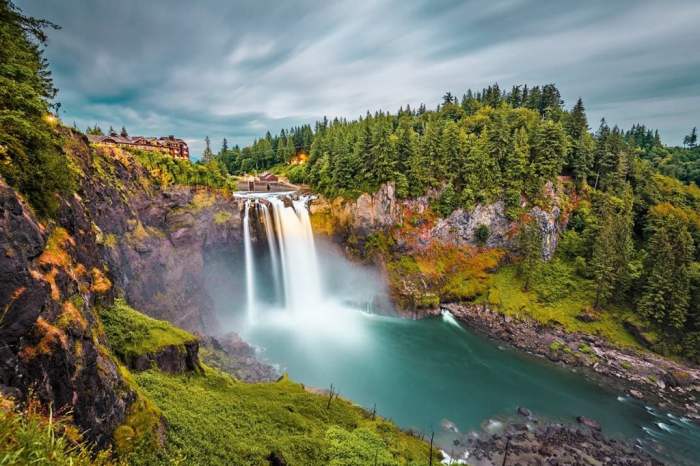
Securing affordable flights is crucial for exploring hidden travel destinations. This section Artikels several websites, apps, and techniques to help you find and book the best flight prices, transforming your travel dreams into reality. We will explore practical strategies, from flexible date searches to leveraging loyalty programs, enabling you to significantly reduce your travel costs.Finding the lowest airfares often involves a bit of strategic planning and savvy use of available tools.
The key is to be flexible and persistent in your search.
Websites and Apps for Flight Deals, Hidden travel destinations
Several websites and apps specialize in aggregating flight deals and offering discounts. Utilizing these resources significantly increases your chances of finding affordable flights.
- Google Flights: Google Flights is a powerful search engine that allows you to explore various flight options, track price changes, and utilize flexible date search features.
- Skyscanner: Skyscanner is another popular flight comparison website known for its comprehensive search capabilities and ability to find hidden deals.
- Kayak: Kayak compares prices from multiple airlines and travel agencies, offering a broad overview of available options.
- Momondo: Momondo is a metasearch engine that searches across a vast network of airlines and travel agencies, often uncovering less-advertised deals.
- Hopper: Hopper uses predictive analytics to forecast flight prices, allowing you to determine the optimal time to book for the best fares.
Techniques for Finding the Best Flight Prices
Effective flight searching involves more than simply inputting your desired dates and destinations. Employing specific techniques can dramatically improve your chances of securing a low fare.
Flexible Date Searches: Instead of focusing on specific dates, experiment with flexible date searches. Many flight comparison websites allow you to search for flights within a range of dates, often revealing significantly cheaper options on less popular travel days. For example, flying mid-week or during the shoulder season (the periods before and after peak tourist seasons) usually yields better prices.
Price Comparison Tools: Utilize multiple flight comparison websites simultaneously. Different sites may highlight different deals, as their algorithms and partnerships vary. Comparing prices across several platforms ensures you don’t miss any hidden bargains. Consider using incognito mode on your browser to prevent websites from tracking your searches and potentially inflating prices.
Strategies for Securing Affordable Flights
Beyond using comparison websites and flexible searches, several strategies can help secure significantly cheaper flights.
Loyalty Programs: Joining airline loyalty programs can provide numerous benefits, including earning miles or points that can be redeemed for free or discounted flights. Accumulating points over time can significantly reduce your travel expenses. Some programs also offer perks such as priority boarding and access to airport lounges.
Travel Hacking Methods: Travel hacking involves strategically using credit cards, loyalty programs, and other techniques to maximize travel rewards and minimize expenses. This might involve earning bonus points through credit card spending or strategically booking flights and hotels to earn more points. While this requires more effort and planning, it can lead to substantial savings. For example, using a credit card that offers bonus miles on airfare purchases can help you accumulate points faster, potentially covering a significant portion of your next flight.
Ultimately, the pursuit of hidden travel destinations is a journey of discovery, both of the world and of oneself. By embracing unconventional routes and seeking out authentic experiences, travelers can create unforgettable memories and contribute positively to the preservation of these unique places. The thrill of uncovering a hidden gem, the satisfaction of independent exploration, and the enriching immersion in local cultures are rewards that far outweigh the extra effort involved in planning such a trip.
So, pack your bags, embrace the unknown, and embark on your adventure!
General Inquiries
What constitutes a “hidden” travel destination?
A hidden travel destination is typically a location less impacted by mass tourism, offering a more authentic and less crowded experience. It might lack extensive tourist infrastructure but still provides opportunities for exploration and cultural immersion.
How can I ensure the safety of my trip to a hidden destination?
Thorough research is key. Check travel advisories, share your itinerary with someone, inform yourself about local customs and laws, and prioritize reputable transportation and accommodation options.
What are the environmental considerations when visiting hidden destinations?
Practice responsible tourism. Leave no trace, respect local ecosystems, support local businesses that prioritize sustainability, and be mindful of your impact on the environment.
Are hidden destinations suitable for families with children?
It depends on the specific destination and your family’s preferences. Some hidden destinations are perfectly family-friendly, offering natural beauty and outdoor activities. However, research is crucial to ensure the location is suitable for children’s ages and needs.


